
UK and Ireland Secondhand Booksellers Raise Concerns Over AI-Driven Bulk Orders

Unusual Bulk Orders Raise Concerns Among Secondhand Booksellers
Booksellers across the UK and Ireland are observing a surge in large, varied orders from anonymous purchasers, prompting speculation that AI companies might be stockpiling books for data acquisition purposes. These unusual transactions have been reported not only locally, but also from buyers in the US, Canada, and various parts of Europe.
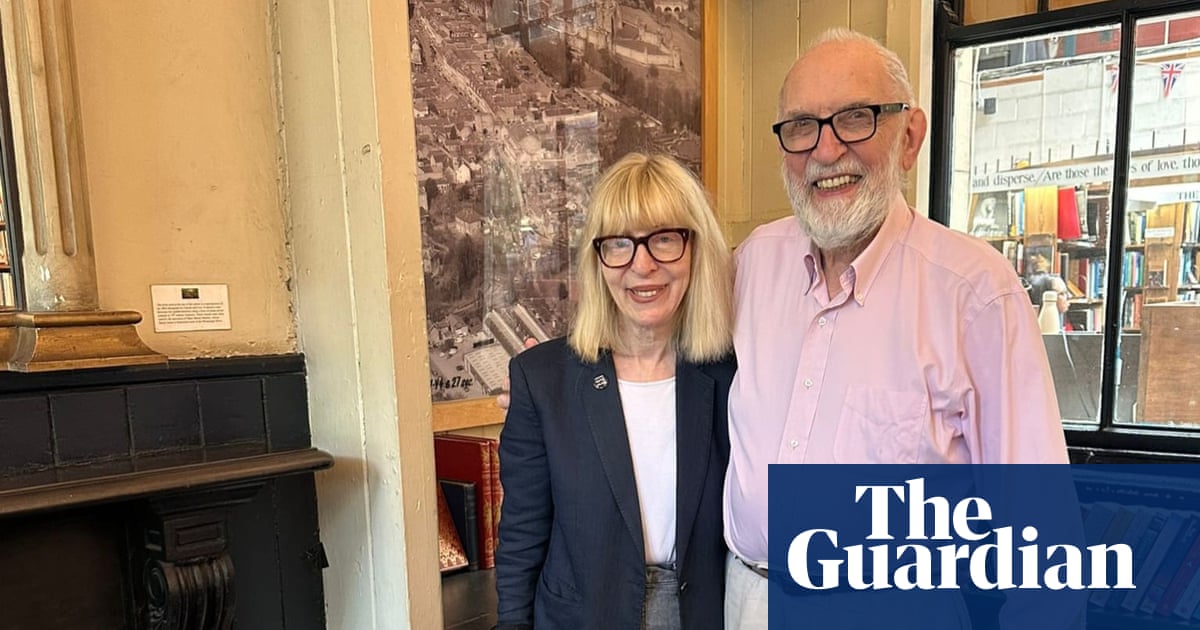
Stuart Manley, co-owner of Barter Books in Alnwick, noted that such orders have been arriving over the past three months and deviate from the expected thematic organization typical in book sales. “It’s definitely a strange combination of books,” he remarked, citing a recent request that included an Estonian translation of John le Carré’s The Mission Song and a specific edition of Anne Brontë’s Agnes Grey.
Other booksellers, like Jim Shaughnessy of MW Books in Claregalway, Ireland, corroborated this trend, describing the orders as sporadic and varied. Shaughnessy expressed intrigue at the odd selections, which ranged from books on 18th-century African agricultural implements to biographies of racing drivers from the 1950s.
David Gower-Spence, owner of BookLovers of Bath, reported a significant influx of about 200 books ordered by clients also mentioned by his peers. One noteworthy buyer, Zoom Books, a Canada-based company known for being a leading book recycling firm, has also been cited in previous media reports. Gower-Spence said, “It was overwhelming for a while and I’m relatively well organised.”
Offering an anonymous perspective, a UK-based secondhand bookseller explained that some orders arrive from multiple buyers yet share a common delivery address. This has raised questions about the identities behind these transactions. In one instance, a delivery postcode linked to various orders led investigators to freight warehouses near Heathrow Airport.
This bookseller, who has sold approximately 6,000 books for thousands of pounds since January, noted that the buyers have been paying full price, eschewing discounts despite their bulk orders. “It’s disrupting the secondhand bookselling business,” they said, emphasizing the atypical nature of these purchases which seem disconnected from broader market trends.
Reports have emerged that secondhand booksellers in Australia have experienced similar bursts of activity. The demand in these regions has led to comments about the perplexing scope of orders, with some expressing frustration over the impact on their operations.
The recent surge in these orders has led to widespread speculation that AI companies are accumulating books to digitize their contents before recycling them. Manley conjectured, “My theory is that it’s masses and masses of AI money being squandered.”
Earlier this year, a report by The Washington Post disclosed that Anthropic, a prominent AI company, has been investing heavily in acquiring books for their training datasets, even slicing off spines to facilitate scanning.
While Anthropic clarified that they do not target rare or antiquarian books for destruction, industry insiders acknowledge that acquiring books published prior to 2022 could significantly enrich training data for models like Claude.
AI tools, including chatbots, require vast stores of data to refine their outputs, which has prompted companies to look for fresh material sources, particularly from secondhand books that are less accessible online.
In various online forums, booksellers have expressed concern over the fate of these books, with some fearing that many may end up pulped after serving AI training purposes. Posts have questioned the rationale behind ordering widely available works, indicating a complex interplay between AI demands and traditional bookselling.
Orders typically get placed through platforms such as Biblio and the Amazon-owned AbeBooks, which have been approached for further insights into these developments.
Editor’s Take
The rise in bulk book orders for AI training raises significant concerns about the ethical implications of data sourcing in the AI industry. As companies seek to enhance their models with varied texts, the fate of these books—especially rare editions—is increasingly precarious. This situation highlights the need for clearer policies on how AI companies acquire and utilize literary works, urging a balance between innovation and preservation.
Source: www.theguardian.com