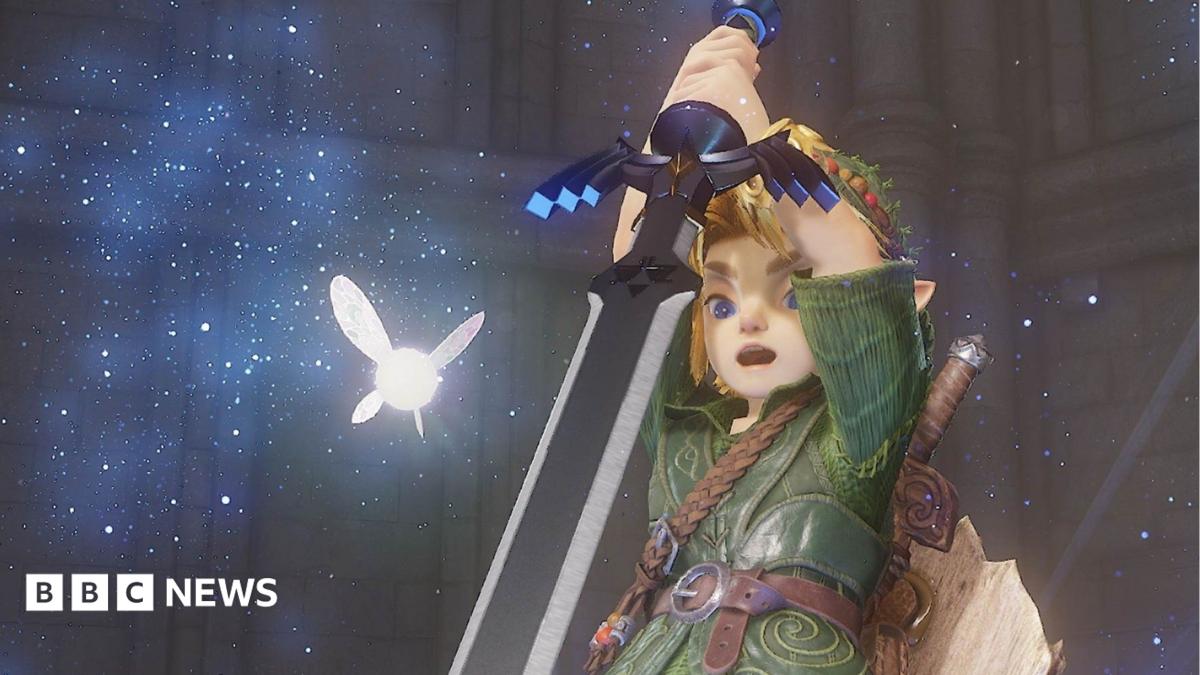

Video games have an uncanny ability to evoke nostalgia, a sentiment that extends beyond mere gameplay. Doran, an instructor of an esports course at Rowan University in New Jersey, reflects on the enchantment of the original Ocarina of Time, released in 1998. She hopes to not only relive that magic but also share it with her sister’s children.
The gaming industry has consistently relied on remakes to capture the interest of new generations. Iconic titles like Mario Kart and the Final Fantasy series, along with classics like Pac-Man, repeatedly resurface, enhanced by advancing technology that offers richer graphics and broader game worlds.
While the emotional appeal of nostalgia is a powerful draw for many, releasing remakes can be a double-edged sword. Gamers often hold a deep attachment to their cherished titles, and new iterations can sometimes fall short of the lofty expectations set by devoted fans.
Nostalgia carries both positive and bittersweet emotions, according to Tim Wulf from the Centre of Advanced Internet Studies in Bochum, Germany. It brings joy in remembering significant moments, yet also a sense of loss as those times are irrevocably in the past.
“Nostalgia is a social emotion because our cherished memories are intertwined with relationships,” explains Wulf. He notes that it can enhance self-esteem and reinforce important social connections.
Video games excel at sparking nostalgia, as they allow players to revisit familiar environments. In essence, games function as emotional time machines, providing a comforting sense of stability amid the rapid changes of modern life.
Doran emphasizes the rewarding experience of returning to beloved games, where familiar skills come back into play. There’s comfort in the resurgence of past competencies, making players feel as though they are triumphing yet again, just as they did in their earlier gaming days.
Editor’s Take
This trend in gaming speaks volumes about the intersection of memory and technology. As developers lean into nostalgia, it not only taps into an emotional reservoir for players but also highlights the evolving relationship between past experiences and modern innovations. For users, this could enhance engagement and community bonds. For developers, understanding this dynamic can drive innovation in game design and storytelling.
Source: www.bbc.co.uk