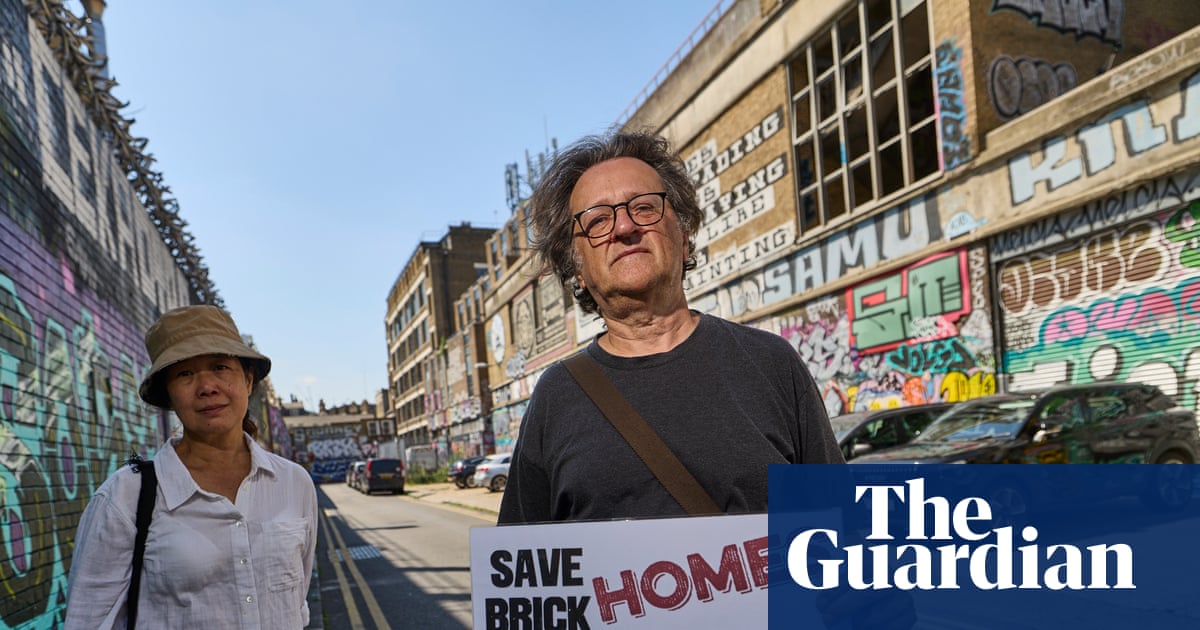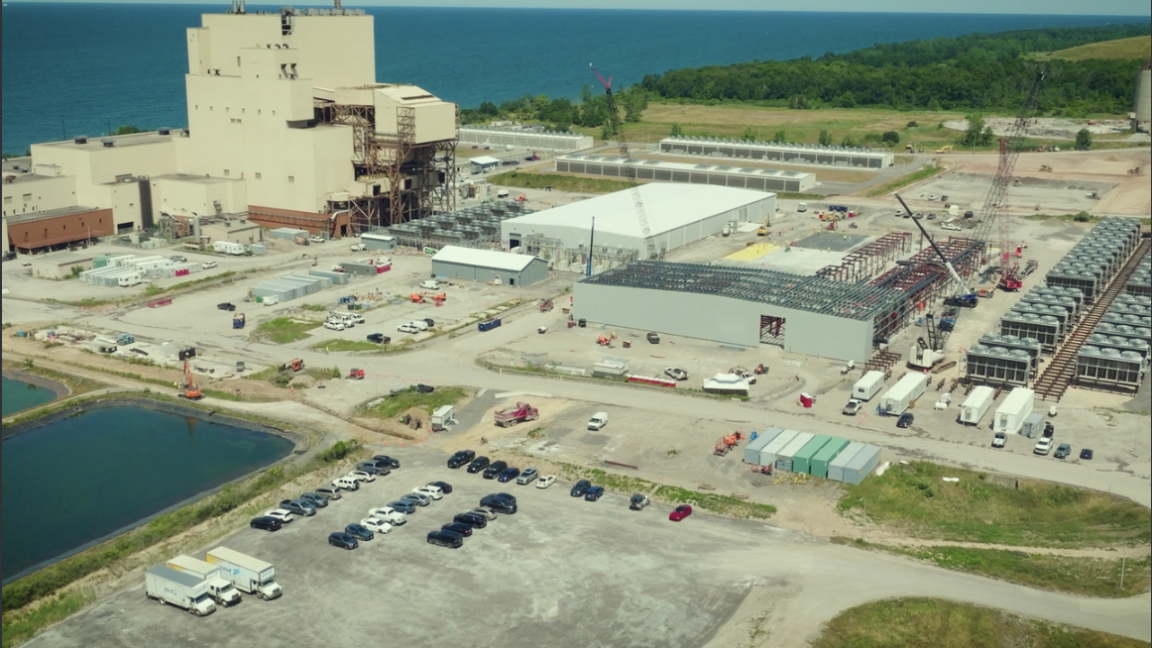

TeraWulf has faced scrutiny from Public Citizen regarding its lack of engagement with the community surrounding its facility in Maryland. When pressed to commit to public meetings, the company asserted that it has no obligation to do so under current regulations.
“We’ve got them on record saying FERC [Federal Energy Regulatory Commission] rules don’t obligate us to meet in person with the community, so we’re not going to,” stated Slocum, highlighting a troubling trend in accountability that has been noted at various levels of the data center sector.
Legislative Developments
In June, the New York State Legislature enacted the Responsible Data Center Development Act. This comprehensive bill aims to address the significant energy and environmental impacts of data centers. Key provisions include an environmental impact assessment by the Department of Environmental Conservation, enforced energy efficiency guidelines, prevailing wage standards for construction, a transition to renewable energy by 2040, and mandated investments for local communities impacted by data centers. There is also a one-year moratorium on new permits for facilities consuming 20 megawatts or more.
Despite the legislative progress, the bill has not yet been signed into law. Following its passage, Governor Hochul issued a narrower executive order imposing a one-year moratorium specifically on permits for hyperscale data centers. However, this order does not impact the already approved 500-megawatt expansion at Lake Mariner, which predates the executive action.
“The executive order is a good starting point and a step in the right direction, but the legislation provides a more holistic approach,” remarked Assemblyman Patrick Carroll, a co-sponsor of the bill, during a rally in Rockland County that urged the governor to finalize the legislation.
In Somerset, issues concerning the water supply—highlighted by the need for firefighters to transport water supplies during a recent incident—remain unresolved, even as construction activities continue unabated.
“If there’s no hydrant for me,” Matisz stated, “that fire is going to burn under their asses,” pointing out the urgent need for proper infrastructure in the area.
Editor’s Take
The ongoing challenges surrounding accountability in the data center sector underscore a critical need for robust regulations. As technology continues to advance, the intersection of community needs and corporate responsibility becomes increasingly vital. For users and businesses alike, these developments could lead to enhanced scrutiny and pressure for sustainable practices—an essential step for the future of the AI industry.
Source: arstechnica.com