

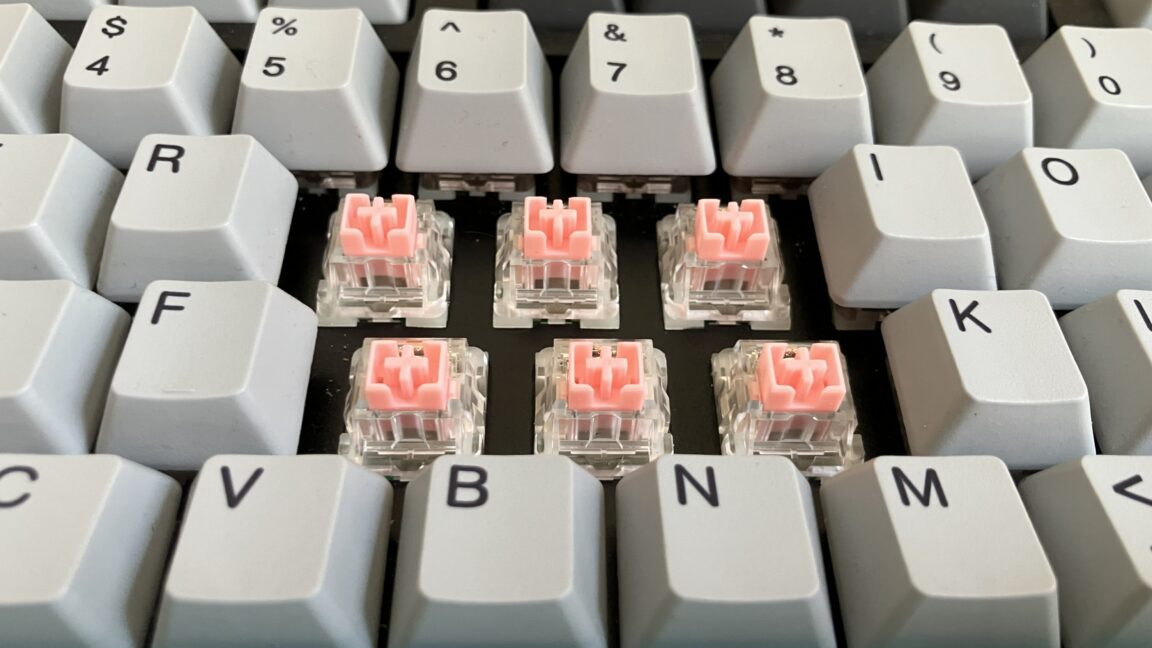

The landscape of keyboards has evolved beyond traditional mechanical designs. In recent years, innovations such as optical and Hall-effect switches have gained prominence, frequently at higher price points than conventional mechanical options. These “contactless” technologies claim various theoretical benefits, particularly for gamers, although the practical differences in everyday usage often remain subtle.
This article delves into the mechanics of these new switches, explores the reasons behind their rising popularity, and assesses their genuine benefits and drawbacks.
Understanding Traditional Mechanical Switches
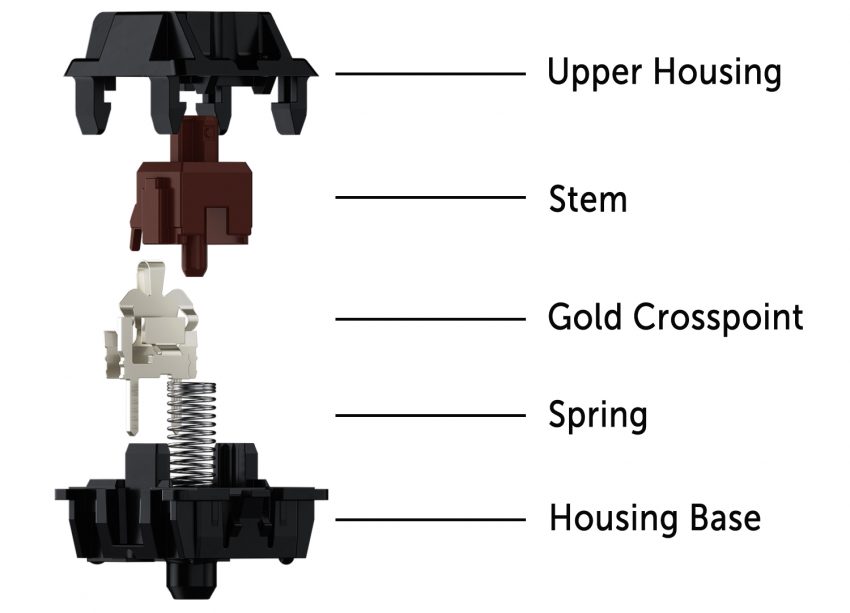
To comprehend modern developments, it is essential to revisit the basic functioning of traditional mechanical switches. A typical example is the Cherry MX Brown switch, where pressing a key causes its plastic stem to move downward. This movement compresses a spring that returns the stem to its initial position upon release.
At rest, a part of the stem prevents the two metal leaves from contacting each other. Pressing the key allows these leaves to touch, completing a circuit on the keyboard’s PCB (printed circuit board), which then communicates the keystroke to the computer.
However, traditional switches can wear out over time due to their reliance on physical contact.
The Shift to New Switch Technologies
Modern switches are proving different from their mechanical predecessors as they do not rely on contact between metal components to register input. This “contactless” approach is spearheaded by technologies that promise increased durability. Manufacturers claim that these switches can endure longer usage, as they are less affected by oxidation or corrosion that can plague traditional models over extended periods.
Editor’s Take
The emergence of contactless switches signifies an important shift in keyboard technology. For users who seek durability and responsiveness, these innovations could lead to enhanced gaming and typing experiences. As manufacturers continue to invest in this technology, it could reshape user expectations and drive further advancements in the keyboard market.
Source: arstechnica.com