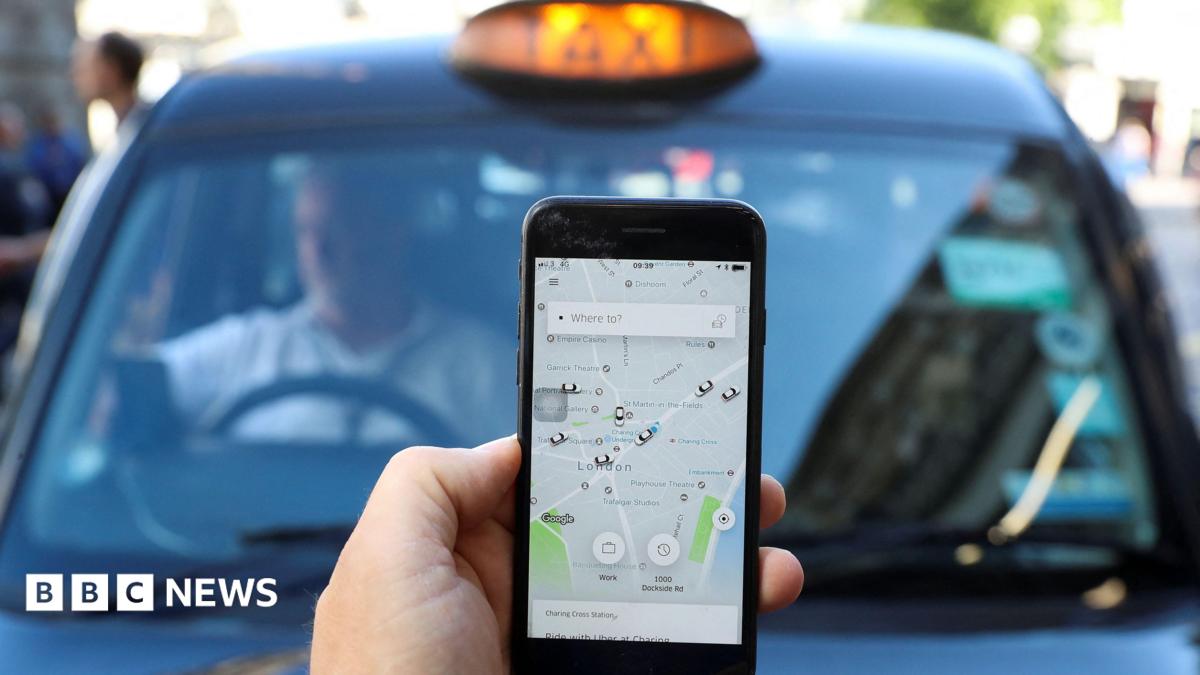

Uber has successfully disposed of a substantial legal challenge amounting to approximately £340 million, brought forth by a cohort of London black cab drivers and two now-defunct private hire companies.
The claimants accused the ride-sharing giant of providing Transport for London (TfL) with misleading information during its initial licensing application in 2012. However, a High Court judge determined that the claims were filed beyond the allowable timeframe, choosing to dismiss them without addressing the veracity of the allegations.
In response to the court’s decision, Uber expressed satisfaction that the cases were thrown out at the earliest stage possible, reiterating its denial of the claims.
Approximately 13,000 drivers were seeking nearly £200 million in damages, while two private hire firms, Kabbie and Iride, aimed to claim around £140 million. Both companies have since ceased operations.
The lawsuits were initiated in 2024, with Uber arguing that they exceeded the six-year statute of limitations for such claims.
In his written ruling, Mr. Justice Birt noted that the claimants should have been able to uncover the alleged wrongdoing prior to 2018.
RGL Management, the firm representing the claimants, expressed disappointment over the ruling and is currently deliberating their next legal steps.
Since receiving its operating license, Uber has significantly eroded the market share traditionally held by black cab services.
Looking forward, the company is set to confront another legal battle next week, this time against HM Revenue and Customs regarding a tax dispute exceeding £1 billion.
Editor’s Take
This ruling marks a significant moment for Uber as it navigates legal challenges that impact its operations in the UK. For drivers and private hire firms, the dismissal of these claims could underscore the ongoing struggles within the competitive landscape of ride-sharing. As future cases unfold, particularly the looming tax dispute, the outcomes may set critical precedents that will affect regulatory frameworks and market dynamics in the mobility sector.
Source: www.bbc.co.uk