Traders Bet £7bn Against Pound Ahead of John Healey’s First Budget and No-Confidence Vote

Speculative investment against the British pound has surged to £7 billion as Chancellor John Healey prepares for his first Budget. This significant movement has drawn stern criticism from the Conservative Party, who have labeled it a clear sign of mistrust in the Labour Party‘s economic strategies.
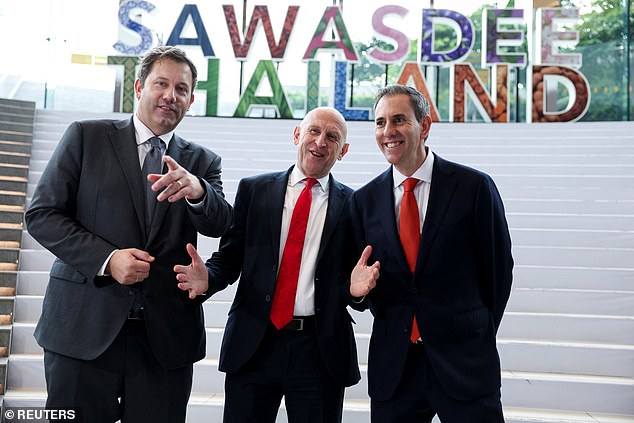
The latest trading data reveals that this is the largest bet against sterling in almost a decade, coinciding with Healey‘s recent rebuke by the International Monetary Fund (IMF). The IMF chastised the Chancellor during a meeting in Thailand for contemplating a windfall tax on banks instead of pursuing reductions in welfare expenditures.
Banking leaders have cautioned that such a move could lead to increased interest rates on both mortgages and business loans, which in turn might stifle lending and investment opportunities.
The financial markets are closely monitoring Healey’s actions as he attempts to stabilize the struggling public finances while adhering to the rule that day-to-day spending must be funded through taxation rather than accruing further debt.
Recent trends show that government borrowing costs have reached a 28-year high, exacerbated by a global sell-off in the bond market, and restricting Healey’s financial flexibility.
While currency markets remain relatively stable, the pound has been fluctuating around $1.33. However, hedge funds and currency traders have increased their positions against sterling—marking the most prolonged attack on the currency since the aftermath of Brexit.

Chancellor John Healey faced criticism from the IMF regarding his proposed tax adjustments on banks.
According to figures from the Commodity Futures Trading Commission, last week saw £6.6 billion worth of sell orders for sterling—a level not seen since March 2017. Andrew Griffith, the Tory Shadow Chancellor, articulated concerns over this situation, labeling it a ‘vote of no confidence in Andy Burnham’s Britain’ and suggesting that investors are making decisive moves based on skepticism towards Labour’s economic guidelines.
Investor sentiment regarding the pound has dipped below levels observed post-Liz Truss’s mini-budget in 2022. Moreover, current interest obligations on the government’s £3 trillion debt are notably steeper than during the previous Conservative administration.
A declining pound could enhance export competitiveness, yet it also risks escalating holiday costs abroad and pushing inflation higher by increasing import prices.
Notably, the Bank of England has yet to raise interest rates to combat inflation, particularly due to the ongoing conflict in Iran, which has diminished the pound’s attractiveness compared to other currencies.
In addition to potential actions against bank profits, the Chancellor is also contemplating an increase in capital gains tax for sales of assets like buy-to-let properties or businesses. Analysts warn that leaning heavily on capital gains tax may exacerbate fiscal challenges and risk further damage to growth, with extensive borrowing likely elevating servicing costs and negatively impacting the pound.
The Treasury has yet to provide a comment on these developments.
Editor’s Take
This situation underscores a crucial juncture for the UK economy. The growing skepticism among investors reflects deeper concerns regarding fiscal policies and the impact of proposed taxation strategies. As the Chancellor navigates these turbulent waters, the implications could reverberate across various sectors, particularly finance and trade, and challenge the stability of the pound.
Source: www.dailymail.com