
Elon Musk Unveils Tesla Roadster with Aerodynamic Feats
At a demonstration event in Waco, Texas, Tesla showcased its upcoming next-generation Roadster, thrilling attendees with eye-catching stunts that included the vehicle driving upside down and flying for short distances. The electric supercar reportedly achieved a staggering acceleration of 0 to 60 mph in less than one second, presenting a jaw-dropping display of automotive engineering.
The presentation lasted under 30 minutes and felt akin to a spectacle rather than a traditional product launch. Notably absent were essential details such as pricing, model variants, and release dates. Despite Elon Musk’s proclamation that the vehicle would enter production by 2028, many viewers seemed more captivated by its flying capabilities than logistical specifics.
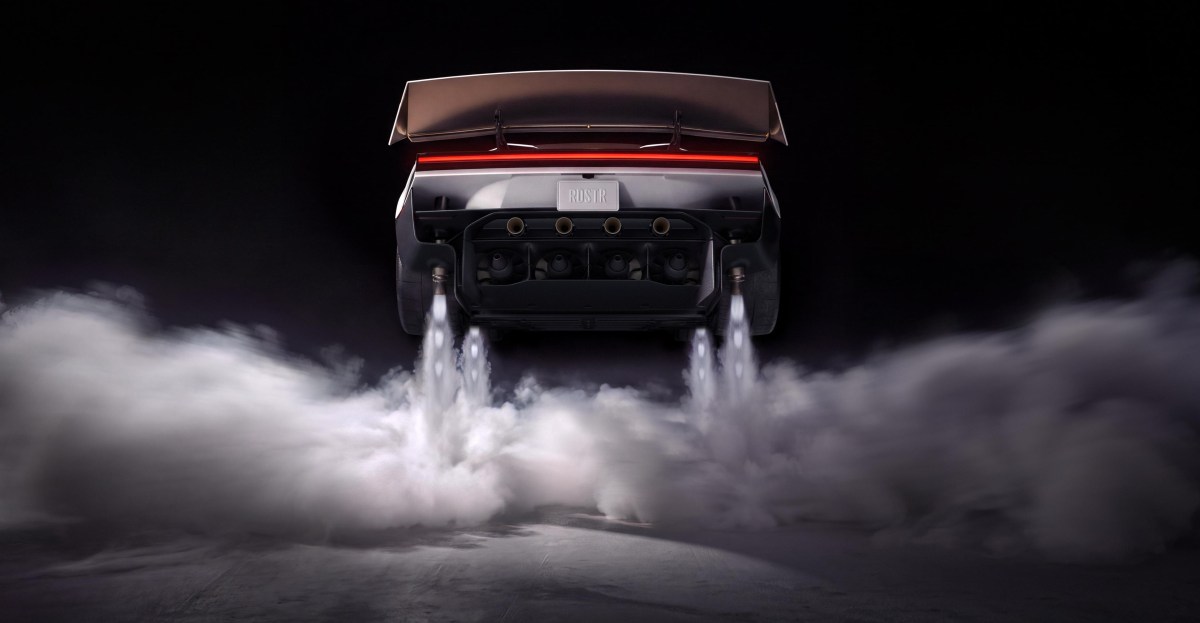
Demonstrating its advanced engineering, the Roadster ascended an impressive multi-story ramp, utilizing its unique downforce to maintain traction on the vertical incline. At the peak, the vehicle utilized cold-gas thrusters to elegantly maneuver back down. The car is equipped with a fan-based suction system, reportedly developed with assistance from SpaceX, capable of generating up to two Gs of suction force.
Following this climb, the Roadster performed a dramatic aerial leap over the rest of Tesla’s current vehicle lineup, which includes models such as the Model 3, Model Y, and Cybertruck. According to Tesla VP for Engineering Lars Moravy, the car executed a move reminiscent of a “kick flip.” Musk emphasized that the Roadster is outfitted with attitude-control thrusters in addition to main thrusters located at the rear, granting it rocket-like capabilities.
“It can essentially fly like a rocket,” Musk stated. “It could perform rolls and even execute wild aerial maneuvers.” However, he cautioned that this version of the Roadster is not designed with safety as a priority, suggesting it offers maximum thrill rather than safety.
The Roadster boasts two ultra-high-pressure air tanks with a capacity of 600 liters, housing approximately 250 kilograms of air. It employs 10 nozzles for various maneuvers and can recharge its own air supply without needing specialized propellants, harnessing stored compressed air for thrust.
Despite Musk’s assertions that this vehicle could eventually operate on public roads, the regulatory hurdles to satisfy authorities such as the Federal Aviation Administration and the National Highway Traffic Safety Administration seem steep. The promised production timeline of 2028 is also met with skepticism, given past delays in delivering the original Roadster model.
The latest iteration of the Roadster is labeled by Musk as “the last best driver’s car.” Drawing inspiration from aerospace technology, it features a sleek two-seater design, integrate controls using steer-by-wire technology, and includes a retractable rear wing to enhance downforce. The vehicle’s acceleration was demonstrated at a remarkable 0.81 seconds for the 0 to 60 mph sprint, with expectations for future versions to improve upon this metric.
Initially announced as a surprise during the 2017 Tesla Semi presentation, the Roadster’s ambitious specifications — such as a top speed exceeding 250 mph and a range of 620 miles — seemed outlandish at the time. Early buyers placed deposits, but over the years, the project appeared to stagnate as Tesla shifted focus to more mainstream offerings.
With the delay in the Roadster’s market entry, competitors like Rimac have gained traction, showcasing their capabilities with vehicles like the Nevera. While the Roadster aims to reclaim its title, it faces a more competitive landscape than originally anticipated.
Editor’s Take
The unveiling of the innovative Tesla Roadster signifies not only a technological leap but also a bold statement from Musk amid increasing competition in the electric hypercar market. This could redefine performance standards and push other manufacturers to innovate faster, benefiting consumers in the long run.
Source: www.theverge.com