

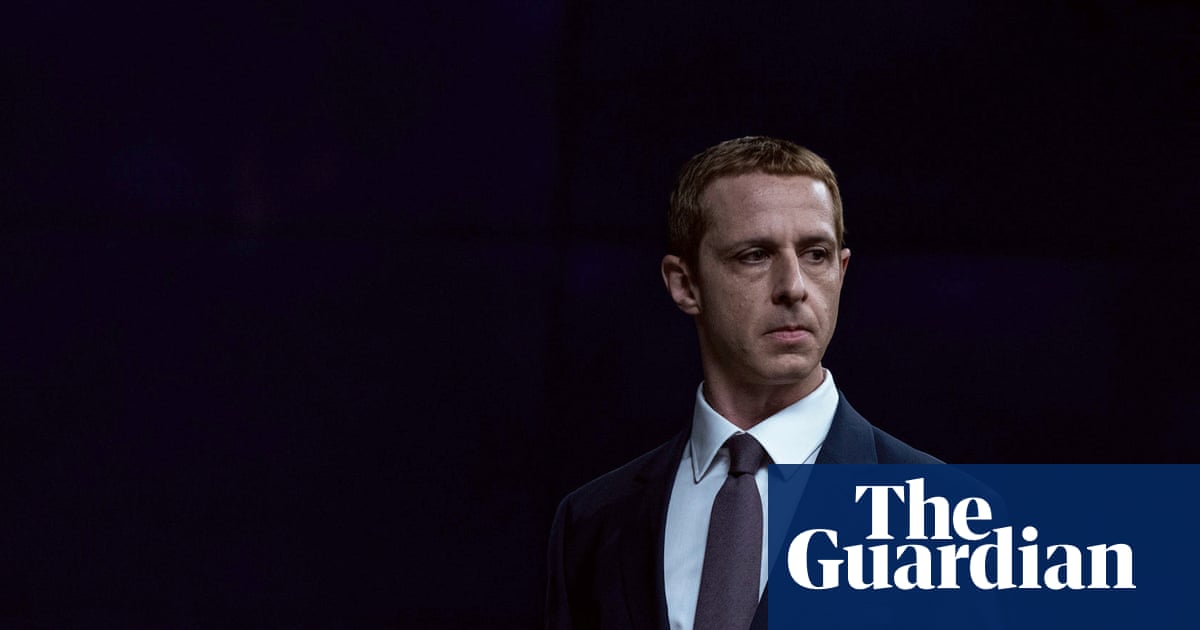

Mark Zuckerberg once hosted a company screening of The Social Network, deeming it “fun.” However, it’s unlikely that any similar corporate bonding will occur with the new sequel, The Social Reckoning.
The original film painted a mixed picture of Zuckerberg and Facebook, who described it later as “hurtful.” At that time, Zuckerberg was celebrated as an ambitious innovator, leading Facebook to 500 million users and a valuation of $25 billion. In stark contrast, today’s metrics show Meta boasts 3.6 billion users and a staggering valuation of $1.8 trillion.
As The Social Reckoning unfolds, it shifts the narrative, presenting both Zuckerberg and his enterprise as the new corporate antagonists. This theme of villainy resonates with audiences, especially amidst the backdrop of recent portrayals in upcoming films. The drama Artificial, featuring OpenAI CEO Sam Altman, is said to depict him unfavorably, while Elon Musk appears as himself in Musk, a documentary about the world’s first trillionaire.
Technology ties these stories together, but the focus on the negative representations of their leaders is notable. Once, cinematic villains donned criminal personas; now, tech leaders have become the modern-day equivalents of dark characters.
In The Social Reckoning, actor Jeremy Strong, who plays Zuckerberg, portrays a character that feels more rigid and aloof than the previous depiction by Jesse Eisenberg. Strong’s portrayal embodies the contemporary image of a CEO in a massive corporation, one that aligns with sentiments from former Meta employees who describe Zuckerberg as “unemotional” in high-stakes meetings.
Shifts in public sentiment regarding Facebook intensified following the Cambridge Analytica scandal and Frances Haugen’s whistleblower revelations, which raised serious questions about user privacy and data exploitation. By the time of a recent investigation into the unfortunate death of British teenager Molly Russell, who was impacted by harmful content on Instagram, regulatory changes were seen as unavoidable.
The atmosphere cultivated by The Social Reckoning reflects this public distrust, underscored by screenings in the UK that feature an advertisement for an online safety charity initiated by Russell’s family, which ominously states, “Instagram helped kill my daughter.” While Meta claims to be enhancing platform security, such assurances face skepticism.
During the film, Strong’s Zuckerberg declares that “the debate is over,” suggesting a stark realization: in a world increasingly skeptical of corporate motives, Meta finds itself on the unfavorable side of the dialogue.
Editor’s Take
The evolving portrayal of tech leaders in cinema reflects societal anxieties about their influence. As public scrutiny intensifies, businesses must consider their ethical responsibilities regarding user data and safety. This trend could pressure tech companies to adopt more transparent practices, ultimately reshaping consumer trust and industry standards.
Source: www.theguardian.com