
Supermarkets across at least seven European nations are grappling with significant disruptions after reports surfaced of refrigerator and freezer temperatures spiking to as high as 50°C (122°F). This alarming trend follows a major cyber-attack in France last month, which inflicted millions of euros in damages.
Retail giants from Belgium, Estonia, Ireland, Finland, Luxembourg, the Netherlands, and Sweden faced technical challenges on Monday, leading several organizations to disclose that they had fallen victim to hacking incidents.
Christophe Hansen, the European Union’s food and agriculture commissioner, expressed deep concern about these repeated cyber threats. He characterized them as “a deliberate attempt to disrupt our food supply chain and undermine consumer confidence.”
The recent disturbances echo a severe attack in France that targeted cooling units at roughly 700 supermarkets. The attack reportedly caused temperature surges leading to fires and massive food spoilage, culminating in losses estimated at tens of millions of euros.
As a wider array of devices, including refrigeration systems, become accessible through digital monitoring and control, experts warn that state-sponsored hybrid attacks could become more prevalent, particularly in light of geopolitical tensions following Russia’s invasion of Ukraine in 2022.
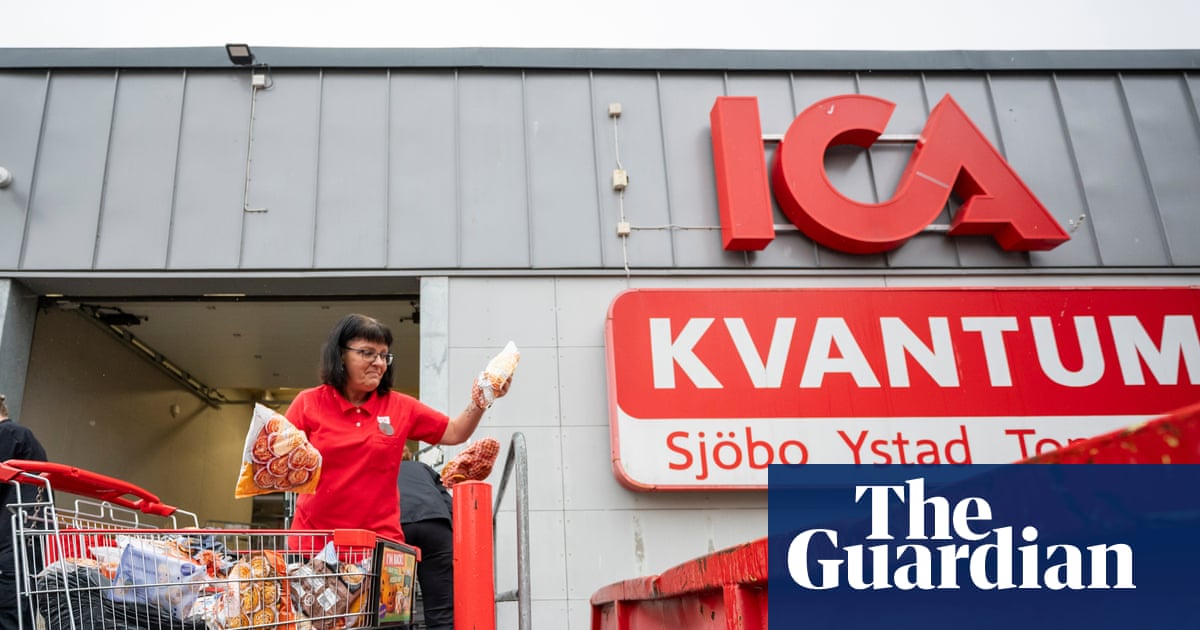
In Sweden, the Coop chain reported that six of its shops had been compromised, while ICA acknowledged that a limited number of its outlets experienced disruptions impacting refrigeration systems. One affected location in Sjöbo noted that its refrigerators had been hacked, with temperatures set to 50°C, and another in Stockholm reported complete freezer failure due to a cyber-attack at 2 AM.
John Billow, head of the national cybersecurity center, confirmed ongoing investigations into the incidents, mentioning considerable vulnerabilities associated with operational technology devices that require urgent updates.
In response to similar disruptions last month, Ahold Delhaize reported impacts on refrigeration in several of its supermarkets within Belgium and Luxembourg. News coverage from a location near Brussels highlighted empty refrigerators with signs explaining the cyber-attacks.
Despite the chaos, a spokesperson for Ahold Delhaize assured that distribution centers remain functional and that deliveries continue as scheduled. Multiple supermarket chains in Belgium, including Colruyt and Intermarché, have also reported experiencing technical issues affecting numerous stores.
In total, multiple supermarket chains, including Carrefour, reported disruptions affecting around 15 of their 700 stores. The executive director of Sabcobel, which manages refrigeration systems for Delhaize, revealed the involvement of cyber-attacks and stated they had to switch many units to defrost mode.
As companies respond, Ikea also confirmed that a cyber-attack led to rising temperatures in freezers in one of its Belgium locations, prompting the removal of food items as a precaution.
Reports from Finland indicated that the Kesko supermarket chain was examining similar problems, while small shops in the Netherlands were also affected. In Estonia, attackers reportedly accessed a computer controlling refrigeration systems and raised temperatures significantly, though damage was managed swiftly.
In Ireland, SuperValu confirmed a cyber-incident affecting specific refrigeration systems in 13 of its 223 stores, resulting in the removal of affected products from shelves.
Experts emphasize that many cyber-attacks are driven either by extortion or political motives. However, given the absence of financial demands in these recent supermarket incidents, some analysts suspect sabotage may be at play.
Tom Hegel from the cybersecurity firm SentinelOne noted that retail chains are particularly vulnerable, operating vast networks of refrigeration controllers and related systems. This vulnerability is compounded by existing flaws in many devices, which remain unaddressed.
The findings from the French attack reveal the ease with which hackers can commandeer temperature controllers, thereby causing immense financial losses for retailers within a single night.
The Paris prosecutor’s office has initiated an investigation into the French incident, as government cybersecurity agencies continue to assess vulnerabilities across borders.
Editor’s Take
This wave of cyber-attacks on supermarket chains highlights the urgent need for enhanced cybersecurity measures in critical infrastructure. As retail operations increasingly rely on digital systems, the risks only intensify, impacting food security and consumer trust. Businesses must prioritize security protocols to safeguard against potential disruptions, whether the threats stem from individual hackers or state-sponsored operations.
Source: www.theguardian.com