Supreme Court Allows Trump to Investigate Noncitizens on Voter Rolls Using SS Data

The Supreme Court delivered a significant ruling on Friday, allowing states to utilize specific government data to confirm the citizenship of voters on electoral rolls. This decision is viewed as a notable win for President Donald Trump, who has been actively pursuing measures to address voter fraud.
Previously, lower courts had paused efforts initiated by the Trump administration that sought to permit states to leverage federal data, including social security numbers, to validate voter citizenship.
This landmark ruling arrives just 39 days before the highly anticipated midterm elections, amplifying its implications for voters and election integrity.
In an executive order issued in March, President Trump instructed the Department of Homeland Security and the Social Security Administration to develop systems enabling verification of citizenship and immigration status by state governments.
To facilitate this, the Department of Homeland Security revised the Systematic Alien Verification for Entitlements (SAVE) program, allowing local jurisdictions to access federal data for validating voter registration.
However, voting rights organizations contested this change, asserting that it infringes on federal privacy statutes, resulting in a legal challenge that momentarily halted the federal use of the modified system.
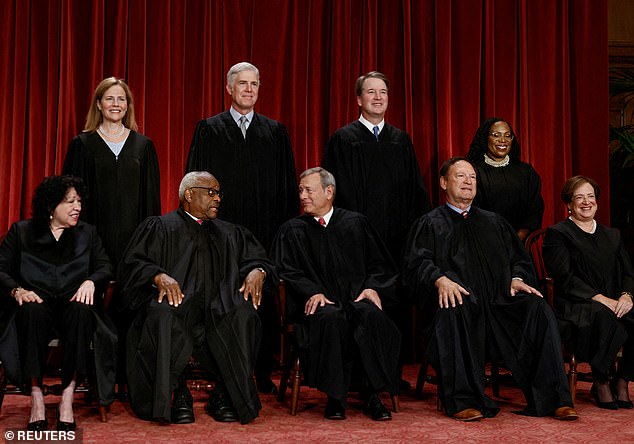
Justice Ketanji Brown Jackson, along with Justices Elena Kagan and Sonia Sotomayor, dissented from the ruling, emphasizing potential risks of disenfranchising legitimate voters.
In contrast, the majority opinion asserted that the federal government is obligated to assist state and local election authorities in verifying voter citizenship, framing this responsibility as essential to election integrity.
The ruling underscored a fundamental conflict, with dissenting justices warning that the burden on voters could outweigh any minimal inconvenience faced by the government in implementing its verification efforts.
Editor’s Take
This ruling carries significant ramifications for the electoral landscape in the U.S. By enabling states to verify voter citizenship through federal data, it raises questions about voter access and electoral integrity. The balance between preventing fraud and ensuring that legitimate voters are not disenfranchised will be crucial as we approach the midterm elections. Stakeholders in the AI and technology sector might observe how such legal frameworks evolve, particularly regarding data privacy and usage in public sectors.
Source: www.dailymail.com