
Stars Profit from New Harry Potter Series Despite Disagreeing with JK Rowling’s Trans Views

The phenomenon of Harry Potter first captured the public’s imagination at the turn of the millennium. During a transatlantic flight, it was surprising to see a nearby passenger, an adult woman, engrossed in what looked like a children’s book, barely lifting her gaze from its pages for the entire journey.
Since then, new releases have sparked long queues outside bookstores, with eager fans—both young and old—waiting overnight for the latest installment. The series has expanded hugely, now boasting over 600 million copies sold, eight feature films, seven flagship stores, and four theme parks worldwide, transforming into a multi-billion-dollar enterprise.
In my own experience, the magic of the Harry Potter universe has been intertwined with my children’s upbringing. My eldest daughter immersed herself in the series, reading all seven books multiple times while diligently waiting to watch the films until she finished each book. She collected every piece of memorabilia, from cloaks and hats to wands and spell books.
Under typical circumstances, my family would have been thrilled about the upcoming HBO TV adaptation set to debut on Christmas Day. The ambitious project aims to completely overhaul the iconic series with an entirely new cast. Unfortunately, due to recent controversies, we find ourselves hesitant about tuning in.
To comprehend the decline in enthusiasm, one can look to Nicholas Hoult stepping back from the role of Gilderoy Lockhart, citing scheduling conflicts amidst significant backlash from fans. His replacement, Kit Harington, known for his role as Jon Snow in Game of Thrones, has garnered support.
The backlash stemmed from concerns over JK Rowling’s well-documented views on gender, which have stirred considerable debate. Rowling has expressed controversial opinions that some label as transphobic, leading to a wave of criticism directed at those associated with the franchise.
Recent comments by actors have further complicated matters. For instance, Nick Frost, who portrays Hagrid, emphasized that his beliefs fundamentally contrast those of Rowling. This public stance highlights a growing trend within the industry where creatives distance themselves from the source material’s creator while promoting the fictional universe.
Director Kate Herron and filmmaker Ally Pankiw have openly declared their aversion to the series due to Rowling’s perspectives, showcasing an industry shift towards prioritizing social issues over artistic collaboration. This trend raises questions about the cost of artistic choices versus the alignment with prevailing social norms.
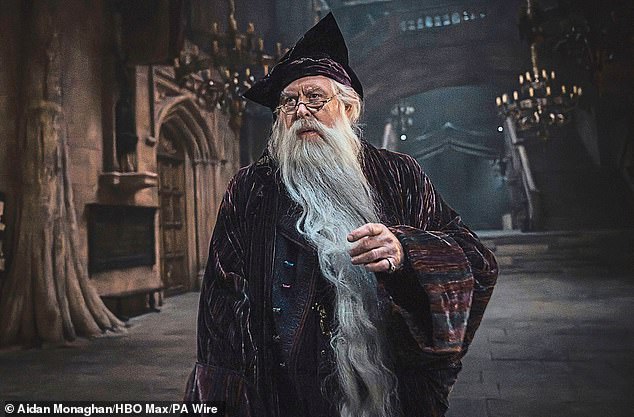
Meanwhile, John Lithgow, portraying Albus Dumbledore, has publicly wrestled with his involvement, expressing his discomfort with Rowling’s views while also grappling with the pressures that come with creative choices today. Other actors, including Bel Powley and Paapa Essiedu, have echoed similar sentiments, aiming to support the trans community while retaining their roles within the Potter universe.
Rowling has responded to these tensions with a degree of understanding, stating she wouldn’t take away anyone’s livelihood based on differing beliefs. Yet, the situation draws attention to the challenge artists face in expressing their viewpoints amidst a fervent public dialogue.
The original film actors—Daniel Radcliffe, Emma Watson, and Rupert Grint—have had their share of public fallout regarding their support for the trans community, which contrasts sharply with Rowling’s stance. These evolving dynamics highlight the complexities artists encounter in navigating personal beliefs, public reception, and legacy.
In a landscape where artistic opinions often echo certain community standards, the wider consequences could limit creative freedom. The cultural conversations around Harry Potter now provoke questions about who can safely engage with this beloved narrative, whether through books, adaptations, or personal conversations.
Editor’s Take
This situation exemplifies the delicate balance between creative expression and social responsibility in today’s entertainment industry. The backlash against JK Rowling signifies broader societal debates, revealing how public figures grapple with controversial perspectives while navigating their careers. For viewers and fans, this adds a layer of complexity to how they engage with the Harry Potter legacy moving forward.
Source: www.dailymail.com