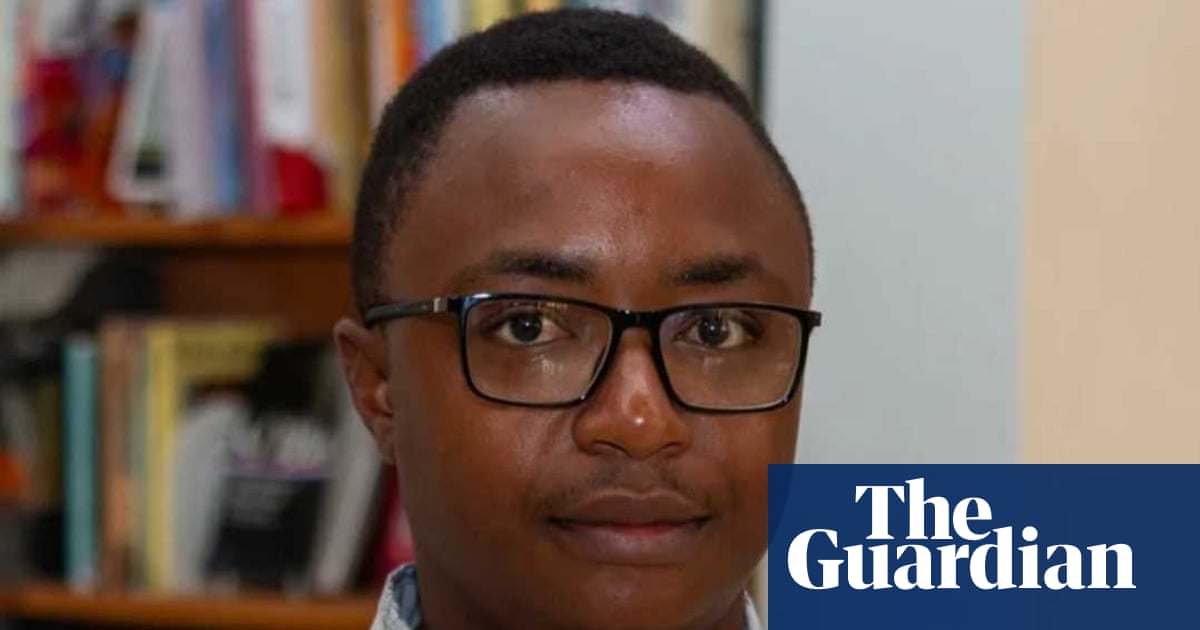

Simbarashe Kundizeza, a writer from Zimbabwe, has firmly refuted claims suggesting his award-winning short story was produced with the help of artificial intelligence. This response follows an article published by The Atlantic, which asserted that AI-detection software had categorized his story as largely AI-generated.
Kundizeza’s work, titled The Blue Fighter, was awarded the prestigious Caine Prize for African Writers on October 6. However, just five days later, journalist Vauhini Vara published her article, “Yet Another Literary Prize Winner Seems to Be AI,” raising questions about the story’s authenticity.
Vara revealed that she tested Kundizeza’s story using the Pangram AI-detection tool, which determined that the text appeared to be predominantly machine-generated, with the sole exception being a cited epigraph from an unpublished poem by South African writer Vangile Gantsho.
In her analysis, Vara expressed that the story exhibited numerous traits commonly associated with AI-generated writing, including repetitive sentence structures and clichéd metaphors. She remarked, “Taste is subjective, but trust me, this story is bad – maudlin and full of tired tropes.”
In response, Kundizeza took to X to clarify, “For the avoidance of doubt, I wrote ‘The Blue Fighter’. I did not use generative AI to write it. It is entirely my own work. I look forward to continuing to work with the Caine prize team, and to celebrating this recognition with the people who helped bring this story into the world. Most importantly, I will continue to write.”
Concerns about AI’s influence in literary circles are not new. Previously, Trinidadian writer Jamir Nazir faced similar scrutiny after winning the Commonwealth Foundation’s short story prize for The Serpent in the Grove, with critics alleging clear indicators of AI drafting. Moreover, Canadian-Haitian author Thélyson Orélien had his novel C’était Ça Ou Mourir removed from the longlist of France’s Goncourt prize following allegations of significant AI authorship.
The Caine Prize organization stated it is currently investigating the claims surrounding Kundizeza’s work. They affirmed, “When such claims are made, it is our responsibility to look into them. We aim to do this by taking a human-centered approach, ensuring that writers are supported and cared for during the process.”
In a discussion with BBC’s Front Row, Ellah Wakatama, chair of the Caine Prize, expressed skepticism about the reliability of AI-detection tools. “I’m not against AI, but I am against it being used as a final arbitral mechanism in this case, regardless of what The Atlantic says, because they have already proclaimed our winner to be a cheater without investigating it properly,” she stated.
Vara also contrasted Kundizeza’s recent writing style with a 2021 story of his, noting significant tonal and stylistic differences. Kundizeza, while addressing the scrutiny, remarked that suggesting a writer cannot evolve in their craft over time fundamentally misrepresents the art of writing.
While Vara referenced findings from Pangram’s own research indicating low rates of false positives, she acknowledged limited third-party studies validating the accuracy of AI detection technology.
Editor’s Take
This incident highlights the growing tensions between traditional writing and the influence of AI in literary fields. As concerns about authorship authenticity rise, these debates could reshape how literary awards assess submissions. For creators, understanding how AI tools are perceived becomes crucial in maintaining credibility in their work.
Source: www.theguardian.com