Siege of Palma: ISIS-Linked Terrorists Attack Mozambique Hotel with Foreign Guests

A Descent into Chaos: The Battle of Palma in Mozambique
The turmoil began sharply at 4 PM, as the unsettling sounds of gunfire pierced the tranquil afternoon in Palma, a picturesque town along Mozambique’s northern coast.
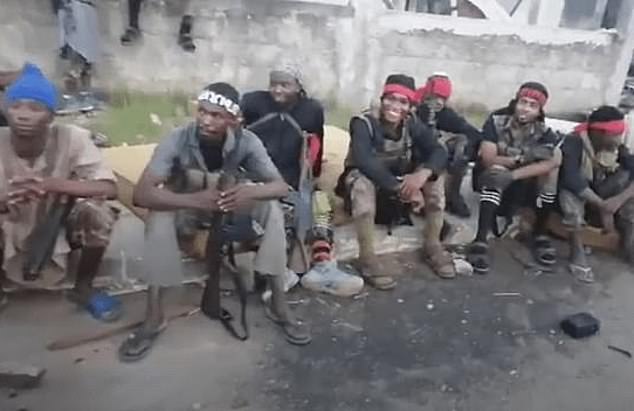
Militants with ties to ISIS launched their assault from multiple directions, overwhelming local security forces and creating pandemonium. Armed with an array of weapons including rocket launchers, rifles, and machetes, the attackers wreaked havoc, leaving behind a grim record of violence.
Just six miles from Palma stood a significant $20 billion gas project managed by the French energy company Total, which drew numerous foreign contractors, including many from the UK. In the face of the onslaught, people fled toward the Amarula Hotel, a fortified compound that transformed from a refuge for expatriates into a last line of defense against the armed insurgents.
The initial attack on the day of March 24, 2021, cascaded into a catastrophic five-day conflict resulting in hundreds of fatalities, including a British project manager named Philip Mawer, who was among those bravely resisting evacuation in favor of saving others.
Details unveiled during his inquest at Winchester Coroner’s Court highlighted his remarkable courage. Mawer refused to evacuate via airlift from the hotel, insisting that women and children should go first. The inquest also painted a harrowing picture of the volatile situation for those trapped inside the compound during the intense struggle.
On that fateful Wednesday, Amarula Hotel worker Eusebio Alves Pinto finished his shift to witness a crowd seeking safety. Upon learning of the gunfire, he instinctively joined the rush to the hotel.
The timing of the attack was particularly devastating. Palma was already home to thousands of refugees fleeing violence from other areas in Cabo Delgado, a province plagued by ongoing Islamist insurgencies.
Until March 24, the Amarula Hotel provided a sanctuary for foreign contractors, offering modern amenities amidst lush surroundings. Initially, the roughly 200 individuals inside communicated with family, but soon communication lines were severed, forcing them to signal for help using white fabric to spell out “HELP” in the courtyard.
On the other side of the hotel’s high walls were insurgents from a group locally dubbed Al-Shabaab, though they held no connections with the notorious Somali organization sharing the same name. One contractor described the surreal experience of listening to the battle unfold hour after hour.
By Thursday, conditions worsened as mortar shells struck near the hotel and gunfire intensified. The burden of defense shifted from the Mozambican military to a private security firm, Dyck Advisory Group (DAG), contracted to assist with security operations.
Despite the dire circumstances, DAG began helicopter evacuations, airlifting a handful of individuals from the hotel, including Philip Mawer, who valiantly opted to remain. By Friday morning, another chopper flew out hotel manager Timothy Roberts and his two German Shepherd dogs, a move that drew public criticism.
Desperation soon mounted, prompting around 170 remaining individuals to orchestrate a risky escape using 17 vehicles. Mawer, opting for a less armored option, joined the convoy which faced immediate gunfire as it rushed through the gates.
Tragically, Mawer was killed by an RPG during the ambush that claimed several others’ lives. Survivors expressed devastation in the wake of the violence, with family members mourning the loss of their loved ones.
As news of the ambush and failed escape reverberated, chaos erupted. Only a few vehicles managed to evade capture; others suffered casualties as they scattered into nearby forests and villages in a bid for safety.
The weeklong siege eventually subsided, but not before countless horrors were revealed, including the discovery of numerous victims in grim circumstances. While estimates remain unclear, more than a thousand individuals are believed to have been killed or abducted, with the majority being local civilians.
In the aftermath, TotalEnergies faced scrutiny for purportedly obstructing a rescue mission by the SAS and for failing to facilitate necessary evacuations. An inquest indicated that had the company supported evacuations effectively, many lives could have been spared.
Concluding the proceedings, coroner Jason Pegg stated he found no evidence indicating corporate responsibility for managing the evacuation, although he acknowledged Mawer’s leadership and selflessness during a crisis that unfolded unexpectedly.
Editor’s Take
This tragic incident underscores the complexities and dangers present in conflict zones, particularly involving foreign contractors. It raises critical questions about corporate responsibility for employee safety in volatile regions, emphasizing the need for well-defined evacuation protocols. As businesses navigate global operations, ensuring robust safety measures is paramount.
Source: www.dailymail.com