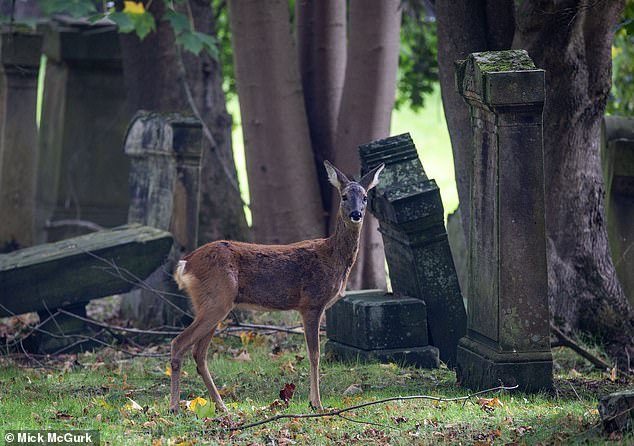

Authorities in Scotland are launching a new initiative to manage the burgeoning deer population within urban areas. Under the Central Belt Roe Deer Pilot Scheme, gamekeepers will selectively hunt roe deer in towns and cities, with the resulting venison distributed to charities and food banks.
The scheme aims to address the significant overpopulation of deer, which currently lacks natural predators. Thousands of deer are culled annually in Scotland—about 200,000—to ensure ecological balance. The culling will primarily occur in the early morning hours to minimize public discontent.
A mobile processing unit will be employed to convert harvested deer into venison, thus providing high-quality meat to local communities. This pilot, which will commence in East Kilbride, is an effort not only to control deer numbers but also to enhance food security.
NatureScot, the government’s conservation agency, has voiced concerns that uncontrolled deer populations could jeopardize biodiversity. Their representatives, including James Hammond, emphasized the importance of sustainable deer management for habitat regeneration and ecological health.
The Scottish Gamekeepers Association explained the rationale for early morning culls, indicating that urban residents may not be comfortable with witnessing the process directly. They stated, “Mostly it’ll be done very early in the morning or in conditions where the public are not around.”
If successful, the project could see more than 2,000 deer managers involved in culling efforts across Central Belt towns and reserves. Jim Fairlie, the Agriculture Minister, remarked that this initiative would help preserve biodiversity while offering communities access to sustainable venison.
Roe deer are the most prevalent deer species in Scotland and are notably associated with numerous road accidents in urban settings. Fairlie mentioned that effective deer management would not only protect ecosystems but also sustain skilled rural jobs and produce quality food.
In a related endeavor, Argyll and Bute Council previously introduced wild venison to school menus—the first initiative of its kind in the UK—aimed at reducing food miles and promoting sustainability. This pilot program was well-received, with local celebrity chef Tom Kitchin advocating for wider adoption of venison in educational institutions due to its health benefits and low environmental impact.
Kitchin suggested that exposing children to various meats at a younger age could foster an appreciation for diverse culinary options while benefiting local economies. He expressed hopes of extending similar initiatives to other game meats, thereby providing healthier alternatives to conventionally farmed proteins.
Editor’s Take
This initiative reflects a proactive approach to wildlife management and community welfare. By linking biodiversity conservation with food security, it underscores the growing recognition of sustainable practices. For developers and tech enthusiasts, this could lead to innovative solutions in urban wildlife management and food sourcing, aligning with broader sustainability goals.
Source: www.dailymail.com