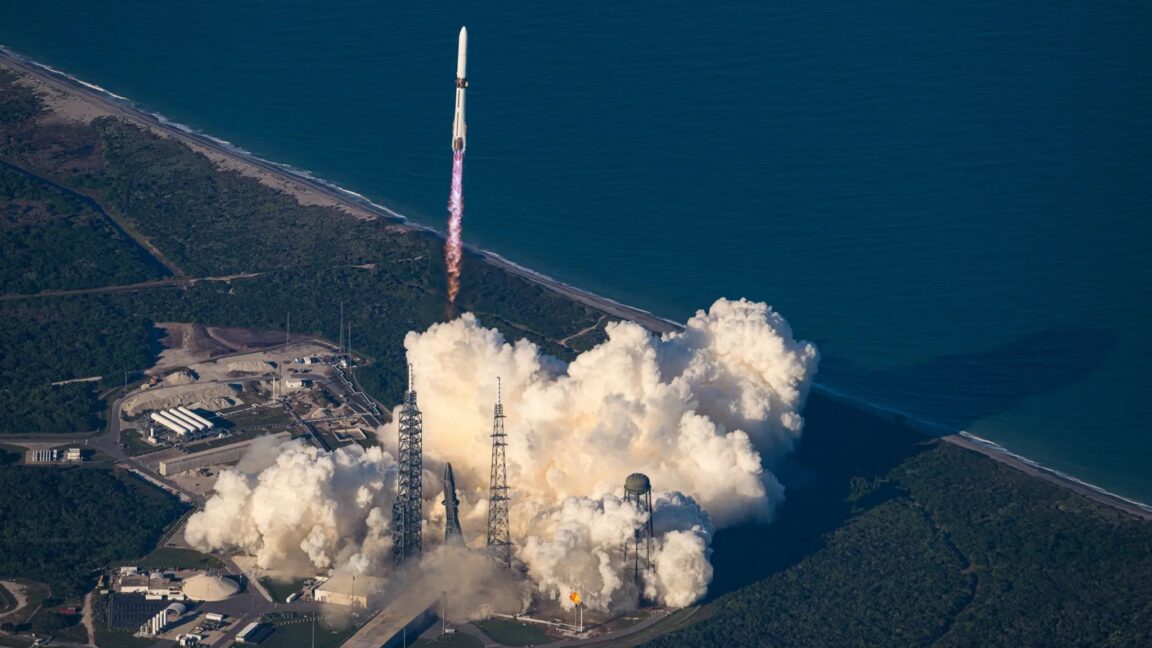

New Spaceport on the Horizon for U.S. Space Force
As the demand for launches skyrockets, the U.S. Space Force is exploring options for establishing a new launch base. While plans are still in the preliminary stages, discussions emphasize the importance of collaboration with local and state governments. Garrant, a senior Space Force official, noted, “It’s going to take a strong partnership with local and state governments,” but did not provide a timeline for the decision-making process.
In the previous year alone, there were a striking 175 orbital launch attempts from the facilities located at Cape Canaveral Space Force Station and Kennedy Space Center in Florida, as well as Vandenberg Space Force Base in California. Looking towards the future, Space Force leaders predict that the country’s existing spaceports will need to handle approximately 700 launches annually by 2036.
A new launch site could alleviate the growing operational pressures on the crowded facilities in Florida and California. Moreover, the establishment of a third launch location would enhance what Space Force officials describe as “geographic resiliency,” helping to protect against the disruptions that could arise from natural disasters or military threats affecting current launch sites.
Currently, the federal government operates a third spaceport at NASA’s Wallops Flight Facility in Virginia, primarily used for suborbital rocket tests and launches of small- to medium-sized satellites. Additionally, the Pacific Spaceport Complex, managed by the state of Alaska, serves as another option for launching smaller rockets.
Exploring commercial partnerships is also on the table for Space Force as it weighs the potential for a new military spaceport. When asked about the possibility of leasing property from private entities, such as the extensive SpaceX spaceport planned for southern Louisiana, Garrant indicated that all opportunities are under consideration. “We’ve discussed that we need to consider all of those opportunities: public-private partnerships, new federal installations, leveraging state land, and leveraging commercial land—all of those are possibilities,” he stated, stressing that no decisions have been finalized yet.
Editor’s Take
The potential establishment of a new Space Force spaceport highlights the increasing urgency for U.S. launch capabilities amid soaring demand. This development could not only enhance national security but also stimulate local economies and foster innovation in the aerospace sector, opening doors for businesses and technology partners alike. As the global demand for satellite services and innovations increases, strategic expansion becomes essential for maintaining a competitive edge.
Source: arstechnica.com