

Healthcare Facilities Under Scrutiny: Insights from Recent Preparedness Drills
A recent set of unannounced drills conducted from January to June 2026 aimed to evaluate the preparedness of healthcare facilities in responding to potential infectious disease outbreaks. The exercise involved visits to a total of 73 healthcare settings, predominantly in New York City (52 locations), along with others in upstate New York (15), New Jersey (3), and the US Virgin Islands (3), all of which are part of the same health region.
Drill Outcomes: A Cause for Concern
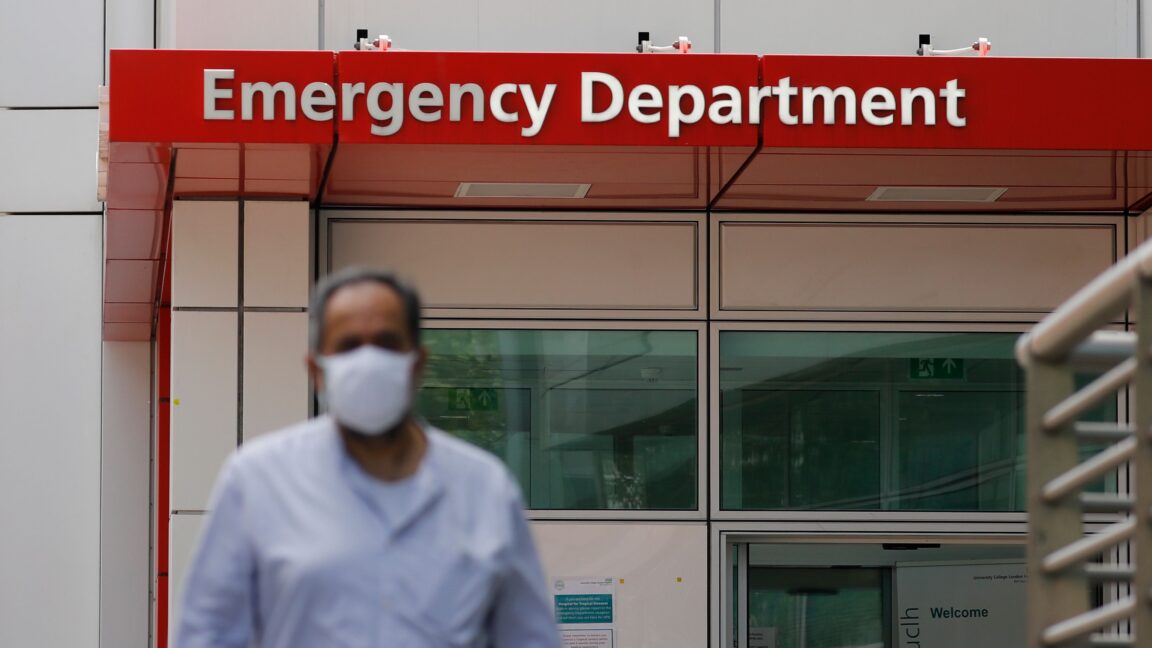
The majority of the visits were to emergency departments (42 out of 73), while the remainder included hospital outpatient clinics (19) and urgent care centers (12). Although all facilities had consented to participate, they were kept unaware of the specific timing.
The results of the drills revealed troubling statistics. Only 60 percent (44 of 73) of the facilities successfully employed both masking and isolating protocols for the actors simulating patients. Specifically, only 55 percent of emergency departments adhered to these standards, whereas outpatient clinics and urgent cares recorded slightly better compliance at 68 percent and 67 percent, respectively. Alarmingly, 18 percent of facilities failed to provide a mask to an actor impersonating a patient with flu-like symptoms.
Among the facilities that did enforce masking and isolation, fewer than half (43 percent) managed to do so within the targeted one-minute timeframe, and only 48 percent moved the simulated patient to an isolation room within the suggested 10 minutes. Outpatient clinics, on average, took longer, with a median isolation time of 20 minutes; in some cases, this stretched to nearly an hour. The median time to mask was recorded at 2 minutes, with a median isolation time of 11 minutes.
Most healthcare sites (93 percent) did conduct symptom screenings on the actors, but only seven of the 73 facilities inquired about specific exposure to bird flu, which could be critical during outbreaks.
Furthermore, there were significant inconsistencies in the use of personal protective equipment (PPE) by clinicians engaged with the actors. A mere 25 percent followed the complete PPE recommendations, while 6 percent did not use any protective gear at all. Notably, 19 percent of clinicians did not wear any masks or respirators, and just 40 of the 73 facilities (55 percent) either informed or intended to inform their Infection Prevention and Control (IPC) staff as mandated.
The authors of the report underline the troubling nature of these findings, stating that “Health care facility waiting areas can be high-risk settings for transmission of respiratory viruses if appropriate IPC measures are not implemented.” The lackluster performance of these drills may suggest a severe overestimation of the facilities’ overall readiness.
It is important to note that not every facility invited for participation accepted, and those that opted out might have demonstrated even poorer performance. Although the drills were unannounced, some facilities may have received advance notice, potentially skewing the outcomes.
Editor’s Take
This assessment of healthcare facility preparedness underscores a significant vulnerability in public health. The inconsistency in adhering to infection control measures could have dire consequences during an actual outbreak. It highlights the urgent need for healthcare systems to bolster their protocols and ensure staff training, which is critical in safeguarding public health and maintaining trust in healthcare services.
Source: arstechnica.com