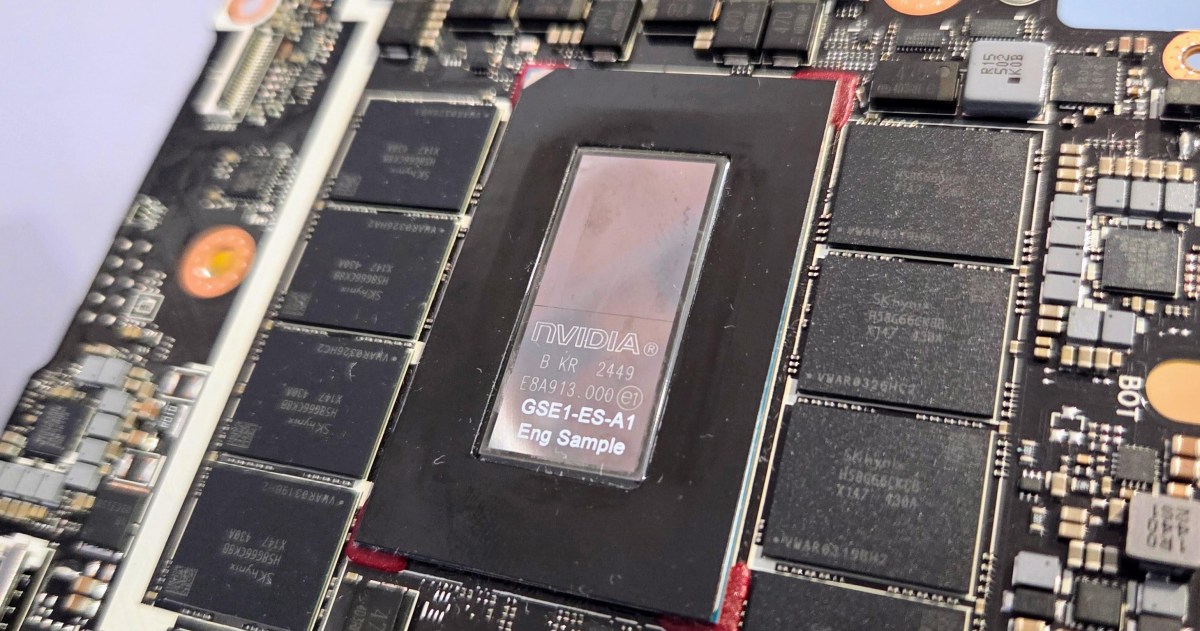

Nvidia Reintroduces Arm-Powered RTX Spark Laptops, Capable of Running Legacy Windows Applications
Fourteen years after the launch of the troubled Microsoft Surface RT, which was powered by an Nvidia Tegra chip and unable to run traditional Windows applications, Nvidia is poised to redefine the Arm-powered laptop market. On October 16th, the company announced the first wave of RTX Spark laptops, claiming they will effectively run legacy software, including popular applications such as Adobe and Microsoft Office.
At a recent event, Nvidia’s senior director of products, Justin Walker, assured journalists that “all your apps, all your games, everything’s going to run great on Spark.” The flexibility of the new laptops is a significant departure from past models, where users had to sacrifice functionality for portability.
However, the anticipated products come with a substantial price tag, with models reaching up to $7,000. Despite the eye-watering cost, the promise of local AI capabilities and vibrant graphics draws interest, though some skepticism remains regarding performance trade-offs compared to cloud-based solutions.
The upcoming RTX Spark laptops leverage a chip that has previously powered mini desktops for AI developers. This new version, however, operates on full Windows 11 and incorporates Microsoft’s Prism emulator, enabling older Windows applications to run effectively on Arm architecture.
Nvidia looks to leap ahead of competitors like Apple, which has successfully transitioned its entire computer line to Arm-based chips with the Rosetta 2 emulator. In addition, developers at Valve have showcased the potential for games on Linux platforms, adding further levels of competition to the space.
The RTX Spark aims to provide superior gaming performance compared to products from Qualcomm, whose typically lower-end Snapdragon chips have struggled with game compatibility. While Nvidia’s product boasts more robust graphics capabilities, there may still be limitations: certain CPU-bound games may not achieve desired frame rates due to real-time instruction translation imposed by the Prism emulator.
Despite previous challenges, Nvidia has reportedly established compatibility with various anti-cheat mechanisms for popular multiplayer games. Titles such as Fortnite and Valorant will soon be playable on these new laptops, widening the appeal of what the RTX Spark can offer to gamers.
Price and Market Positioning
The launch of the RTX Spark series comes at a time when chip prices are high due to ongoing demand related to the AI industry. Consequently, these laptops are priced steeply. The Surface Laptop Ultra, for example, starts at $2,600 for a basic model.
However, the market is likely to evolve, with Nvidia hinting at plans for more affordable variants of the Spark product line in the future. As PC manufacturers, including Microsoft, strive for high-quality products to rival MacBook Pros, this transition might lead to significant innovations in the Windows ecosystem.
The growing momentum behind Arm chips could be beneficial for all players involved, enhancing overall performance and capabilities across the board.
Editor’s Take
The Nvidia RTX Spark laptops represent a pivotal shift in the landscape of Arm-based computing. Promising compatibility with legacy applications significantly lowers the barriers for users transitioning to new technology. For businesses and developers, this could lead to broader adoption of AI solutions across diverse sectors, enhancing productivity and innovation in the long run.
Source: www.theverge.com