
Introducing the Nothing Headphone 1 Pro: A New Flagship in Audio Technology
Nothing has been on a notable journey in the audio market this year, having launched the impressive Headphone A and the unexpectedly well-received Ear 3A earbuds. The Headphone A debuted with a price tag of $199, while the earbuds are available for under $100. This paves the way for the latest offering from Nothing: the Headphone 1 Pro, a premium pair of over-ear headphones retailing at $399. This flagship product stands out with features that exceed typical expectations for high-end headphones.
The Headphone 1 Pro includes standard flagship features such as active noise cancellation (ANC), multiple sound profiles, and user-friendly controls. However, it also brings some unique elements to the table, including a distinctive triple-driver design, support for Auracast, and an innovative Flat EQ switch. This switch allows users to turn off audio processing, enabling professionals in the studio to hear their mixes without any added coloration from the headphones.
Sound Quality and Customization
While many recent models have embraced EQ customization, the Headphone 1 Pro bucks this trend with a function that allows users to disable both EQ and spatial audio via the companion Nothing X app. This feature was developed in collaboration with Metropolis Studios, famous for producing renowned artists like Amy Winehouse.
The headphones come with a default Balanced EQ setting that enhances mids and highs, giving vocals a clear edge and increasing the presence of cymbals. However, activating the Flat EQ attempts to balance these frequencies with the bass response, resulting in a more even sound but at the cost of some musical airiness. Most casual listeners may find better results using the advanced EQ settings available in the app.
Design and Usability
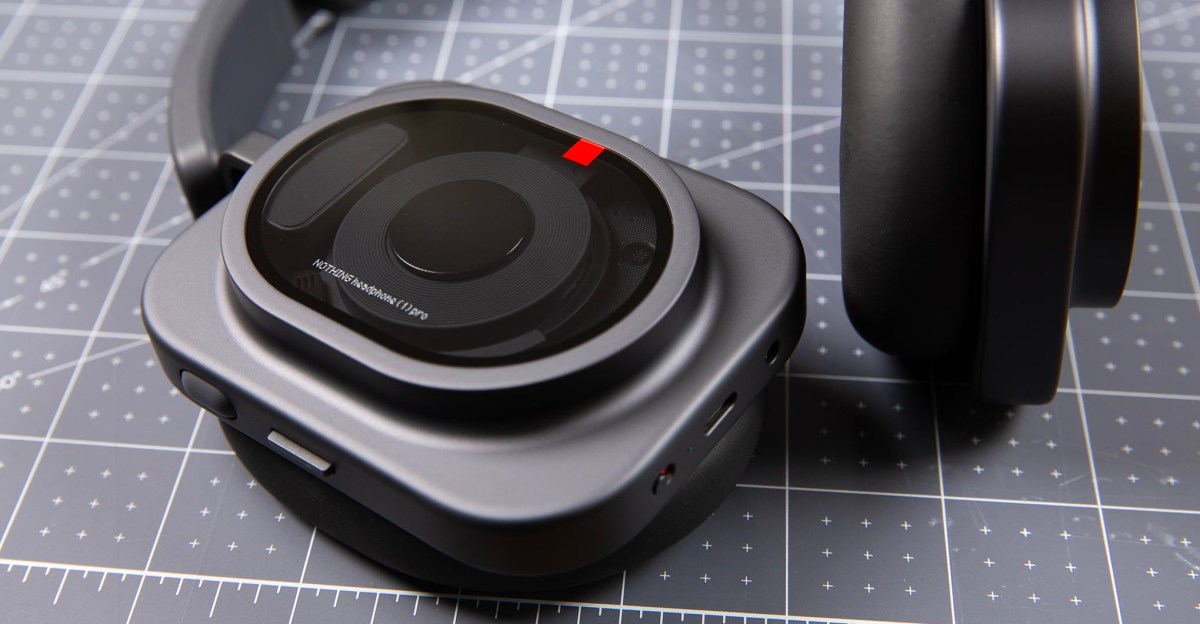
The design language of the Headphone 1 Pro remains consistent with Nothing’s other offerings, integrating tactile controls that are often more reliable than touch-sensitive buttons. The flat-switch is conveniently placed on the inner edge of the left ear cup, minimizing accidental adjustments during use.

The Headphone 1 Pro utilizes a unique triple-driver setup, comprising a 40mm dynamic driver for bass, a dedicated midrange driver, and a solid-state xMEMS driver for higher frequencies. This arrangement not only allows each driver to focus on its respective range, enhancing clarity, but also delivers superior audio performance compared to many competitors, which rely on a single driver.
In terms of connectivity, these headphones support LDAC for high-resolution audio both wired and wireless, allowing playback at up to 24-bit/96kHz and wired lossless audio up to 24-bit/192kHz over USB-C. They also support Auracast functions, aligning with other flagship models like the Sony XM5 and Bose Ultra Headphones.
Performance and Battery Life
Initial impressions indicate that the ANC on the Headphone 1 Pro effectively diminishes low-end sounds like air conditioning or airplane noise. While it may not outperform industry leaders like the Sony XM6 or Apple AirPods Max 2, it certainly offers a satisfactory isolation experience, showcasing an impressive advancement in ANC technology for Nothing.
Stylishly designed, the headphones boast a protective hard case, though it only covers the ear cups, leaving the headband exposed. With an IP52 rating, the Headphone 1 Pro offers up to 30 hours of playtime with ANC active, and an impressive 68 hours without.
Conclusion
Although further testing is needed for a definitive assessment, the Headphone 1 Pro positions itself as a formidable competitor in the high-end headphone market. While the Flat EQ switch may serve niche needs, its ANC quality and overall sound performance indicate a strong move forward for the brand. The distinctive aesthetics of Nothing ensure that these headphones will appeal to users seeking standout designs.
Editor’s Take
The launch of the Nothing Headphone 1 Pro is significant in a competitive audio market. Its unique features, such as the Flat EQ switch and advanced driver design, provide exceptional value, particularly for audio professionals. These innovations, coupled with effective ANC performance, could shift consumer preferences towards brands that prioritize both design and sound quality.
Source: www.theverge.com