

TypeSafe AI has made headlines with its latest artificial intelligence model, Jev, which has rapidly gained traction since its launch just weeks ago. The company announced it successfully raised $870 million, achieving a remarkable valuation of $7.5 billion. This funding round was spearheaded by Andreessen Horowitz, with notable contributions from Sequoia and returning investor DCVC.
The swift adoption of Jev can largely be attributed to its viral status following its release on September 15. According to TypeSafe, approximately one-third of Fortune 500 companies are already utilizing this groundbreaking model, a testament to its rapid acceptance in the corporate world.
Unlike traditional large language models (LLMs), Jev utilizes a transformer architecture but focuses on producing probabilities rather than generating text. Dubbed “calibrated decisions,” this unique output is drawing attention from users and large enterprises alike. TypeSafe claims that Jev operates significantly faster and utilizes fewer tokens compared to conventional LLMs, positioning itself as an effective tool for automation rather than text or code generation.
“We have been super good at human language for four years, but it’s not useful for automation because computers speak a different language,” stated Diogo Almeida, co-founder of TypeSafe, in a recent TechCrunch interview.
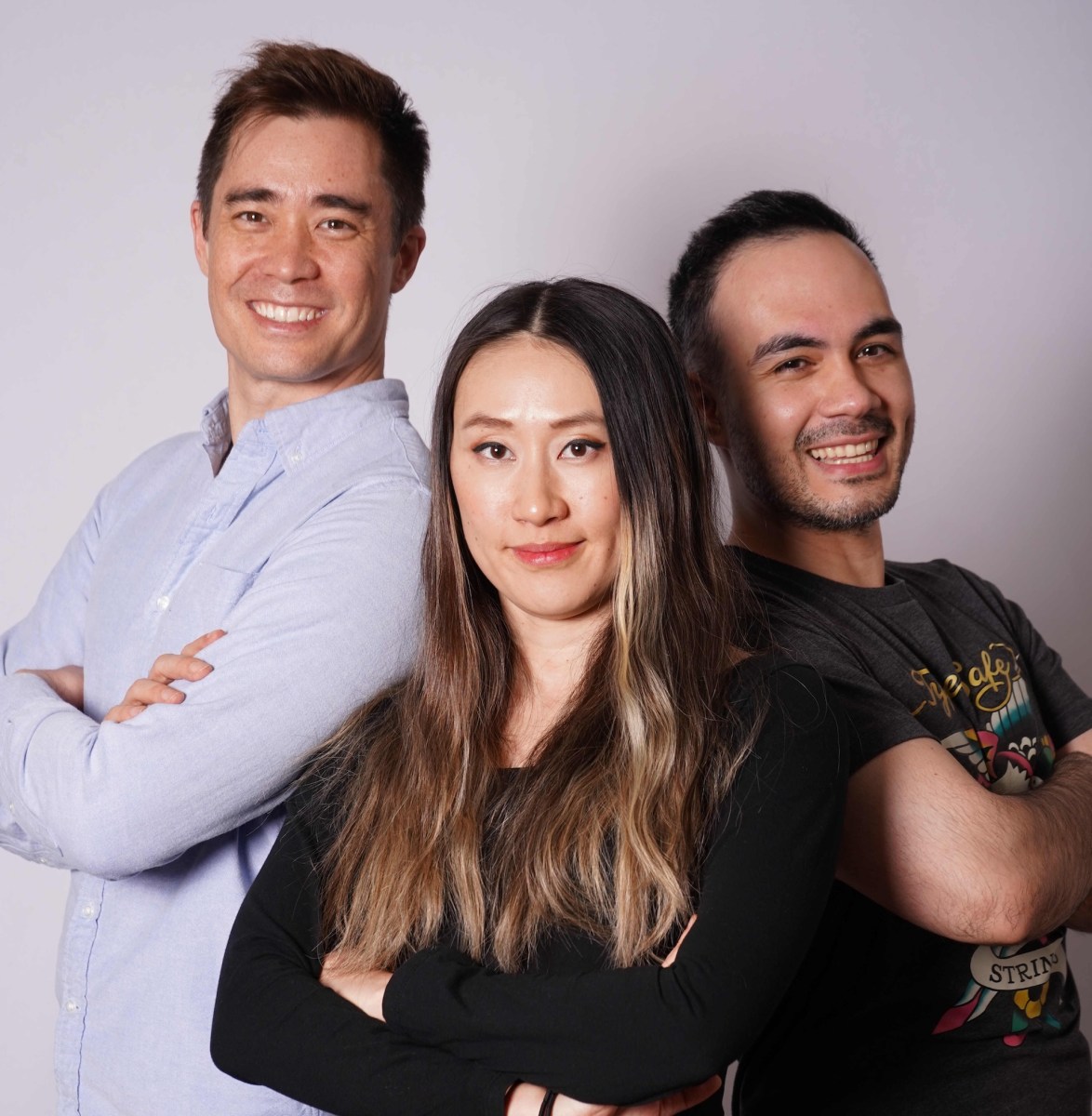
Founded in 2024, TypeSafe AI counts Almeida—formerly a researcher at OpenAI—among its key players. The company also includes Sasha Sheng, a former research engineer at Meta, and engineer and entrepreneur Erik Gafni.
Editor’s Take
The rapid fundraising and adoption of Jev highlight a significant shift in how businesses are approaching AI for automation. By steering away from conventional LLMs, TypeSafe AI is paving the way for more efficient computational processes. This could reshape not just developer practices but also the broader landscape of enterprise AI applications, leading to more streamlined operations across industries.
Source: techcrunch.com