

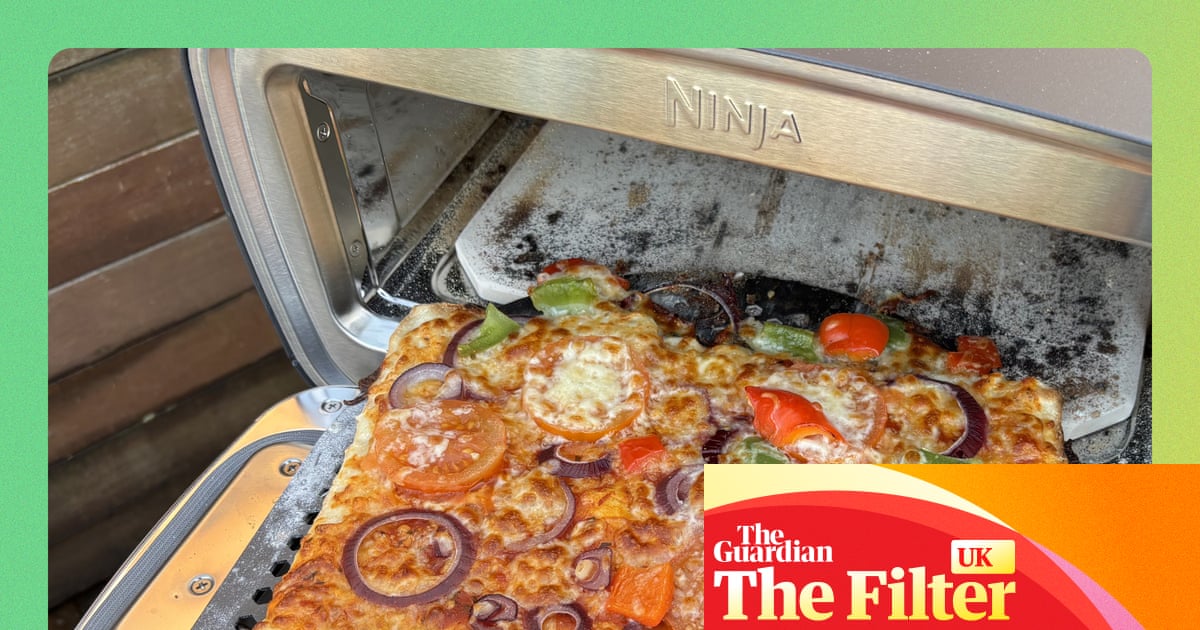

Review of the Ninja Artisan Electric Outdoor Pizza Oven
The Ninja Artisan electric outdoor pizza oven is making waves among outdoor cooking enthusiasts, challenging traditional purists with its innovative design. Unlike conventional ovens that rely on a flame, this electric appliance offers a hassle-free pizza-making experience. Gone are the days of monitoring flames, adjusting heat levels, or using cumbersome tools like turning peels and gas bottles.
The oven comes equipped with four convenient presets: Artisan, Thin Crust, New York, and Pan, along with a customizable setting to suit your baking style. This makes it user-friendly, rivalling even the simplest gas ovens in terms of ease of use. In addition to its pizza-making capabilities, the Ninja Artisan doubles as an effective outdoor air fryer, capable of cooking up to 1.3 kg of French fries or six chicken breasts at once.
One of the standout features is its rapid heating capability. With a maximum temperature of 370°C achieved in just 14-15 minutes, it can produce perfectly cooked pizzas in as little as two minutes, outperforming many higher-temperature gas and wood-fired ovens. Initially priced at £314.99, it has recently been available for £229.99, making it competitively priced against compact gas ovens while being more economical to run, consuming less than 1 kWh of electricity per hour at full temperature.
Testing the Ninja Artisan
To assess the Ninja Artisan MO201UK, I utilized a methodical approach consistent with reviews of other ovens. My evaluation included cooking various pizzas: a classic cheese and tomato at 370°C, a veggie option at a lower temperature of 220°C to caramelize toppings, and a salami pizza at 245°C. Additional criteria included ease of assembly, user interaction, temperature control, and storage capabilities.
During my tests, I monitored the time it took for the oven to reach its peak temperature of 370°C and observed the cooking behaviors at differing heat settings.
Key Features You Should Know
Here are the essential specifications for the Ninja Artisan:
- Dimensions: 40.31 x 57.2 x 31.39 cm (W x D x H); Mouth size 34 x 12 cm (W x H)
- Maximum capacity: 30 x 31 cm pizza stone (effective for 12-inch pizzas)
- Power: 1,760W, electric
- Weight: 13.98 kg
- Running cost: £0.25 for an hour at full temperature
What We Appreciated
The Ninja Artisan impressed me with its speed and efficiency. Its ability to reach high temperatures makes spontaneous pizza nights easier, eliminating the planning often required with traditional ovens. Pizzas cook in about two minutes, and a specialized setting for thick crusts takes only eight minutes without burning.
What Needs Improvement
However, the oven is not without its drawbacks. The tightly sealed door facilitates heat retention but can create complications during cooking. Users may find it challenging to check or retrieve pizzas, risking overcooking. Additionally, switching from high to low temperatures requires careful monitoring, as residual heat can lead to uneven cooking.
Warranty and Longevity
The warranty for the Ninja Artisan is shorter than typical gas pizza ovens, with a standard one-year condition that extends to two years upon registration. Replacement parts remain accessible, ensuring users can maintain their oven effectively.
Should You Consider the Ninja Artisan?
In summary, the Ninja Artisan electric outdoor pizza oven stands out for its affordability, versatile functionality, and speed. Its ability to cook a variety of dishes, from pizzas to air-fried snacks, marks it as a strong contender in the outdoor cooking domain. However, those seeking to produce the ideal pizzeria-quality crust may need to consider traditional options.
Editor’s Take
The arrival of the Ninja Artisan signifies a shift in outdoor cooking, providing an electric alternative that challenges the long-standing dominance of gas and wood-fired ovens. Its convenience will appeal to casual cooks, making it easier to prepare meals without extensive planning. Yet, traditionalists might see it as lacking in the authentic cooking experience associated with live flames.
Source: www.theguardian.com