

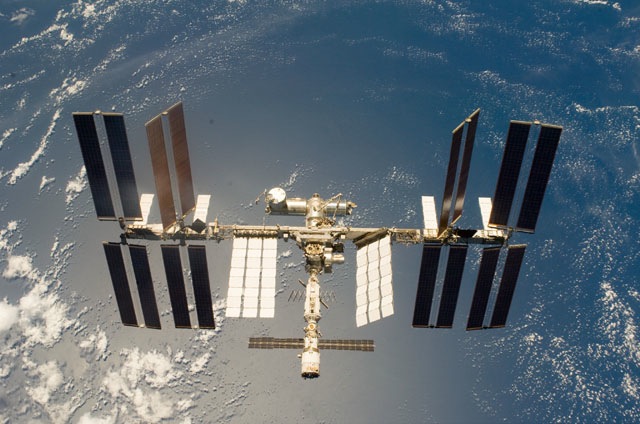

In a significant development for the future of human spaceflight, NASA has outlined specific pricing for upcoming crew and cargo missions to low-Earth orbit, as detailed in newly released documents. By 2030, the agency anticipates a cost of $325 million for a four-seat crew flight and $300 million for a cargo flight. This initiative alleviates some of the financial pressures on private space station developers who are navigating the complexities of creating, testing, and operating orbital facilities.
Industry Response
Following the release of the Request for Proposal (RFP) on Friday, various industry stakeholders began analyzing the extensive document while sharing their initial reactions.
Marshall Smith, CEO of Voyager’s Starlab, acknowledged the RFP as a pivotal moment. “The release of the RFP is an important milestone,” he stated. “We appreciate that NASA has incorporated both industry and government feedback. We believe Starlab has the strongest business plan and technical solution to be America’s next space station and we look forward to competing.”
Similarly, representatives from Axiom Space expressed enthusiasm about the new RFP. A spokesperson said, “Our team is actively reviewing the RFP now and is energized for the next steps in the process. With years of experience executing human space flight missions and developing orbital hardware, we are confident the proposal we provide NASA will demonstrate that Axiom Space is the clear choice to meet NASA’s objectives in low-Earth orbit.”
Vast also indicated readiness to participate in this competitive landscape. A company spokesperson remarked, “Vast looks forward to competing for the opportunity to build the commercial successor to the ISS. We’re in final integration with Haven-1 and ready to keep building towards a multi-module station capable of supporting a continuous human presence.”
Editor’s Take
This development signifies a crucial step forward in the commercialization of space. With clear pricing models from NASA, private companies are encouraged to innovate and compete in low-Earth orbit. This could lead to advancements not just in space exploration but also in technologies that can benefit various sectors on Earth, enhancing collaboration between public and private entities in the aerospace industry.
Source: arstechnica.com