
For the past two decades, NASA has been actively working to establish a vibrant economy in low-Earth orbit (LEO), largely in support of the International Space Station (ISS). This effort began with initiatives aimed at developing private spacecraft for cargo transport to the ISS. The agency’s goal has been to stimulate private sector involvement in creating safe, reliable, and cost-effective commercial space transportation systems.
Over time, this ambition evolved into the vision of a comprehensive commercial ecosystem in orbit, encompassing not only transportation but also space stations, manufacturing, tourism, and other enterprises. As a result, NASA now finds itself among multiple customers in the burgeoning LEO market.
In April 2024, NASA reaffirmed its commitment to this vision, stating that it supports a robust commercial space economy that advances American industry and spurs technological innovation through activities in space. The agency emphasized its dedication to fostering collaboration and innovation within the American space sector.
However, just two years later, doubts are surfacing regarding the sustainability of this initiative. With renewed focus on lunar exploration and plans for a permanent Moon base, NASA’s attention appears to be shifting away from LEO. Meanwhile, SpaceX has indicated a change of heart regarding its role in facilitating astronaut transportation to low-Earth orbit.
As questions arise about the future direction of the LEO economy, it prompts an examination of the landscape. Industry insiders have provided insights into what has led to this unexpected turn of events.
What Sparked This Shift?
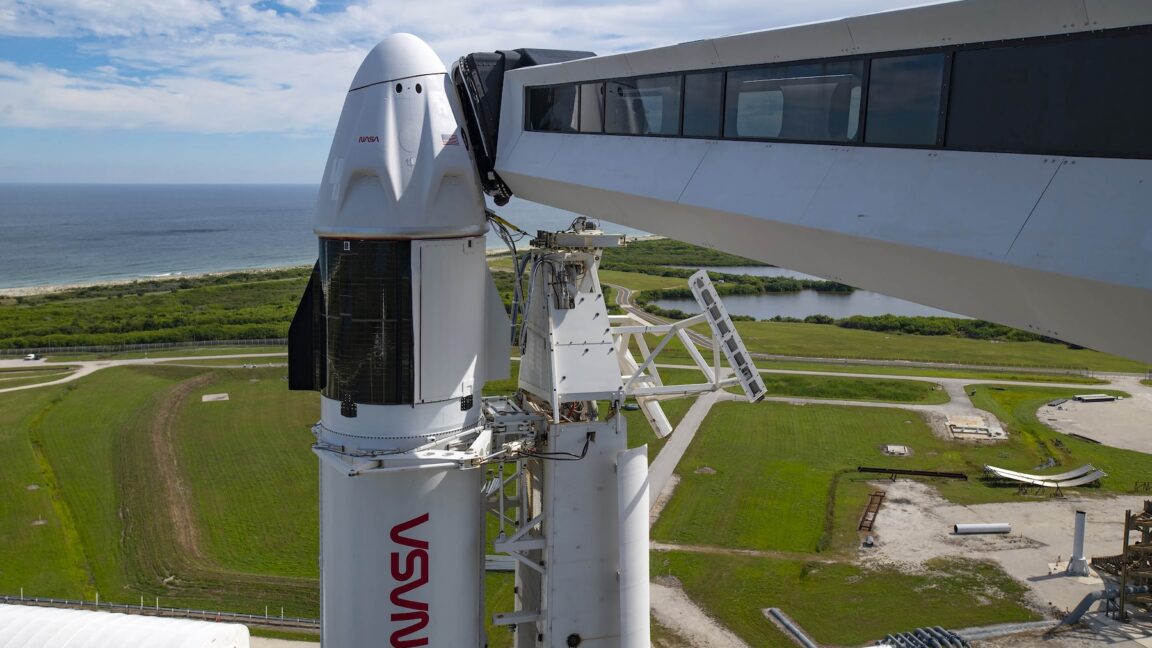
Recent developments reveal that SpaceX has communicated to NASA its plans to cease flying its Crew Dragon spacecraft and Falcon 9 rocket for low-Earth orbit missions. While the company has committed its resources to supporting the ISS until 2030, plans beyond that point are changing. SpaceX intends to retire the Crew Dragon spacecraft and has informed companies engaged in developing private space stations—such as Axiom Space, Voyager Space, and Vast Space—that they will not be able to order Crew Dragon missions for their facilities.
Editor’s Take
The recent maneuvers by SpaceX signify a pivotal moment for the commercial space economy. As the focus shifts towards lunar exploration, the implications for firms relying on low-Earth orbit infrastructure may be profound. This could create gaps in service and disrupt plans for emerging space ventures that seek to establish a foothold in orbit. A potential decline in astronaut transport services could stall the progress of an already complex industry.
Source: arstechnica.com