

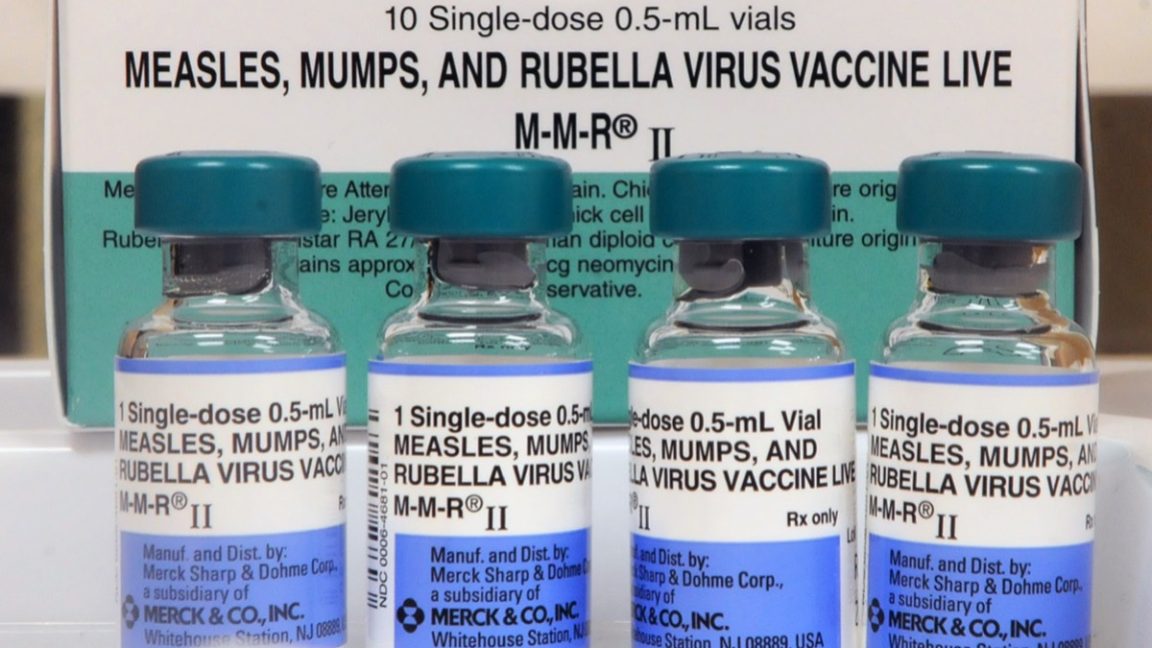
Measles Outbreak in Pennsylvania Surpasses 1,000 Cases, Highest Since Elimination

Pennsylvania Faces Largest Measles Outbreak Since 2000
Pennsylvania is grappling with a significant outbreak of measles, now the largest recorded since the virus was declared eliminated in the United States in 2000. With over 1,000 cases, this outbreak surpasses the previous high noted in 1991.
As of today, Pennsylvania’s health authorities have confirmed a total of 1,078 measles cases for 2026. This includes 12 cases identified in January and March, while the vast majority—1,066 cases—have been reported since April when the outbreak began. In the last week alone, 145 new cases were recorded, with 74 cases identified since the previous update on Monday. Officials indicated that many of the newly reported cases had been recorded later due to delays, with 40 of them dating back more than two weeks.
Within these cases, there have been 207 hospitalizations and five tragic deaths linked to the outbreak. These fatalities include a newborn, a 6-week-old infant, an 18-year-old, a 20-year-old, and a 40-year-old individual, all of whom were unvaccinated; the two infants were too young to receive the vaccine.
The rise in measles cases comes amid falling vaccination rates across the country. In recent years, outbreaks have surged. For example, a substantial outbreak in Texas from January to August 2025 resulted in 762 cases, whereas South Carolina had a similar issue, concluding an outbreak with 997 cases. Pennsylvania’s current situation far exceeds both records, indicating that the outbreak is still ongoing, with 34 new infections reported just since Monday.
Implications of the Outbreak
Measles was declared eliminated in the U.S. in 2000 due to extensive vaccination campaigns aimed at controlling the virus. This elimination is maintained by ensuring vaccination rates are high enough to prevent sustained transmission over a 12-month period. In November, experts from the Pan American Health Organization (PAHO), which serves as a regional office for the World Health Organization, will evaluate whether the U.S. has lost its elimination status. Many expect the status to be revoked, as Canada experienced a similar loss in 2025.
Editor’s Take
This unprecedented outbreak underscores the critical need for public health initiatives aimed at improving vaccination rates. The implications extend beyond individual health, as declining vaccination coverage could threaten herd immunity and overall community health. As awareness around vaccines fluctuates, maintaining trust in healthcare systems becomes vital for preventing future outbreaks.
Source: arstechnica.com