
The Australian government, led by Prime Minister Anthony Albanese, is contemplating changes that would potentially grant AI companies automatic rights to access the works of local creators. This proposition arises as discussions with leading tech firms, including OpenAI, the makers of ChatGPT, indicate that current copyright regulations hinder their ability to train AI models using Australian content.
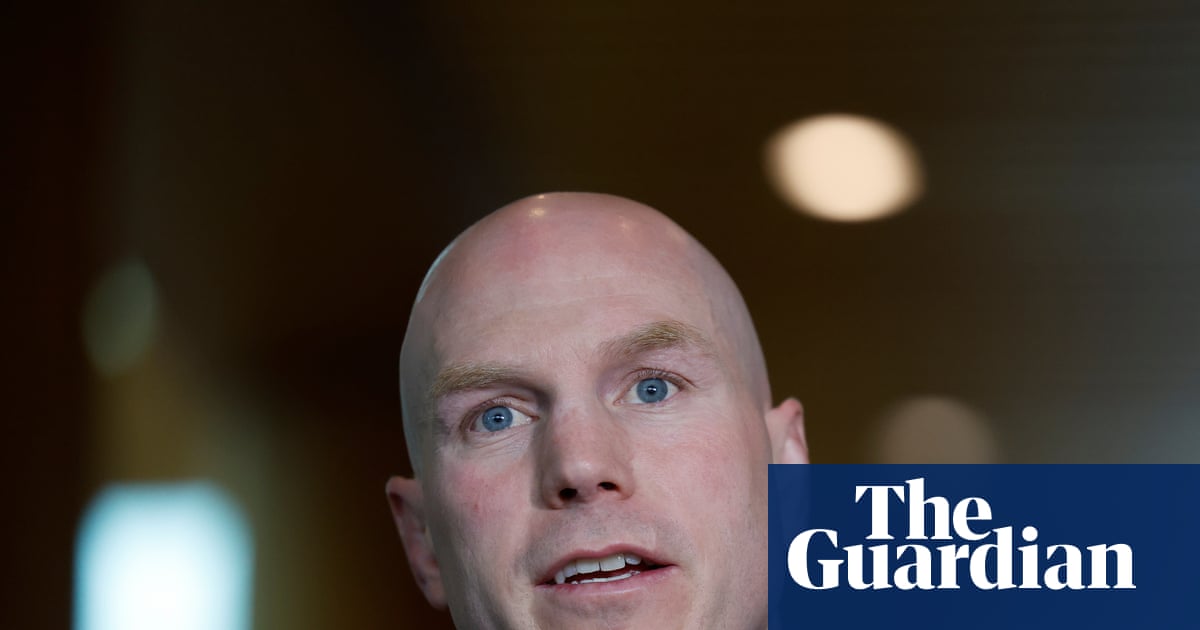
Independent senator David Pocock has voiced strong opposition to these proposed changes, arguing that they would undermine the protections typically afforded to creative individuals and copyright holders. “This would prioritize AI companies’ needs over the interests of everyday Australians, allowing access to all Australian content unless individuals specifically opt out,” Pocock stated on Tuesday.
He highlighted the unfair burden this would place on individuals, suggesting that rights holders should not have to defend their existing rights over the content they create. The proposals were drawn from a government consultation document titled “AI on Australian Terms,” which emerged during a Senate session.
AI companies have expressed a desire to utilize online content for training purposes, but local copyright laws currently impede this use. The document notes that many individual creators cannot realistically negotiate deals with AI firms, making the proposed changes particularly troubling for these creators.
One suggestion within the document would require creators to actively protect their works digitally if they wish to prevent AI firms from using them. However, rights holders have challenged the feasibility of this approach.
Another proposed option would permit AI companies to access unprotected online material, provided they establish agreements with a sufficient number of businesses. Alternatively, AI firms could reach deals with organizations representing creators, extending access to works from non-members of those organizations.
Despite the unfolding discussions, Labor’s industry minister, Tim Ayres, assured on Monday that the government’s forthcoming AI regulations would not diminish existing copyright protections. Richard Marles, the deputy prime minister, emphasized that engaging with U.S. tech giants presents a significant opportunity for Australia, affirming the government’s commitment to proceed cautiously in balancing national interests with economic prospects.
Prior to the consultation’s revelations, Sarah Hanson-Young, a Green senator, condemned the copyright discussions as “abhorrent,” advocating that all Australians should be compensated for their creative work. This sentiment resonates with many artists and writers who have campaigned against the potential weakening of copyright safeguards in the face of lucrative datacentre investments that AI firms are proposing.
Michelle Rowland, the attorney general, is overseeing these consultations with impacted entities, aiming to ensure that any future modifications to copyright law promote both meaningful control for creators and fair compensation.
In recent meetings between OpenAI’s global policy vice president, Ann O’Leary, and government officials, the challenges posed by local copyright restrictions were underscored. O’Leary remarked that OpenAI is reluctant to advance discussions regarding potential investments without resolving these legal obstacles.
As responses circulate regarding what some perceive as OpenAI’s “ultimatum” to the Australian government, Marles has characterized these comments as exaggerated, and OpenAI has requested corrections to misleading headlines about their discussions. Assistant technology minister Andrew Charlton reinforced the government’s position to support Australian creators, stressing their desire to retain control over their works and accept compensation when applicable.
Editor’s Take
This development is crucial as it highlights the ongoing tension between copyright protection and technological advancement. The outcome of these discussions could reshape the landscape for Australian creators, impacting how their content is used in the rapidly evolving AI ecosystem. Ensuring fair compensation while fostering innovation will be a delicate balance that the government must navigate.
Source: www.theguardian.com