
Federal Court Rules Against DOE’s Energy Policy
A federal court has issued a ruling that reinforces the role of state regulation over the U.S. electric grid, particularly in relation to energy generation. The court’s decision centers around the Federal Energy Regulatory Commission (FERC) and its limited authority concerning generation facilities, as outlined in the Federal Power Act. The legislation explicitly restricts the federal government from directly overseeing these generation assets.
The court interprets the historical intent of Congress as favoring minimal federal intervention in generation facilities. Such intervention is deemed appropriate only in urgent situations where immediate federal action is required to address significant power shortages. The judges argue that the vague claims of summer electricity shortfalls do not constitute an ’emergency’ as defined by Congress.
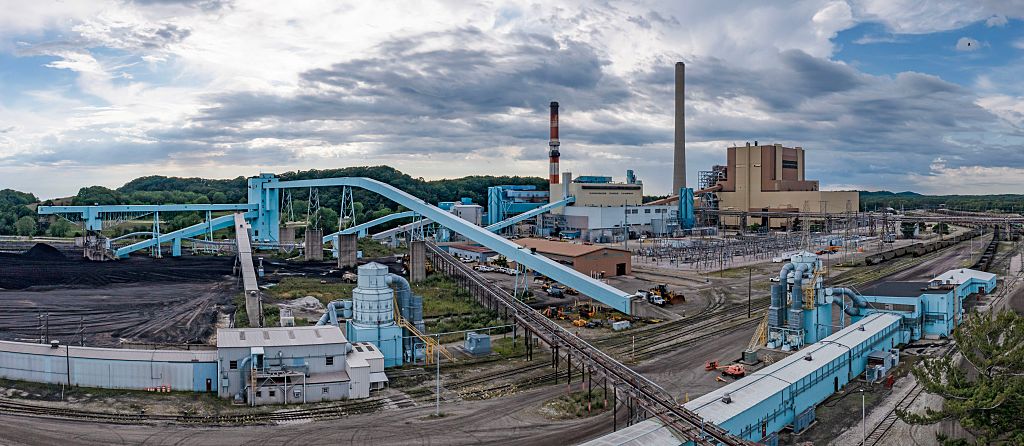
In the case at hand, the court found that the planned closure of a coal plant had been methodically arranged, with provisions made for a newer facility to compensate for the lost capacity. The ruling states, “Allowing the DOE to mandate generation in scenarios that can be managed through established resource adequacy planning would undermine the limits on federal authority that Congress placed throughout the Act.” This led to the annulment of the Department of Energy (DOE) emergency declaration.
With this decision, Michigan is poised to execute its plans for shutting down the coal plant, alleviating the financial burden on local ratepayers required to keep the facility operational. More importantly, the ruling sets a precedent that may impact other coal plants previously forced to remain online under similar emergency provisions initiated by the Trump administration. If other stakeholders challenge these actions, and the decision withstands appeal, it could potentially lead to the reversal of over 55 emergency orders issued by the DOE in 2026, which is more than double the total from 2000 to 2025.
Editor’s Take
This ruling signifies a pivotal shift in energy regulation, reaffirming state authority and limiting federal overreach in energy management. It highlights the growing scrutiny of emergency measures used to sustain dated energy sources like coal. For businesses and developers, this could engender a more stable regulatory environment conducive to investing in renewable energy technologies, as reliance on coal diminishes.
Source: arstechnica.com