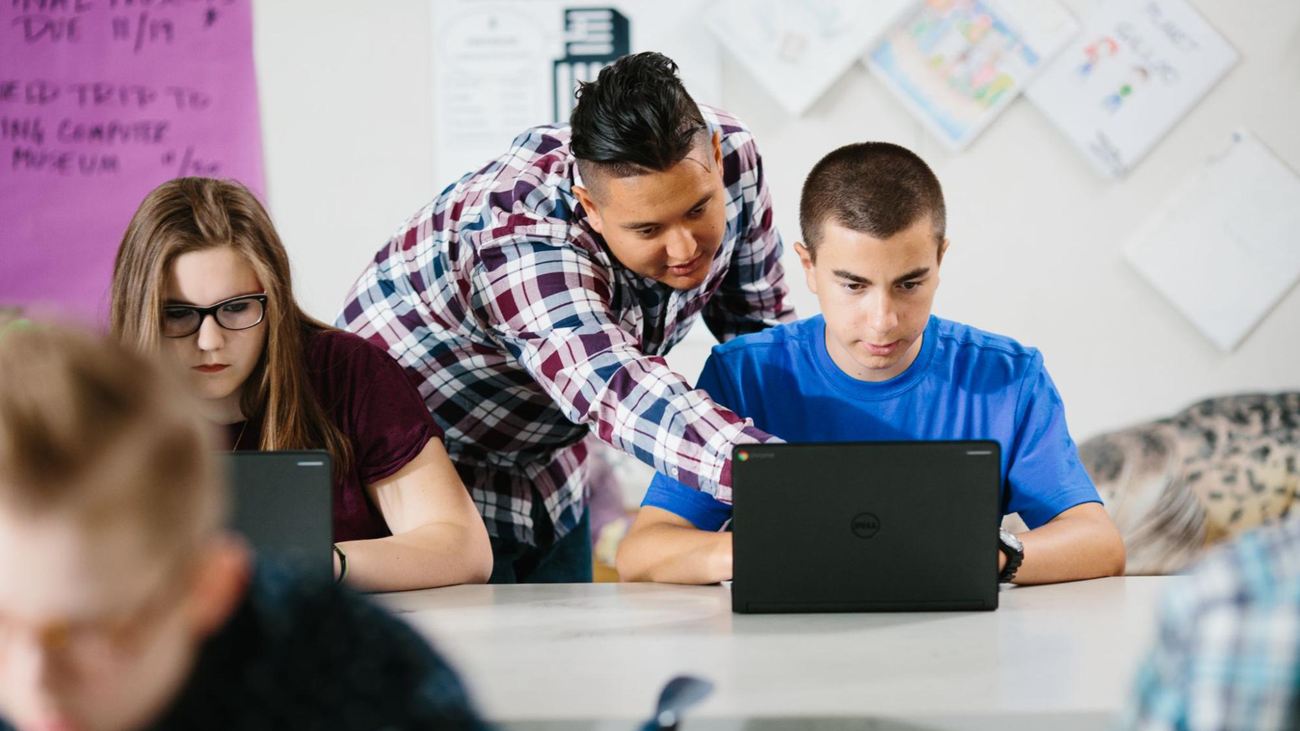

Empowering Schools with Responsible AI: A New Approach from Google
As educational institutions increasingly integrate artificial intelligence into their classrooms, Google is taking significant steps to ensure that schools maintain control over how these technologies are implemented. Following extensive discussions with educators, researchers, and policymakers, the tech giant announced updates to its AI tools designed specifically for the K-12 educational landscape.
Enhanced Control for Educators
Google’s new strategy emphasizes providing school administrators with robust controls over AI applications, including Gemini, Gemini Notebook, and Google Search. Notably, access to these AI tools will be restricted for K-12 student accounts unless expressly enabled by school authorities. This decision reflects a commitment to fostering a safe and responsible educational environment where AI can be utilized effectively.
The integration of AI in schools can enhance learning experiences, but it also raises concerns about privacy, security, and the appropriateness of content. By allowing educators to dictate when and how AI is used, Google aims to strike a balance between innovation and safety. “Our goal is simple: to provide school leaders the control and confidence to use AI products in classrooms as they see fit,” a company representative noted.
Upcoming Changes and Ongoing Collaboration
Google plans to offer more detailed information to schools regarding these changes in the coming months, ensuring that educators can prepare adequately for a smooth transition. The company’s proactive approach highlights its willingness to adapt based on feedback from educators and stakeholders.
In collaboration with schools, teachers, pedagogical experts, and parents, Google will continue to refine its AI strategy to meet the unique needs of the educational sector. For those interested in exploring a broader spectrum of AI tools, platforms like AllAI offer a way to access leading AI models from one workspace, facilitating diverse applications suitable for various educational tasks.
Conclusion
As schools prepare to harness the potential of AI, Google’s updates signify a pivotal moment in ensuring that educational technologies align with the values and needs of educators and students alike. With strategic control mechanisms in place, schools can confidently navigate the evolving landscape of AI in education.