Google’s Project Suncatcher Satellite Prototype Successfully Communicates from Space

Google’s Project Suncatcher Achieves Milestone in Space AI Research
On October 1, Google launched its prototype satellite for Project Suncatcher, a groundbreaking initiative designed to explore the potential of powering artificial intelligence (AI) compute systems in space. This significant step marks the beginning of a long-term research endeavor aimed at advancing AI capabilities beyond Earth.
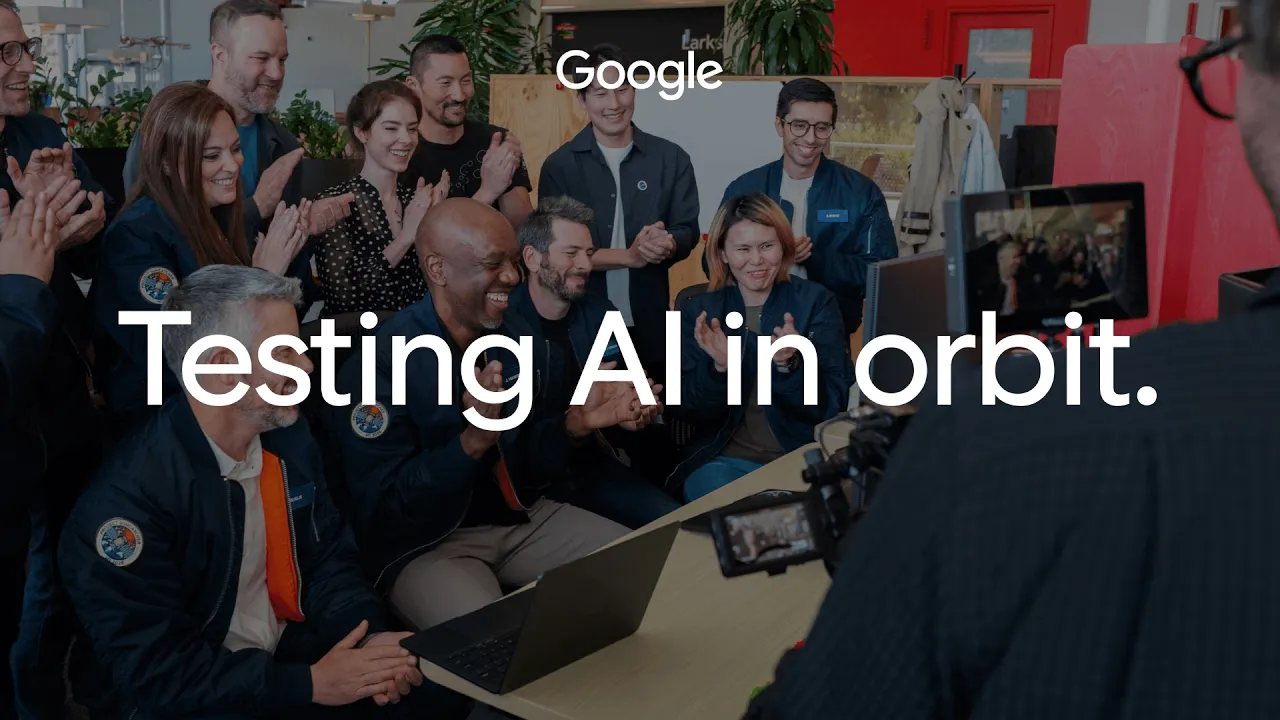
Since the launch, the team has diligently worked through a comprehensive commissioning checklist. This process involved activating the host and tensor processing unit (TPU) trays and successfully conducting initial machine learning tests. Recently, the project reached a historic “Hello World” milestone, recording the first-ever AI response from a data center-class TPU functioning in orbit.
A Poetic Milestone
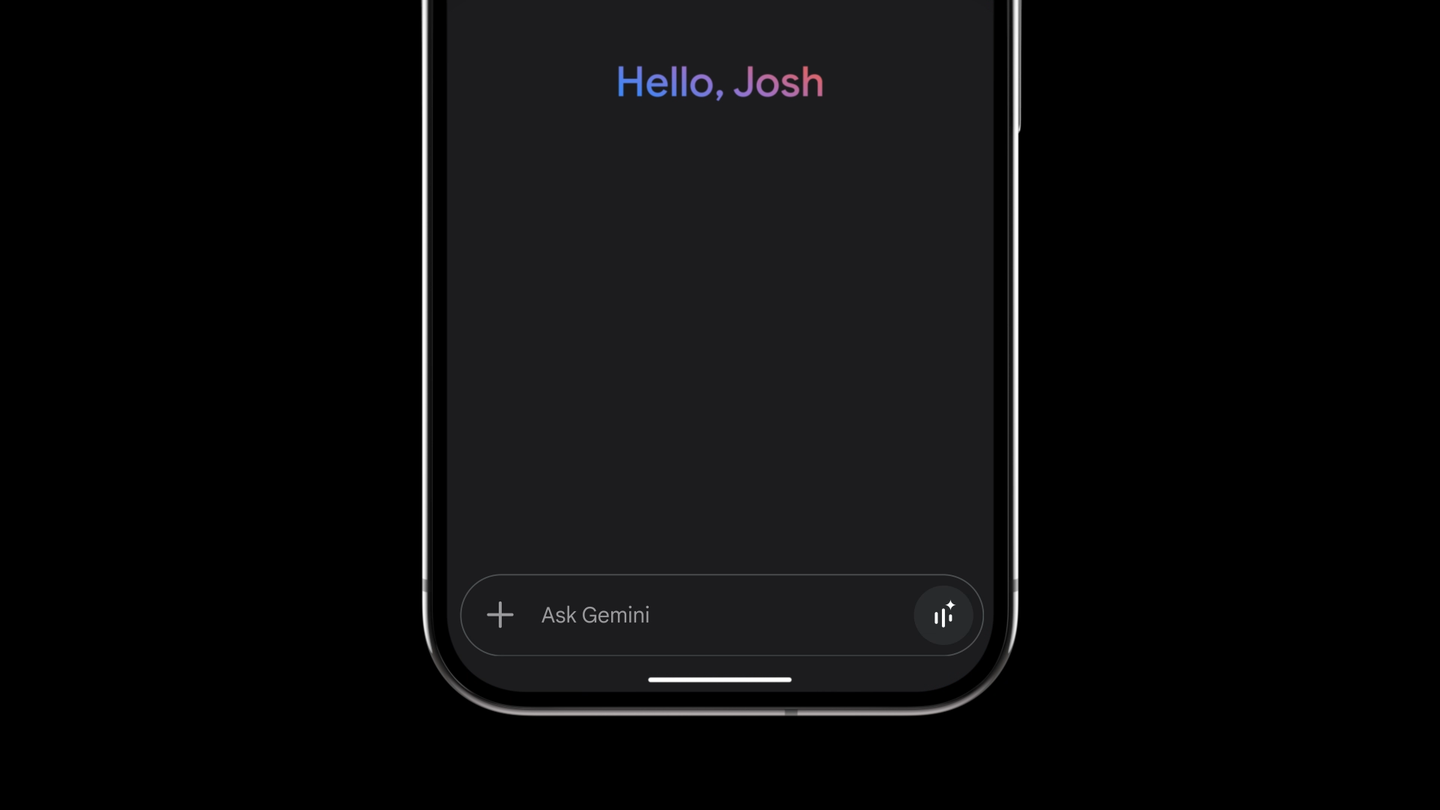
During a recent ground-station pass over Svalbard, Norway, the team sent a prompt to their onboard Gemma 4 open model, challenging it to generate a haiku about its experience in space. The result was an enchanting poem:
Blue marble below
Data streams in silent grace
Starlight feeds my core. ✨
This poetic response not only demonstrated the capabilities of the AI onboard but also set the stage for further creative and technical inquiries. Following the haiku, the satellite successfully produced space-themed limericks and telemetry prompts detailing the status of its systems.
What’s Next for Project Suncatcher?
The next phase of testing will assess how effectively the TPUs can operate under the challenging conditions found in space—including thermal stress and radiation exposure. Establishing that TPUs can execute workloads reliably in orbit is crucial for the project’s ambitious plans, including the anticipated launch of two interconnected satellites by 2027.
Google’s progress signifies a critical step in harnessing AI capabilities in space, echoing the potential for future applications of AI-powered technology beyond our planet. As various organizations explore similar innovations, the integration of capabilities may lead to collaborative efforts in the realm of AI. For instance, one such solution might offer users the ability to compare and use multiple AI models seamlessly from a single platform.
This achievement is merely the first of many in what promises to be an exciting journey towards utilizing advanced AI technologies in extraterrestrial environments. With continued success, Google’s Project Suncatcher could pave the way for significant advancements in space exploration and AI research.