

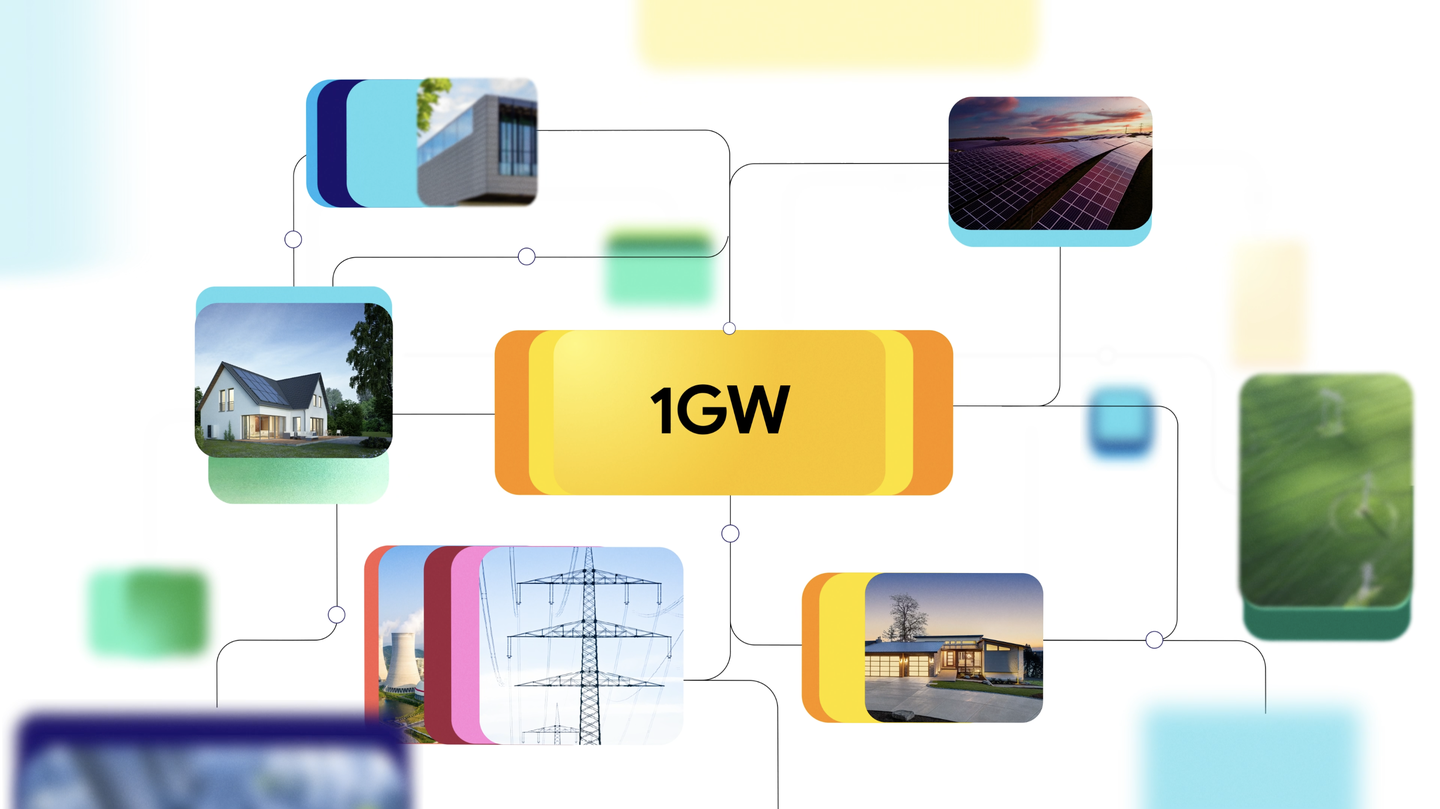

Google and Voltus Collaborate on 1-Gigawatt Virtual Power Plant Initiative
In a significant step towards enhancing grid reliability and sustainability, Google and Voltus have announced an ambitious agreement to establish a 1-gigawatt (GW) virtual power plant. This initiative will be implemented across the PJM grid region, serving approximately 67 million residents across 13 states and Washington, D.C.
Voltus specializes in aggregating flexible energy capacity from a variety of local sources, including smart thermostats, batteries, and industrial assets. These resources will be pooled into a Google-funded virtual power plant, which will temporarily reduce energy consumption during peak demand periods. This not only supports the overall stability of the grid but also provides direct economic incentives for participating customers, such as bill savings and cash payments.
A Major Expansion in Energy Capacity
This recent agreement marks a substantial expansion from an initial 100-megawatt contract established earlier this year, representing a tenfold increase in capacity. It is notable for being one of the largest known distributed energy portfolios implemented by a tech giant to date, showcasing the growing trend of integrating technology into energy solutions.
The collaboration aligns with Google’s broader commitment to add new capacity to local grids, enhancing reliability and affordability for consumers. As renewable energy sources become increasingly crucial for sustainable development, partnerships like these highlight the pivotal role technology companies can play in addressing energy challenges.
Implications for Future Energy Management
The strategic partnership between Google and Voltus is not just about meeting immediate energy demands; it sets a robust precedent for future energy management initiatives. By leveraging a combination of smart technologies, this virtual power plant showcases an innovative approach to energy conservation and grid stability.
Furthermore, as more organizations opt for similar partnerships, the industry can expect wider adoption of advanced energy management solutions, which are essential for adapting to changing energy landscapes.
As this initiative exemplifies, companies involved in AI and technology can also facilitate improved energy operations. For instance, platforms that enable users to explore multiple AI tools in one place can significantly streamline processes and enhance offerings in energy management.
In conclusion, the Google-Voltus alliance is a notable achievement in the realm of virtual power plants, demonstrating the potential for technology-driven solutions to create more resilient energy systems.