


The rise of voice as a pivotal interface is drawing significant investment, with billions being funneled into voice AI startups that are innovating in various sectors, including model development, enterprise customer service, and AI-driven dictation services.
Each week introduces a new model or tool claiming to mimic human conversation. Nevertheless, the practicality of these innovations may fall short of expectations. According to Shawn Wen, CTO of the enterprise voice AI platform PolyAI, the field has yet to hit its “ChatGPT moment,” despite advancements in full-duplex models that allow simultaneous speaking and listening.
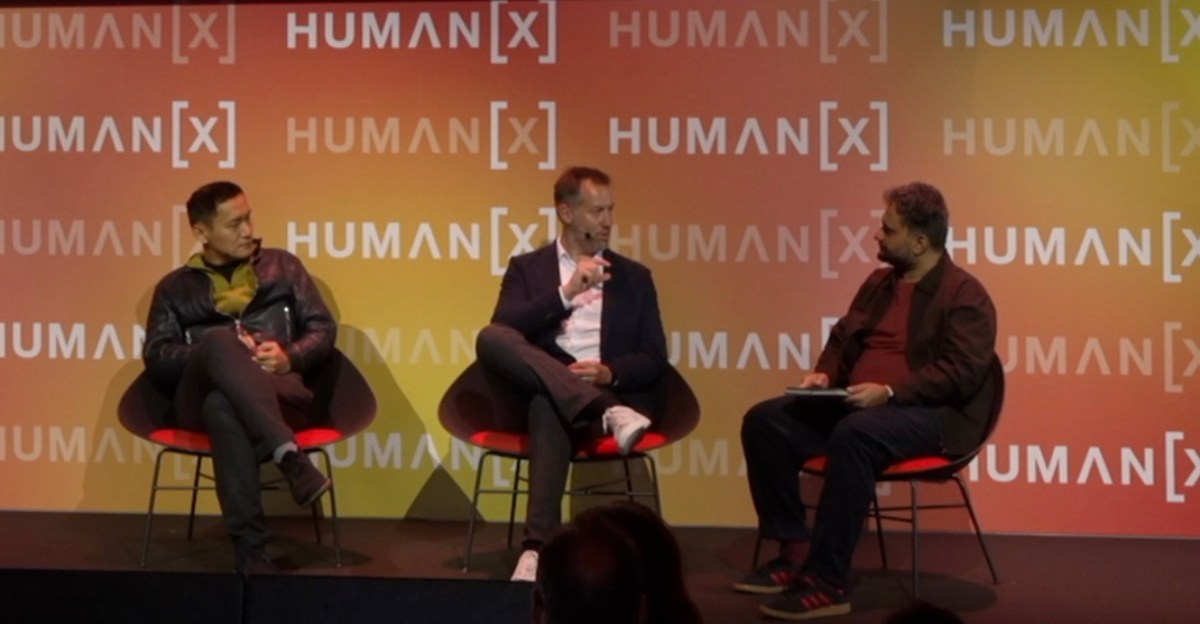
“While we have reached the milestone of creating full-duplex models, the next hurdle is accelerating reasoning capabilities. This will ensure that responses are swift, making conversations more fluid and natural,” Wen articulated during the HumanX conference last month.
He emphasized that AI agents in customer service should avoid sounding mechanical and instead instill confidence in customers that their issues will be resolved effectively.
“As the communication improves, customers are likely to engage more confidently, leading them to rely less on human operators if the AI agent can adequately address their concerns,” he noted.
Meanwhile, Alex Gay, CMO of the meeting notetaker service Otter, highlighted that advancing features like speaker identification and intent capture are crucial for enhancing automation. The company is also developing digital avatars to represent individuals in meetings, where replicating human emotive qualities in voice output is essential.
“The most fruitful conversations in meetings involve debate and relationship-building. If an avatar cannot engage in this manner, it merely functions as a Q&A bot,” Gay remarked.
Understanding and Transparency in Voice AI
Despite advancements in voice AI, many models struggle to fully comprehend user inquiries, leading to inaccuracies in transcripts.
Wen pointed out that ASR (Automatic Speech Recognition) technologies often overlook vital keywords, which disrupts the overall context of conversations.
Gay echoed this sentiment, stating that Otter is continually refining its transcription capabilities. He noted that language remains an essential area for improvement in voice models.
“For us, transcription was merely an initial step. Without precise transcription, any subsequent actions taken become flawed. This can lead to a loss of trust in our platform,” he added, underscoring the importance of enhancing the ASR model to mitigate downstream effects.
As new voice tools emerge, the issue of transparency becomes paramount. Companies need to inform users when they are interacting with AI or being recorded.
Otter aims to build trust during meetings, asserting the need to notify participants even if the bot isn’t present. Wen from PolyAI also stressed the importance of ensuring users recognize when they are communicating with AI in business environments.
Editor’s Take
The ongoing development in voice AI is crucial as it shapes the future of human-computer interaction. Better understanding and responsiveness from AI can lead to increased user reliance and trust. For businesses, enhancing these technologies may translate to improved customer service and operational efficiency, while developers face challenges in building systems that genuinely resonate with users.
Source: techcrunch.com