


Three Years After the October 7 Attack: A Survivor’s Story
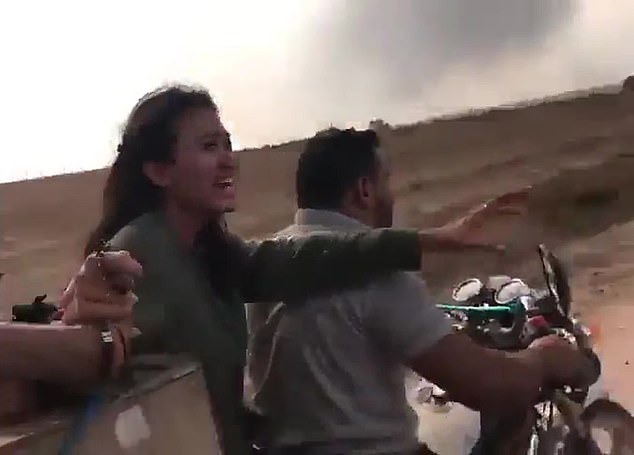
The image that resonates globally is that of Noa Argamani riding on a motorcycle, arms outstretched as she pleads, “Don’t kill me,” while being driven towards Gaza. This haunting moment, captured just a few yards from her boyfriend, Avinatan Or, who was helplessly marched away, has become emblematic of the devastating attack that left 1,200 dead and 251 hostages captured.
As the three-year anniversary of that fateful day approaches, Or has shared for the first time the harrowing details of their escape from the Nova music festival, shortly before they were separated for over two years.
In his newly released memoir, ‘Through the Earth’, an immediate bestseller in Israel anticipated for English translation, Or recounts his isolation deep beneath Gaza and his attempt to escape by digging a tunnel, a plan that led to severe repercussions and brutal treatment at the hands of his captors.
“We drove out from the festival area and tried to get to the main road,” Or explained. However, as they fled, gunfire erupted, forcing them to hide in a ditch for approximately two hours in complete silence.
When they were discovered, panic ensued. Or described hearing Argamani scream as they were surrounded, expressing a sense of utter helplessness. “It was my job to protect her,” he reflected. With Argamani being taken away on a motorcycle, the devastating footage that shocked the world began, capturing the moment he was restrained by a group of armed men.
Or stated, “In that situation, I understood that fighting back would probably mean my death.” The helplessness he felt watching Argamani being taken left an indelible mark on him.
What transpired next was horrific; he was attacked and subsequently taken across the border into Gaza, marking the beginning of a long and grueling 738 days of captivity.
During his time underground, Or faced extreme solitude, receiving minimal food and lacking sunlight or fresh air. Through this ordeal, he learned to keep his mind active while battling despair, frequently counting the days, measuring distances, and even teaching himself Arabic.
Determined not to let his circumstances dictate his fate, Or devised a plan to escape. Observing a current of air behind a wall of sandbags, he began to dig a tunnel using makeshift tools, fueled by the belief that his survival depended on his initiative.
On his 79th day in captivity, a turning point occurred when he felt compelled to pray after years of silence towards God. Moments later, a bomb struck nearby, causing a collapse that could have trapped him permanently. Remarkably, he was pulled from the wreckage by two captors, thus escaping death by mere seconds.
After 738 days, Or was finally released, albeit with a haunting warning from one of his captors urging him to flee Israel. Their chilling statement lingered: as long as Israel exists, the terror of October 7 would recur.
Following his release, Or faced the stark reality that his relationship with Argamani had not survived the trauma of their ordeal. Despite the global attention surrounding their story, he emphasized the need for privacy regarding certain aspects of their experience.
In a final note, he reflected on the killing of Saher Nidal Latfi Sakr, the terrorist who had kidnapped Argamani, which took place shortly after his release. While he stated, “We Jewish people do not celebrate the death of people, but I am glad there’s one less terrorist left in the world,” it highlighted the personal toll of violence and loss.
Editor’s Take
This anniversary serves as a grim reminder of the ongoing conflict yet underscores the resilience of individuals like Avinatan Or. His survival story offers profound insights into the psychological impacts of captivity, the importance of mental fortitude, and the human spirit’s capacity to endure in dire circumstances. As global attention continues to focus on the complexities of the Israeli-Palestinian conflict, narratives like Or’s are crucial for understanding the personal dimensions of geopolitical issues.
Source: www.dailymail.com