


Escalating Food Safety Concerns: A Surge in Recalls Across the U.S.
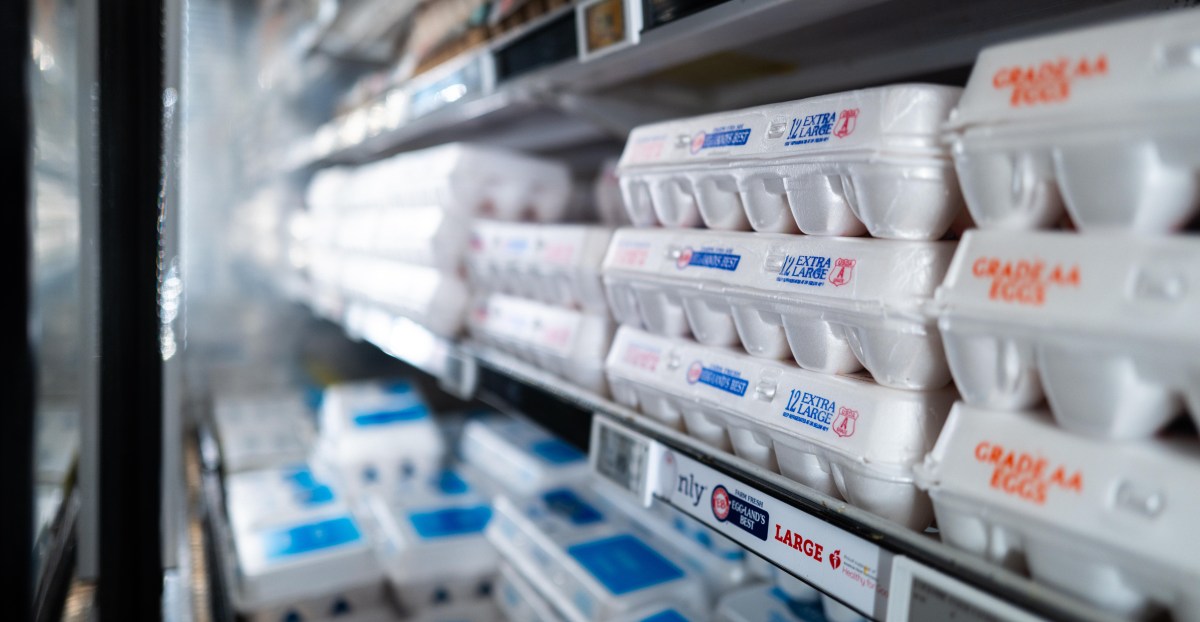
Recently, Taylor Farms issued a recall of its iceberg lettuce amid a significant outbreak of cyclospora. Shortly thereafter, the Food and Drug Administration (FDA) announced a recall involving over one million eggs suspected to be contaminated with salmonella. These eggs, sourced from Midwest Poultry Services, made their way to various grocery chains, including Kroger, in the Southern and Southwestern regions of the United States.
Additionally, Taylor Farms was compelled to remove more than a dozen products, such as guacamole, salsa, and taco dip, which contained jalapeños after Coast Citrus Distributors recalled fresh peppers linked to salmonella contamination.
The wave of food recalls doesn’t stop there. Earlier this month, frozen blueberries and mixed berries sold at Publix stores were recalled due to E. coli contamination fears. Some fruit bars from Outshine were also voluntarily withdrawn over the risk of glass contamination. Even dog food and popular eye drops have been implicated in recent recalls, affecting numerous consumers and leading to thousands of illnesses across the nation.
Darin Detwiler, Professor Emeritus at Northeastern University, pointed out that while the current level of recalls seems high, it remains uncertain if this year will surpass 2025’s figures. As of the end of July, there have been 122 food and beverage recalls in 2026, which is not far off from the 135 reported during the same timeframe in 2025.
“This is where recall fatigue can become trust fatigue.”
Despite the current recall statistics not indicating a drastic increase, a report from the U.S. Public Interest Research Group highlights a troubling rise in foodborne illnesses. Detwiler emphasizes that large-scale recalls pose a greater risk to consumers than several smaller incidents, citing a cyclospora outbreak linked to lettuce that resulted in over 9,000 cases in the U.S., potentially becoming one of the largest recorded outbreaks.
Public interest in food safety has surged, with media and digital platforms amplifying awareness of these recalls. Detwiler stressed the concern that if recall notifications blend into the everyday background noise, consumers might begin to accept outbreaks as an unavoidable consequence of our complex food systems.
The impact of previous budget cuts during the Trump administration has further complicated food safety oversight. The FDA’s budget was reduced by $271 million this year, resulting in numerous staffing cuts, which compromises their ability to conduct safety inspections effectively. The Centers for Disease Control and Prevention (CDC) has also reduced its tracking of certain foodborne pathogens, which could lead to fewer safeguards against future outbreaks.
The FDA’s Traceability Rule, which aims to enhance the tracking of contaminated food, has been delayed until 2028, further complicating the response to foodborne illness outbreaks. As challenges in detection and tracking persist, Detwiler advocates for ongoing clear communication regarding recalls and urges steps to prevent future incidents, emphasizing the need for strengthening institutional frameworks responsible for managing food safety.
Editor’s Take
The increase in food recalls serves as a serious reminder of the ongoing challenges in food safety. For consumers, this could mean heightened vigilance when purchasing grocery items. Businesses must adapt to increasing scrutiny and enhance their safety protocols to protect their customers and brand reputation. For developers and technologists, this underscores an urgent need for innovative solutions that can improve tracking and transparency in food supply chains.
Source: www.theverge.com