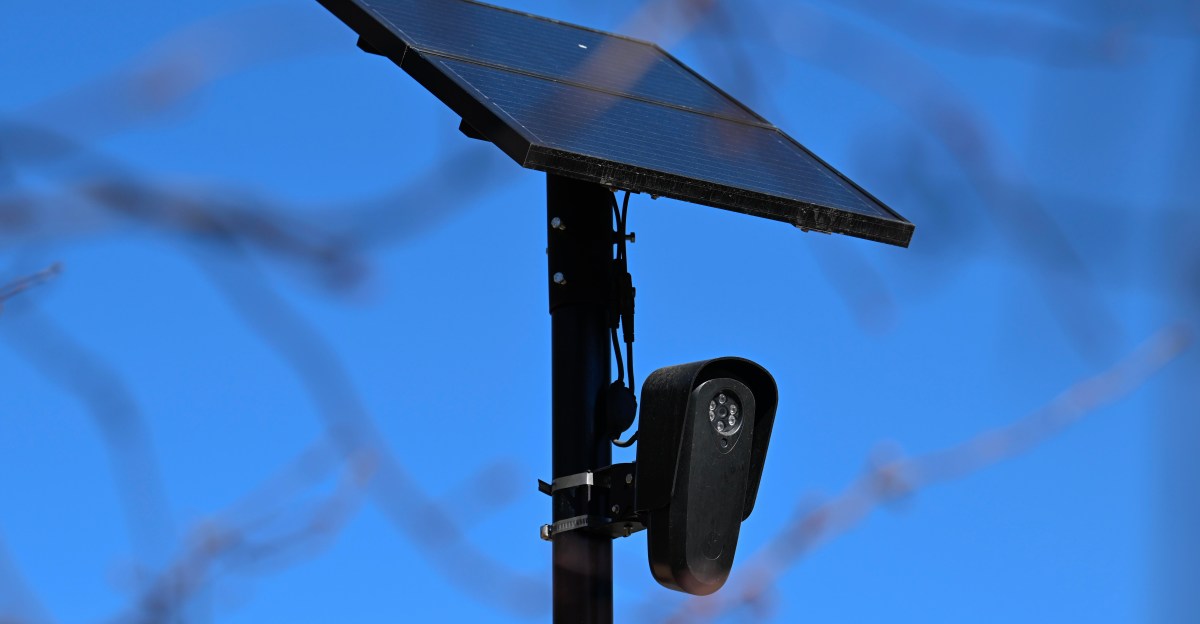

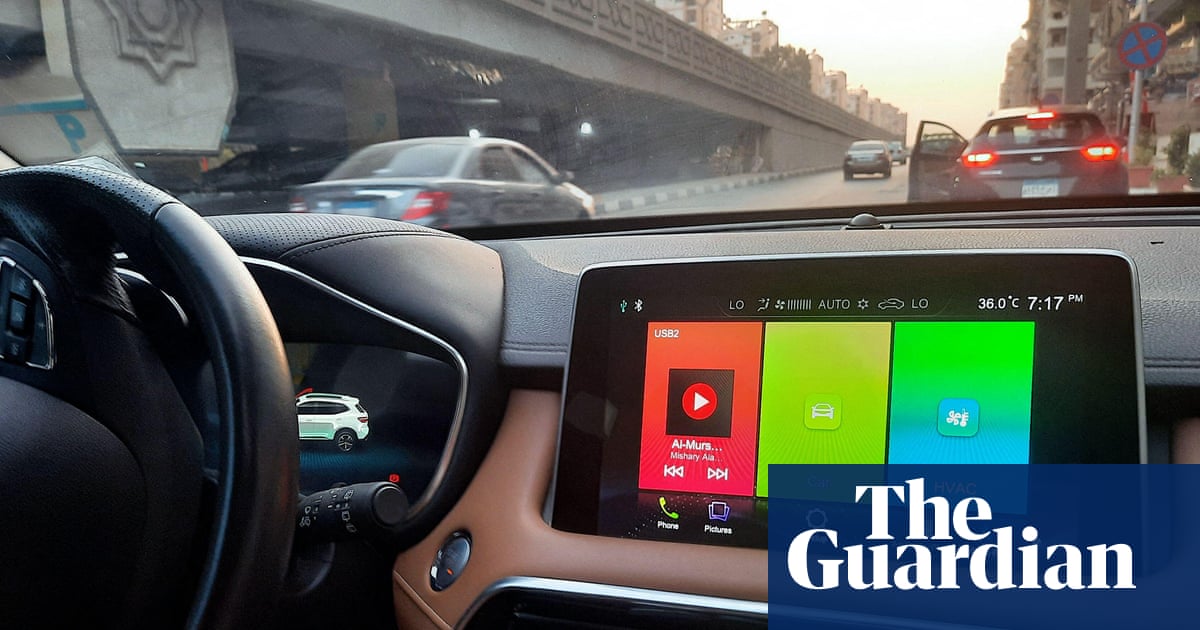

The Dutch General Intelligence and Security Service (AIVD) has issued a warning regarding the potential espionage risks associated with the advanced technologies found in modern vehicles. These technologies, including microphones, cameras, and GPS trackers, could potentially be exploited by hostile states to conduct surveillance on drivers and passengers.
The AIVD emphasized the necessity for drivers to be aware of these risks, highlighting that some vehicles can have their microphones activated remotely, thereby allowing unauthorized listening to private conversations. While the specific nations responsible for these threats were not disclosed, the warning coincides with a notable increase in Chinese car imports to the UK, raising concerns among security officials.
In a report published earlier this week, the AIVD elaborated on the escalating sophistication of vehicle technology, which increasingly connects to the internet and gathers extensive data about both occupants and the vehicle itself. “This offers practical benefits, but it also means that various parties, including state actors, can access this data,” the agency stated.
Evidence of these concerns emerged last year when UK defense contractors alerted their employees against syncing personal devices with Chinese electric cars, citing fears that sensitive information could be harvested. Recent statistics from the Society of Motor Manufacturers and Traders reveal that Chinese-branded vehicles now account for 15% of new car registrations in the UK, marking a dramatic increase, particularly in models from brands like MG, BYD, and Jaecoo.
British lawmakers have raised questions regarding the implications of China’s national intelligence law, which mandates that companies support state intelligence initiatives when requested. In response to these risks, the UK Ministry of Defence (MoD) has undertaken efforts to gauge and mitigate potential threats posed by vehicles equipped with advanced technologies.
This year, the MoD reportedly implemented a ban on vehicles containing Chinese components from accessing sensitive military sites. Notable locations affected by this ban include RAF Wyton and the Dorset headquarters of the Special Boat Service.
The AIVD warned that, “It is technically possible to activate microphones and cameras remotely in some cars,” heightening concerns that malicious entities could eavesdrop and conduct unauthorized recordings. They advised against holding private discussions near vehicles and recommended avoiding the use of cars possessing external cameras when visiting sensitive areas.
Moreover, the risk extends to connected devices, as interactions through Bluetooth or Wi-Fi could allow data extraction by malicious actors. The agency advised vigilance, particularly regarding GPS systems, telematics, and charging stations that may transmit vehicle and occupant data.
Compounding these concerns, MI5 recently cautioned UK universities against collaborating with the China General Technology Research Institute, contending that it serves as a façade for Beijing’s intelligence operations aimed at acquiring sensitive academic research.
In a rebuttal, the Chinese embassy in London dismissed these allegations as “imaginary and purely fabricated.”
Editor’s Take
This development underscores a critical intersection between automotive technology and national security. As vehicles become smarter and more connected, the need for robust cybersecurity measures becomes paramount. Users must remain vigilant about potential vulnerabilities, while businesses and developers need to prioritize data protection and privacy in their designs. The implications extend beyond individual privacy, touching on broader geopolitical dynamics.
Source: www.theguardian.com