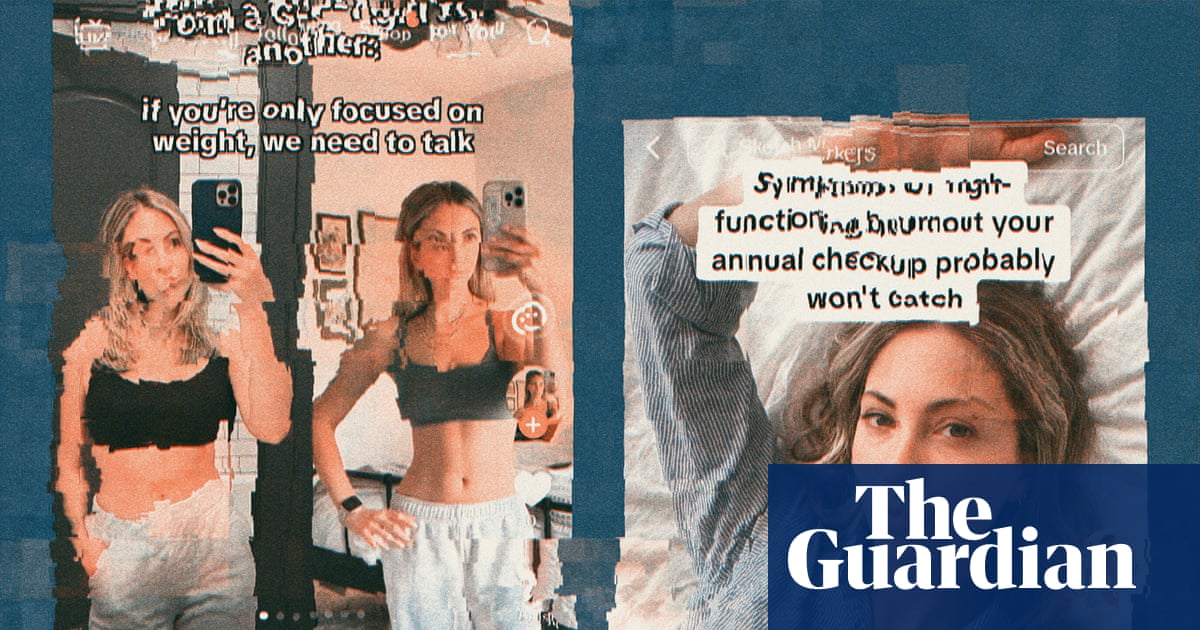

Emily Schuman, the founder of the lifestyle blog Cupcakes and Cashmere, recently found herself at the center of a troubling incident. Earlier this year, she came across a photo of herself on Instagram that she didn’t recognize. The image, used in a sponsored post for the telehealth company Gala, depicted Schuman holding a vial of GLP-1 drugs. There was a significant issue, however—Schuman had no affiliation with either Gala or the advertisement.
The ad featured a digitally altered selfie she had taken and shared years ago from her car. Once her followers learned of the post, they inundated her with inquiries about the sponsorship, which felt out of character for her brand. It wasn’t long before Schuman uncovered more troubling instances, including an AI-generated post showing her promoting the makeup brand Meroda Cosmetics, and TikTok videos with fictitious images of her endorsing a blood testing company named Superpower.
“It’s so violating,” Schuman expressed, describing the digital replicas as “just like me, but the upside-down version.” Neither Gala nor Meroda responded to inquiries for comment. Meanwhile, Superpower’s CEO Max Marchione indicated that the TikTok content was not a legitimate ad but the result of a scam, emphasizing, “While scamming isn’t new, AI has made this much worse.”
As generative AI technology advances, it has significantly facilitated the creation of deepfakes—media that can closely resemble reality. Influencers, with their vast libraries of images and videos, have become particularly vulnerable targets for impersonation. This creates a new challenge in which influencers not only compete for brand deals but also need to safeguard their personal brand, an essential component of their revenue.
“Their brand is their business,” said Alice Marwick, director of research at the Data & Society Research Institute. Marwick noted that the damage to an influencer’s reputation can have direct repercussions on their income.
Vulnerable to Impersonation
High-profile celebrities and influencers like Taylor Swift, Oprah Winfrey, Kim Kardashian, Gwyneth Paltrow, and Tom Hanks have also been subjected to deepfake campaigns aimed at promoting various products. On Instagram, beauty influencer Arielle Lorre discovered her likeness used in promoting a skincare line, while fashion creator Jessi Caparella found altered images of herself on Pinterest, directing traffic to affiliate links.
Content creators face challenges in combatting these deepfakes. The financial impact is difficult to quantify, but many affirm that such impersonations erode their credibility and trust with followers. Even when one illegitimate post is reported and removed, another often springs up in its place.
Marwick posits that AI has made impersonation both easier and more convincing, expanding the reach and impact of scams. “It’s often really believable,” she stated, highlighting that the continuous improvement of AI technology means these scams are only becoming more sophisticated.
Amidst this environment, the use of AI in marketing is growing. By 2026, AI-generated influencers represented approximately $1.37 billion, or about 4% of total brand spending. Although these virtual influencers may lack the authenticity of actual individuals, they are attractive to brands due to their cost-efficiency and flexibility.
Historically, the advertising industry has blurred the lines between reality and fabrication through airbrushing and digital manipulation. However, the advent of generative AI allows brands to create content with little overhead, sometimes even crossing ethical boundaries into deepfake territory.
Influencers are attempting to counteract these issues. Molly Tranchin, known as FashionVeggie, has taken legal action against the underwear brand Eby after they allegedly used a deepfake version of her instead of her approved marketing videos. The lawsuit claims that instead of posting content reflecting her modest poses, the brand released a deepfake featuring a more risqué image.
Although Tranchin has since dropped the lawsuit and intends to refile in a different venue, the incident illustrates the complicated legal landscape surrounding deepfake usage and accountability.
Challenges in Accountability
Schuman’s experience reflects the difficulty many creators face in holding perpetrators accountable for deepfake misuse. After reporting the fraudulent ads to Meta, the platform took several weeks to remove the GLP-1 ad. The cosmetic advertisement, however, remains active despite repeated attempts to have it taken down.
Both Meta and TikTok prohibit the use of AI to emulate someone’s likeness. Nonetheless, the algorithms that drive these platforms often allow malicious actors to run fraudulent ads and create new accounts rapidly when their content is flagged. In response to numerous complaints regarding scams, Meta announced enhanced advertiser verification policies and new AI tools aimed at detecting impersonation. Nevertheless, experts believe these measures are insufficient and that the company has little incentive to clean up its ad ecosystem.
“The reality is that platforms make a lot of money off scams,” remarked Marwick.
Meta reportedly generated around $16 billion from ads promoting scams or prohibited goods, representing about 10% of its overall revenue in 2024. This troubling statistic highlights the financial motivations behind the leniency toward scam ads on social media.
Deepfakes threaten not just individual influencer brand deals but also the entire influencer marketing landscape. They undermine the trust that underpins the relationship between influencers and their followers, which can adversely affect product and brand perception.
As Schuman grapples with whether to seek legal assistance to combat the ongoing emergence of deepfakes mimicking her image, she highlights the frustrating reality: “That’s money and time lost,” she stated. “But the alternative is a hit to my reputation. It’s a lose-lose situation from every angle.”
Editor’s Take
As deepfakes become increasingly sophisticated, the implications for influencers and brands are significant. This technology not only threatens individual reputations but also undermines the trust foundational to the influencer marketing industry. If left unchecked, the proliferation of deepfakes could reshape how consumers perceive authenticity, potentially leading to significant financial losses for creators and brands alike.
Source: www.theguardian.com