


Teaching Critical Thinking in the AI Era
The landscape of education has evolved dramatically over the past few decades, particularly with the rise of artificial intelligence (AI). In a recent discussion, a middle school technology teacher from California shared insights on how AI is reshaping the classroom experience for both educators and students.
Reflecting on 25 years of teaching, this educator noted that technology once primarily focused on basic computer skills. Today’s classrooms, however, are enriched with sophisticated tools like Gemini, which streamlines lesson planning and customized instruction efficiently. This sophisticated platform, integrated within Google Drive, allows teachers to consolidate their resources and enhance collaboration.
Demystifying AI for Students
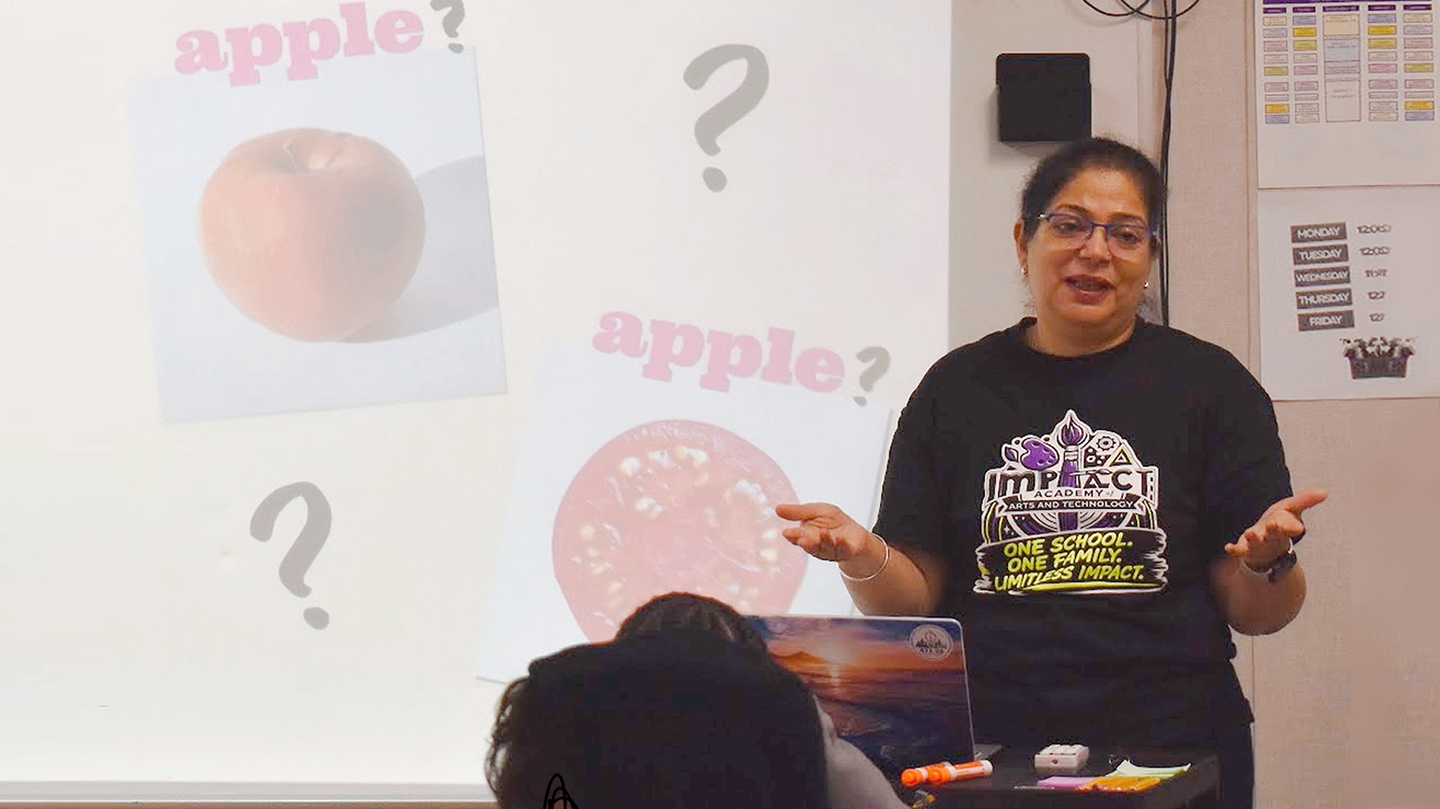
A crucial aspect of teaching in the current AI era is addressing student apprehensions. The teacher observed that direct exposure to AI technologies can alleviate fears surrounding these innovations. By demonstrating how AI mirrors human design, educators can guide students toward understanding the importance of critical thinking.
“AI only reflects our designs,” the teacher remarked, emphasizing that the true power lies in the ability to reason and question. This approach fosters a classroom environment where critical thinking is paramount, empowering students to harness technology constructively rather than being intimidated by it.
The Role of AI in Education
As educators strive to prepare their students for a rapidly changing world, integrating AI in the curriculum is not just beneficial but necessary. AI tools facilitate diverse learning experiences, ensuring that students develop not only technical skills but also the ability to engage thoughtfully with technology.
Platforms that allow teachers to explore multiple AI tools in one place enhance this process, promoting a more cohesive and organized workflow. By utilizing different AI models—from writing and research to creative design—educators can mold their lessons to meet the varying needs and interests of their students.
Looking Ahead
The integration of AI in education is still emerging, presenting both challenges and opportunities. As tools continue to advance, the focus will remain on nurturing critical thinking skills in students. This essential skill set will not only enhance their academic performance but also equip them with the reasoning capabilities vital for navigating an increasingly complex digital landscape.
As we adapt to these changes, it becomes clear that the true value of AI in education lies in its ability to complement human creativity and critical reasoning, ensuring that students thrive in the AI era.