

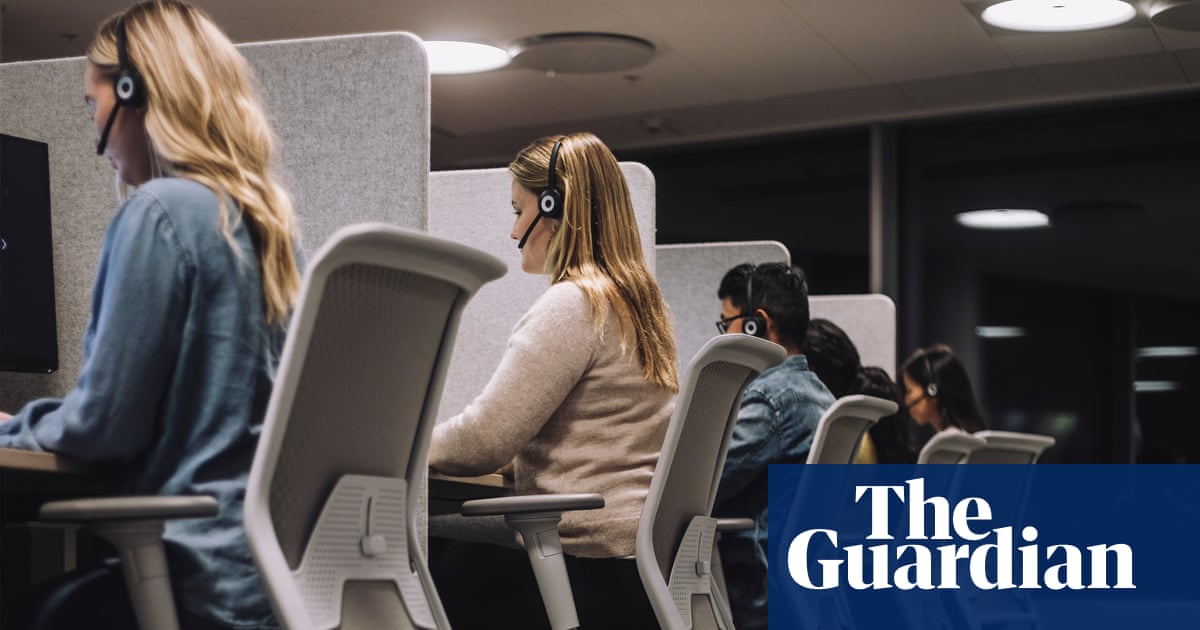

The Co-operative Group has recently adopted AI surveillance technologies to monitor its workforce, particularly at Co-op Legal Services, where an automated system evaluates customer phone calls. This new approach has sparked concerns, with critics labeling it as “oppressive” and “dystopian.”
Through advanced AI models, the Co-op records and analyzes interactions between staff and clients seeking guidance about probate, wills, and estates. The system, developed by OpenAI, reviews over 50 distinct elements of each conversation, generating pass/fail scores that managers utilize to assess employee performance. One employee disclosed that this technology subjects their work to scrutiny by AI for hours daily, particularly when assisting clients who may be recently bereaved.
This move comes on the heels of a report revealing that Multiverse, an AI training company led by Euan Blair, has begun monitoring online classrooms, which educators have described as “remorseless” and “unnerving.” While Multiverse defends its use of AI as a means to enhance learning experiences, experts express concern that increased AI oversight may lead to rising stress levels among workers.
One anonymous Co-op employee remarked, “You are being watched.” This individual stated that the AI creates a climate of distrust, marking a shift from occasional compliance monitoring to continuous observation of everything they say. Such pervasive oversight feels unsettling and reminiscent of dystopian scenarios, they noted.
In response to these criticisms, the Co-op, which encompasses supermarkets, funeral services, insurance, and legal divisions, claims not to recognize the negative feedback. The company asserts that their probate advisors are deeply engaged and that AI is a vital part of their quality assurance efforts, ensuring clients receive informed and empathetic guidance.
Implemented within recent months, the AI monitoring system applies to numerous legal services staff, partly aimed at enhancing sales performance. According to the Co-op, the AI acts purely as a support tool and does not dictate decisions, instead assisting managers in fostering improved client experiences.
Concerns regarding the rapid proliferation of AI monitoring in workplaces have drawn attention from trade unions. Earlier this year, Burger King in the U.S. announced plans to utilize AI to monitor interactions between restaurant workers and customers, while Meta paused its employee tracking initiatives due to privacy worries and staff backlash.
John Chadfield of the Communication Workers Union cautioned, “AI is marketed as a catch-all solution, yet scenarios like this demonstrate its potential to undermine sensible workplace practices and exacerbate employee stress.” He argued that unaccountable AI systems should not replace human management, as these employees deserve greater respect.
Hayfa Mohdzaini, a senior policy advisor at the Chartered Institute of Professional Development, observed, “The office environment increasingly resembles a factory, with structured performance feedback prevalent.” She noted varying reactions to this shift and expressed curiosity about how management will adapt over time.
This year, the International Labour Organization issued a warning about the “psychosocial” risks associated with AI monitoring, particularly the potential for heightened work-related stress.
The organization stated, “AI systems are entering workplaces without a comprehensive regulatory framework, making it challenging to prevent potential harm from their use.” Caoilionn Hurley, managing director of Co-op Life Services, emphasized the efficiency of AI compared to traditional methods, indicating that it allows for thorough reviews of customer interactions to uphold high service standards.
Hurley concluded, “Our goal is to combine expert support with empathy for every client during challenging times, and AI enables us to deliver this consistently, while human judgment and care remain central to our client relationships.”
Editor’s Take
This development is significant as it illustrates the growing trend of AI monitoring in workplaces, which poses ethical questions about privacy and employee autonomy. While companies aim for efficiency and improved service, the psychological effects on employees cannot be overlooked. Striking a balance between technological advancement and employee well-being is crucial for fostering a sustainable work environment in the era of AI.
Source: www.theguardian.com