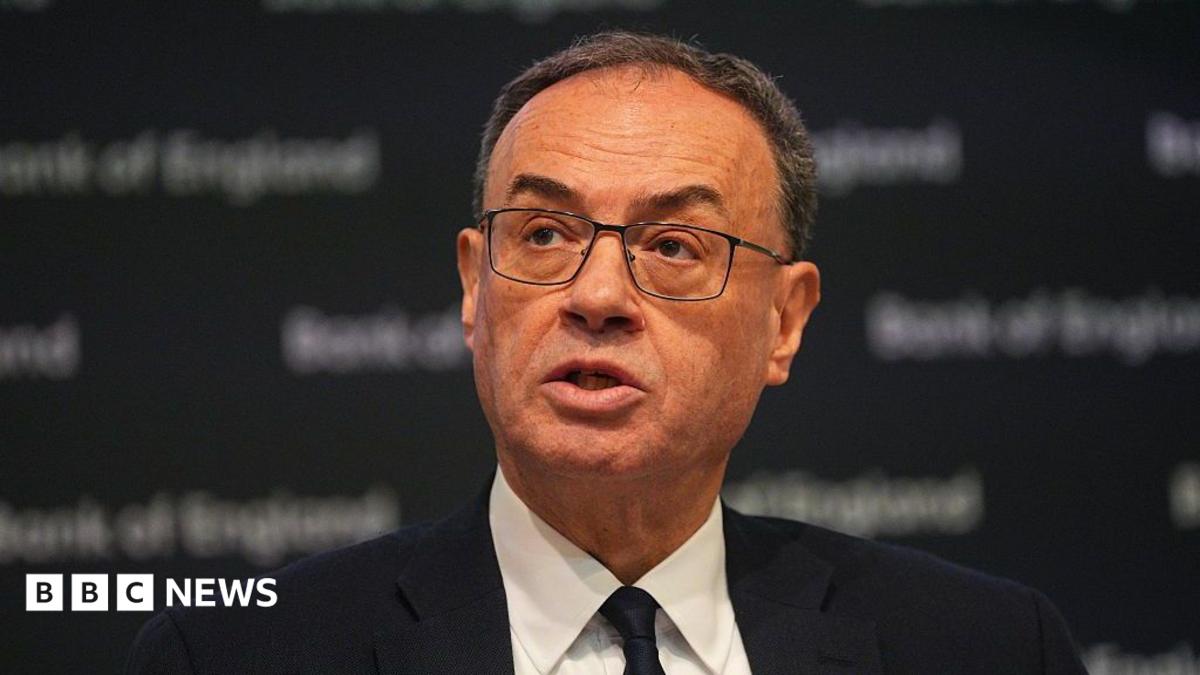

Andrew Bailey, the Governor of the Bank of England, has articulated his views on the regulation of artificial intelligence (AI), stating that initiating regulation may not be the optimal first approach. Instead, he advocates for “rigorous” testing aimed at uncovering vulnerabilities and establishing safeguards to mitigate risks associated with AI.
In his inaugural article for Substack, Bailey emphasized that the risks linked to AI are “real and increasingly significant.” He underscored that halting or banning AI development is not the solution; rather, he believes that the immense benefits of this technology should be harnessed. However, there is an urgent need for a framework that allows for interventions and defines operational boundaries for AI.
The discourse surrounding the rapid advancement of AI and its implications for humanity has gained momentum in recent weeks. Leaders from prominent AI companies, including Anthropic and OpenAI, have voiced support for a slowdown in AI development. They are advocating for an internationally coordinated strategy to evaluate risks and implement necessary safeguards.
Recently, OpenAI announced it would withhold the release of its latest AI model, citing safety concerns. This decision reflects a growing apprehension regarding the implications of advanced AI technologies.
In contrast, former President Donald Trump has dismissed the concept of slowing down AI progress. He believes that the United States must maintain its leadership in the AI landscape, especially in competition with China, declaring, “Whoever wins AI, wins.” During a meeting with executives from key technology firms—including OpenAI, Anthropic, Nvidia, SpaceX, Meta, and Google—Trump announced that these executives had agreed to a “morally binding” commitment designed to serve as a protective measure against the potential dangers associated with AI.
Editor’s Take
This discussion surrounding AI regulation highlights a pivotal moment in technology’s evolution. The imperative for rigorous testing and ethical frameworks is increasingly vital as AI becomes more embedded in everyday life. For businesses and developers, this clarion call for cautious advancement may require a reevaluation of strategies to ensure both innovation and safety, ultimately shaping the future of the AI industry.
Source: www.bbc.co.uk