
Amazon is embracing ambient computing as the next frontier in personal AI, moving away from conventional app usage.
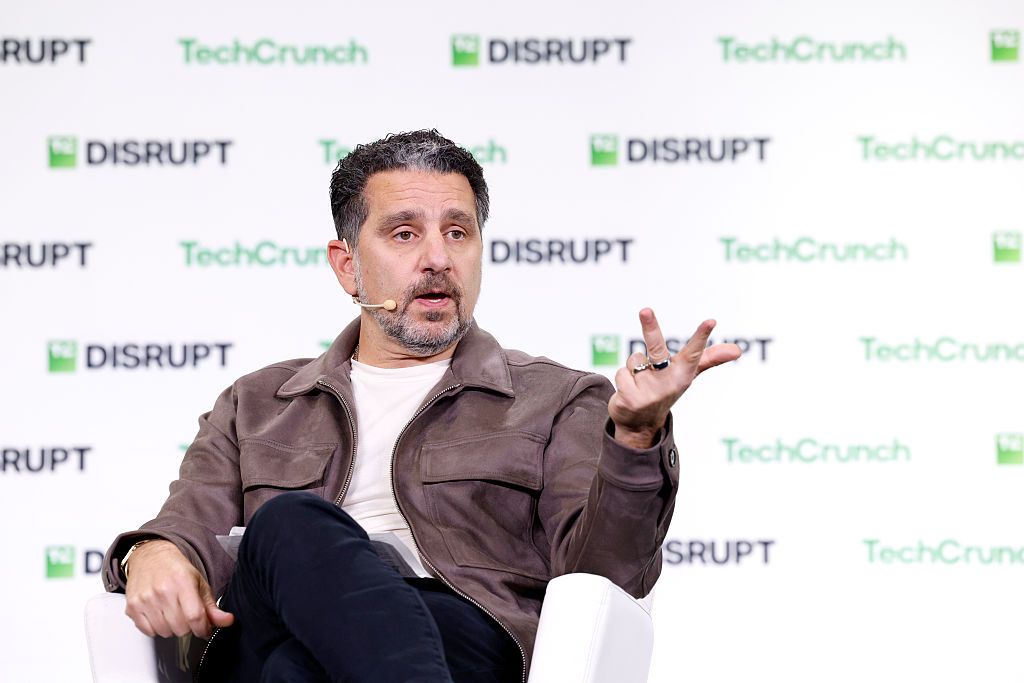
During the unveiling of Amazon’s latest AI wearables from its subsidiary, Bee, at the TechCrunch Disrupt event, Panos Panay, the company’s Senior Vice President of Devices, Alexa, and Leo, elaborated on the future direction of personal computing.
Panay emphasized that the current interaction model with smartphones — where users constantly navigate the device to fulfill their needs — is expected to evolve. He envisions a shift to a future dominated by “ambient devices” that seamlessly operate in the background, utilizing sensors and artificial intelligence to anticipate user requirements.
“Currently, our engagement often feels like a sequence of point, shoot, and return,” Panay remarked. “The vision is to create devices that operate ambiently.” These devices are designed to enhance user focus, enabling individuals to engage more fully with their surroundings while efficiently managing tasks and reminders.
Amazon’s new offerings include a **wearable wristband** that can convert into a pendant, and a **credit-card-sized** device that magnetically attaches to smartphones. These gadgets operate by recording audio and noting essential details throughout the day, ensuring users can refer back to reminders or insights when necessary.
In terms of user privacy, Bee’s devices are engineered to address concerns while maximizing efficiency. They process audio in real-time and delete the raw data immediately after use. The transcripts generated are protected through encryption, ensuring that only the user has access unless they choose to share their information.
Panay highlighted the significance of privacy as a central tenet in the design of these ambient devices. “It’s crucial to grant customers control,” he noted. “We prioritize privacy in every aspect, particularly with Bee.” His extensive experience, coming from a background at Microsoft where he led the development of Surface devices, informs his vision of the future where interactions with machines become more intuitive.
According to Panay, a forthcoming generation may abandon the traditional notion of going to apps for tasks, opting instead for devices that inherently understand their needs. “I truly believe this transformation is on the horizon,” he stated.
While acknowledging the ongoing relevance of smartphones as pivotal devices, Panay forecasted an emergence of smart gadgets equipped with advanced sensors. These devices aim to foster a more intelligent environment. “I don’t advocate for one technology replacing another. Rather, we seek an interconnected intelligence layer that enhances usability,” he concluded.
Editor’s Take
The shift to ambient computing represents a transformative step for both consumers and developers. For users, it promises a more intuitive interaction with technology, allowing them to engage with their world without the constant distraction of applications. For businesses and developers, this could indicate a need to innovate beyond traditional app ecosystems, paving the way for new forms of AI-driven engagement.
Source: techcrunch.com