


Last year, as Washington State prepared for its apple harvest, conditions were less than favorable. With temperatures soaring to 38°C, laborers faced unsafe working conditions, prompting early halts in the day’s activities. Joel Carter from Okanagan Specialty Fruits recalls, “We had to stop at 10 o’clock in the morning.”
Carter emphasizes the potential benefits of artificial intelligence (AI) models designed to predict optimal harvest dates by considering weather conditions. He explains, “It’s not just about knowing when the fruit is ripe; it’s crucial to know how long you have to pick it. That’s where these models really shine.”
Okanagan Specialty Fruits manages over 1,250 acres of apple orchards, focusing on producing sliced apple portions for hotels and schools. The company is investing in innovative technology to enhance productivity, including the genetic engineering of apples to prevent browning after they are cut.
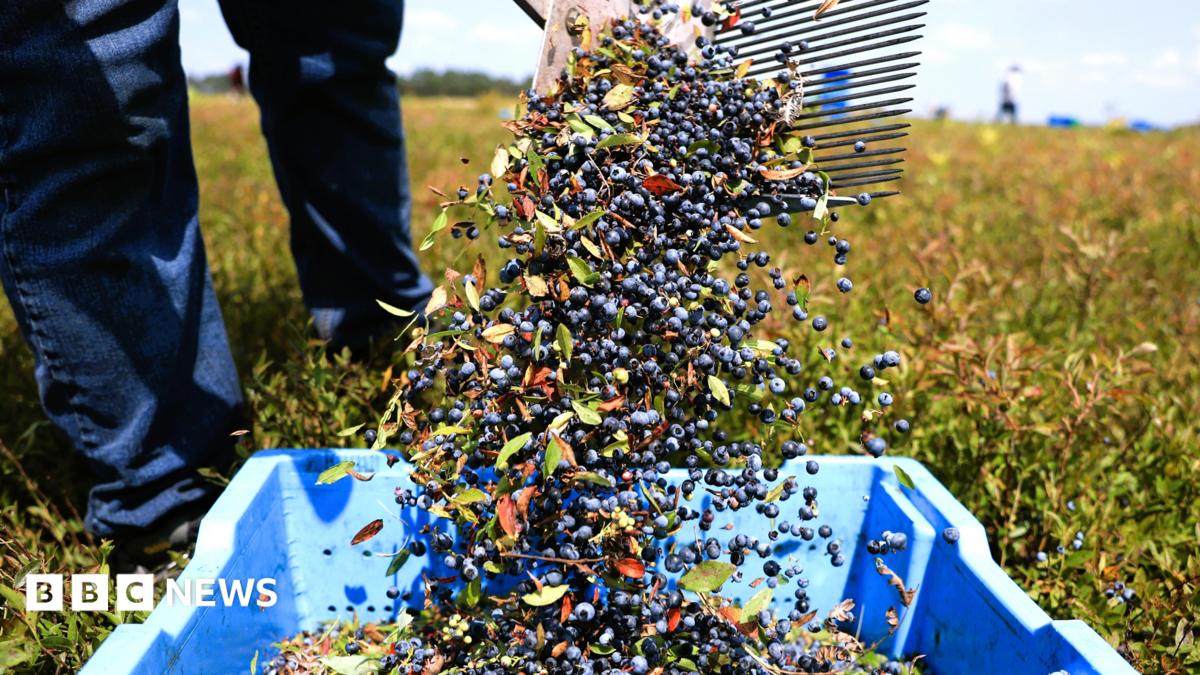
Harvest planning remains a complex task. Fortunately, new tools now exist that monitor and analyze fruit growth on trees or vines, enabling accurate predictions for crop ripening. This is particularly significant in the case of high-value fruits, such as strawberries and blueberries, where market prices can fluctuate dramatically. Misjudging the harvest date can lead to unnecessary seasonal worker bookings or missed profit opportunities.
Okanagan Specialty Fruits is currently trialing technology from Vivid Machines, a Canadian company specializing in fruit analysis. Mounted on tractors, their cameras capture images of apple trees, allowing AI to identify buds, flowers, and fruit as the tractor rolls past.
For apples, the harvest window is relatively forgiving, lasting up to three weeks. However, for quicker-ripening fruits like berries, the timeframe can shrink to just a few days. “If a strawberry crop is ready, you need to harvest it immediately, or the entire yield may spoil,” cautions Raymond Martin, co-founder and COO of FruitCast, a UK-based company that provides harvest forecasts.
Although experienced growers often have a good sense of when their fruit will be ready, Martin points out that this knowledge may not cover entire farms, which can span many acres and have varied growing environments. “We replicate what farmers do but on a scale they cannot manage,” he explains.
Using drone technology, smartphones, or cameras mounted on farm vehicles, the system assesses ripening fruit in real time. This year has presented numerous challenges, Martin notes, with extreme heat and drought affecting fruit plants across the UK. This stress has led many plants into thermal dormancy, hindering fruit production.
Editor’s Take
The integration of AI in agriculture, particularly for harvest predictions, is a significant advancement with far-reaching implications. By improving accuracy in crop management, this technology could enhance productivity and sustainability in farming. For businesses, these advancements mean better resource allocation and potentially higher profit margins. Developers focusing on agricultural technologies may find new opportunities in this evolving landscape.
Source: www.bbc.co.uk