
Across the United States, a growing concern surrounds the proposed construction of new AI data centers. While companies tout promises of job creation and economic development, public sentiment reveals significant apprehension. Many residents oppose the establishment of these centers due to worries about environmental impact and energy consumption.
For local activist Shawmar Pitts, these trepidations are deeply personal. A lifelong resident of the Grays Ferry neighborhood in Southwest Philadelphia, Pitts has witnessed firsthand the toll of industrialization. He grew up adjacent to what was once the largest oil refinery on the East Coast, which closed following a catastrophic explosion in 2019. The adverse health effects felt by his family and neighbors only became clear to Pitts after he engaged with the environmental justice group Philly Thrive in 2018.
“Reading the materials about the health risks associated with living near the refinery was eye-opening,” Pitts shared with TechCrunch. “It struck me how many people I knew were suffering from ailments on that list.” This experience ignited Pitts’ commitment to advocating for community health and environmental justice.

Now serving as the managing co-director of Philly Thrive, Pitts is at the forefront of the movement advocating for a moratorium on data center construction in Philadelphia. While no formal plans have been submitted, city officials have identified potential sites, including one in Grays Ferry.
The resistance against data center development is not confined to Philadelphia. Across the nation, communities are voicing their objections, especially in areas already burdened by industrial pollution. These groups highlight the legacy of health issues stemming from nearby industrial sites.
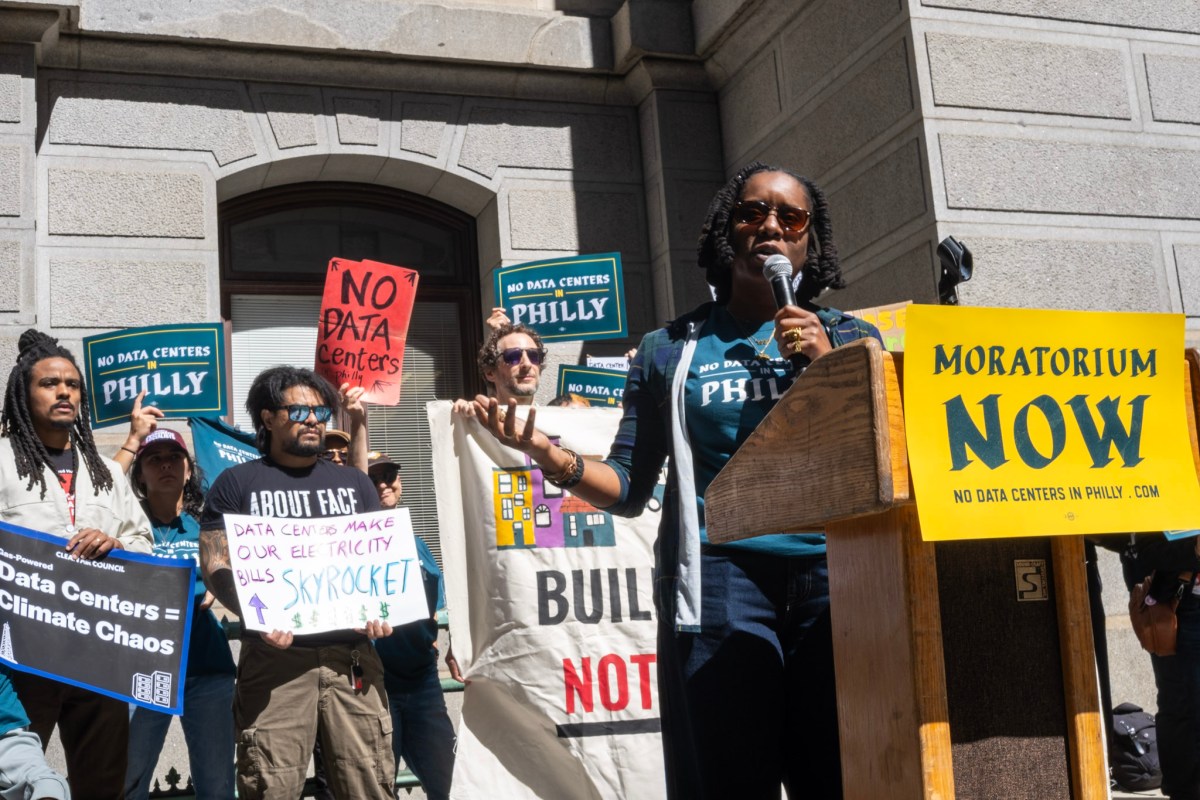
“We do not want data centers,” declared Sonya Sanders, president of the Philly Thrive board, during a rally outside City Hall. “We are against the pollution, the noise, and we know that these facilities won’t necessarily create more jobs for our community.”
Referencing her late husband, who succumbed to a rare bone cancer, Sanders expressed her belief that emissions from the refinery contributed to his illness. “In my eyes, pollution was the killer,” she asserted. “The relentless pursuit of profit led to his suffering.”

While a new data center might not create the same environmental hazards as the now-closed refinery, the potential for significant energy consumption raises alarms. Predictions from BloombergNEF indicate that U.S. data centers could use more natural gas than entire countries, underscoring a growing concern over energy demands.
Natural gas, though cleaner than oil, still emits substantial carbon dioxide—a crucial factor when considering the potential increase in greenhouse gas emissions attributed to new data center projects. Estimates suggest an extra million metric tons of emissions could be generated each day, contributing to already high U.S. greenhouse gas outputs.
Environmental advocates, like Annie Fox from the Clean Air Council, warn of the significant pollution that data centers may introduce, particularly given their reliance on diesel engines for emergencies. “This will only worsen climate change and lead to more extreme weather patterns,” Fox cautioned.

Communities seem to be making strides in getting their concerns recognized by local governments. In New York, Governor Kathy Hochul issued an executive order suspending the approval of permits for large data center projects. “Progress shouldn’t come at the expense of our communities,” she emphasized, asserting that construction should only proceed in areas that welcome such development.
Moratoriums on data center construction have also been enacted in various U.S. cities, including Denver, Indianapolis, and Asheville, allowing local officials time to assess the potential impacts of data centers thoroughly.

Concerns of pollution, data privacy, and resource allocation are prevalent among residents, as articulated by Philadelphia local Donna Greenberg. “These centers will impact our vital resources and may pose risks to our personal information,” she stated during the rally, echoing a sentiment shared by many in the community.
Over 100 participants gathered for the launch of the No Data Centers in Philly campaign, loudly advocating for a halt to further development until their voices are heard.
“Our community’s resistance and unity is inspiring,” Pitts remarked. “It demonstrates the power of collective action.”
Editor’s Take
The push against new data centers reflects broader societal concerns about environmental sustainability, community health, and resource distribution. As the AI industry expands, balancing technological advancement with the needs of local populations will be crucial. This movement may signal a shift toward greater accountability in urban planning and corporate responsibility, ensuring that advancements do not come at a perilous cost to communities.
Source: techcrunch.com