
A New Halloween Video Game Banned in Australia Over Illicit Content, Not Violence

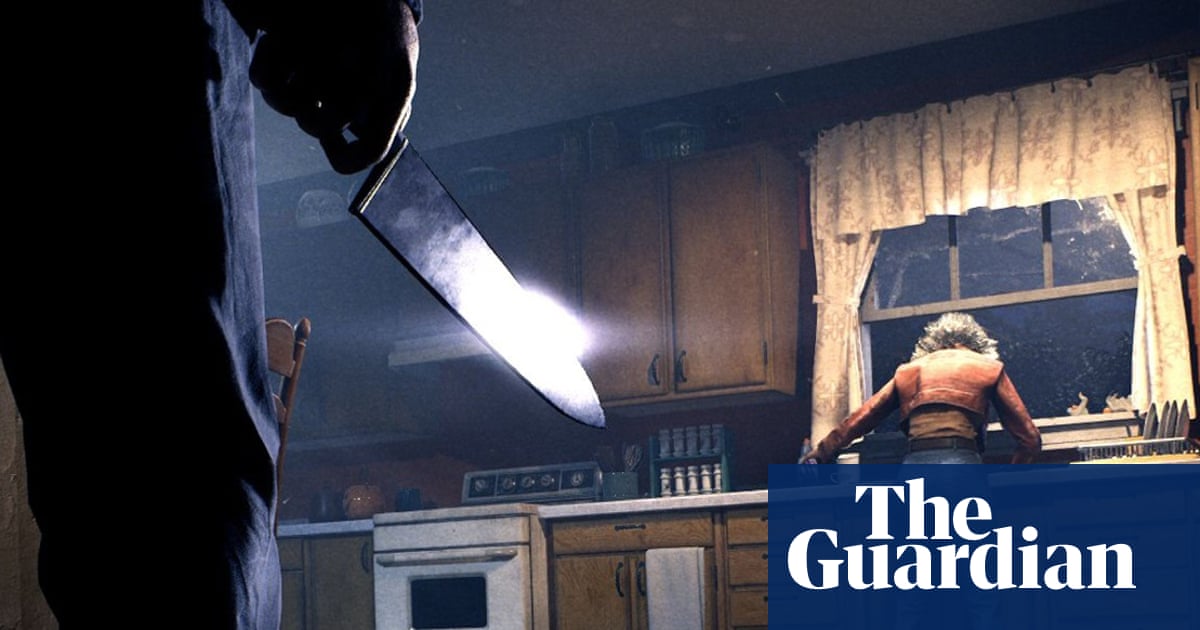
Michael Myers, the infamous character from the Halloween movie franchise, has long been a symbol of terror in horror cinema, known for his chilling and brutal killings. In an effort to capture this essence, Illfonic, a US-based video game developer, is set to launch Halloween: The Game. The game promises to feature graphic and intense gameplay scenarios, including gruesome actions like smashing an opponent’s head through a toilet seat or throwing them into a television screen.
However, Aussies will be unable to experience the horror firsthand, as the game has been officially refused classification by Australia’s Classification Board. This decision prohibits the game from being sold within the country, and contrary to what many might think, the reason is not only related to violence.
In a controversial gameplay element, players in Halloween: The Game can use marijuana as a strategy to reveal the location of Michael Myers and evade his deadly pursuit. The Australian Classification Board determined that this depiction of drug use provides a “gameplay advantage,” suggesting that it operates as a reward within the game’s mechanics. According to the 2023 Guidelines for the Classification of Computer Games, games are refused classification if they include the use of illicit drugs that offer incentives or rewards.
In a statement regarding their decision, the board remarked, “Halloween: The Game contains illicit drug use that is linked to an incentive or reward, in that use of the drug provides a gameplay advantage to the player. It is on this basis that the game has been refused classification, as required under the Code and Guidelines.”
The ruling has sparked outrage among Australian gamers, with Illfonic’s social media accounts inundated with complaints. The board noted that over 500 complaints regarding the game have been submitted, echoing broader frustrations about Australia’s gaming classification system relative to film and television.
“Can we stop pretending that the way we classify games in Australia, in 2026, is appropriate for adults? Because it’s not,”
Academic voices, such as Claire Henry from Flinders University, note that while the board followed its regulations correctly, the situation reveals a disconnect between community standards and classification guidelines. This interruption further rekindles a long-standing discussion on the impact of game classification versus film ratings.
Illfonic’s situation mirrors previous controversies, where high-profile games like State of Decay, Wasteland 3, and Saints Row IV faced similar bans due to incentivized drug use. Many of these titles were later reclassified after omitting contentious content.
Dan Golding, a media professor at Monash University, highlights two prevailing assumptions in the classification of games: firstly, that interactive content holds greater impact than passive viewing, and secondly, that games are primarily for children. These beliefs complicate the evaluation process for games intended for adult audiences.
Ron Curry, CEO of the Interactive Games & Entertainment Association (IGEA), has actively campaigned against these perspectives, helping to establish an R18+ classification for games in 2013. Yet, he argues that despite this progress, games are still subject to stricter scrutiny than other media.
With ongoing government reviews examining Australia’s classification guidelines, proposals have surfaced to streamline and harmonize standards across various media. Suggestions include introducing a PG13 rating and reconsidering the harsh judgement placed on video game interactivity.
In an official remark, a spokesperson from the Department of Infrastructure, Transport, Regional Development, Communications, Sport and the Arts stated, “The Australian Government is working to modernize the National Classification Scheme to ensure it remains aligned with community standards and helps Australians make informed decisions about what they read, watch, and play.”
While the outcome of these reviews remains uncertain, the anticipated release of Grand Theft Auto VI, known for its mature themes, could also face scrutiny under current regulations.
For advocates like Anderson, the solution is clear: adults should have the freedom to engage with media as they wish. “Respecting this fact is crucial,” she asserts.
Editor’s Take
The refusal of classification for Halloween: The Game serves as a critical reminder of the discrepancies within Australia’s gaming regulation system. As interactive media increasingly attracts mature audiences, the ongoing debate around classification must evolve. This could significantly influence developers and users alike, as the industry pushes towards more rational and consistent guidelines.
Source: www.theguardian.com