

Andy Burnham: UK Faces Decade of Losses Since Brexit Ahead of EU Leaders Meeting

In a significant statement today, Andy Burnham argued that the past decade since the Brexit referendum has seen Britain “lose more than it gained.” As he prepares for meetings with European leaders at an upcoming UK-EU summit, Burnham is advocating for strengthened ties with Brussels.
During the summit, the Prime Minister aims to negotiate a new agreement he believes will lower food prices and boost revenue for British exporters. He is expected to finalize new pacts regarding food trade, emissions trading, and youth mobility, asserting that such a “win-win” deal could enhance the UK’s GDP by as much as 0.4 percent.
However, his proposal has attracted criticism. Opponents warn that this renewed engagement with the EU could impose membership fees of £750 million weekly on the UK and necessitate compliance with a new EU regulation every twelve hours.
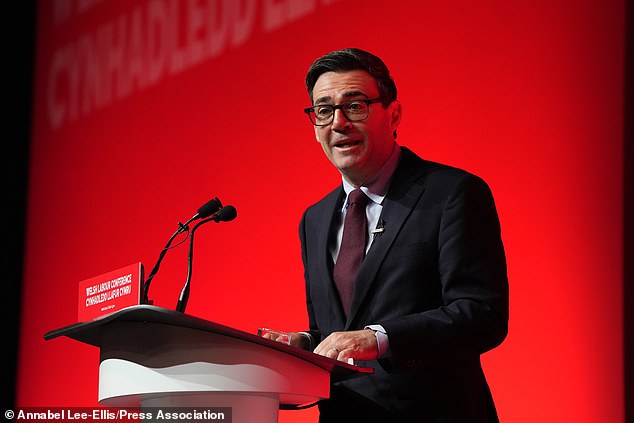
While addressing the Welsh Labour conference, Burnham stated, “We must be prepared to make tough choices to alleviate the cost of living.” He emphasized that his upcoming negotiations aim to facilitate Welsh businesses by reducing bureaucratic hurdles facing food exporters and ultimately lowering food prices.
“If we secure the right deal, we can bring costs down for businesses and fuel growth in the UK economy,” he asserted.
Burnham expressed his determination to address what he perceives as inadequacies in the current Brexit arrangement. He stated, “I believe the Conservatives delivered a tougher Brexit than what voters anticipated in 2016. We’ve burned bridges with the EU, and I am committed to leading efforts that benefit Welsh farmers and exporters.”
His remarks came in the wake of a campaign group asserting that the cost of potentially rejoining the EU could skyrocket to £750 million weekly. The group, called Stay Out, highlighted Brussels’ escalating budget and loss of special rebates previously secured by former Prime Minister Margaret Thatcher.
Deputy Conservative leader Alex Burghart criticized Burnham’s focus on UK-EU relations, claiming it distracts from pressing issues like rising welfare costs and defense funding. He insisted that Burnham’s proposals divert attention from the government’s ability to manage domestic priorities effectively.
Alongside these discussions, Burnham’s recent comments have sparked speculation about the possibility of the UK reestablishing ties with the EU or adopting its freedom of movement policies, though he maintains that any changes would ultimately need voter approval.
He reiterated his adherence to Labour’s manifesto principles, which rule out returning to the customs union, single market, or free movement, emphasizing the importance of respecting the referendum outcome.
The discourse surrounding Burnham’s intentions has intensified, particularly following a report by a parliamentary committee suggesting that catering to EU regulations could lead to an influx of new laws in the UK, potentially requiring the adoption of up to 780 new pieces of EU legislation annually.
Editor’s Take
This development highlights a critical inflection point in UK-EU relations post-Brexit. Burnham’s push for closer ties could signal a shift in the political landscape, potentially impacting businesses, exporters, and the overall economy. If successful, these negotiations may provide a pathway for greater economic collaboration and address pressing issues such as the cost of living.
Source: www.dailymail.com