

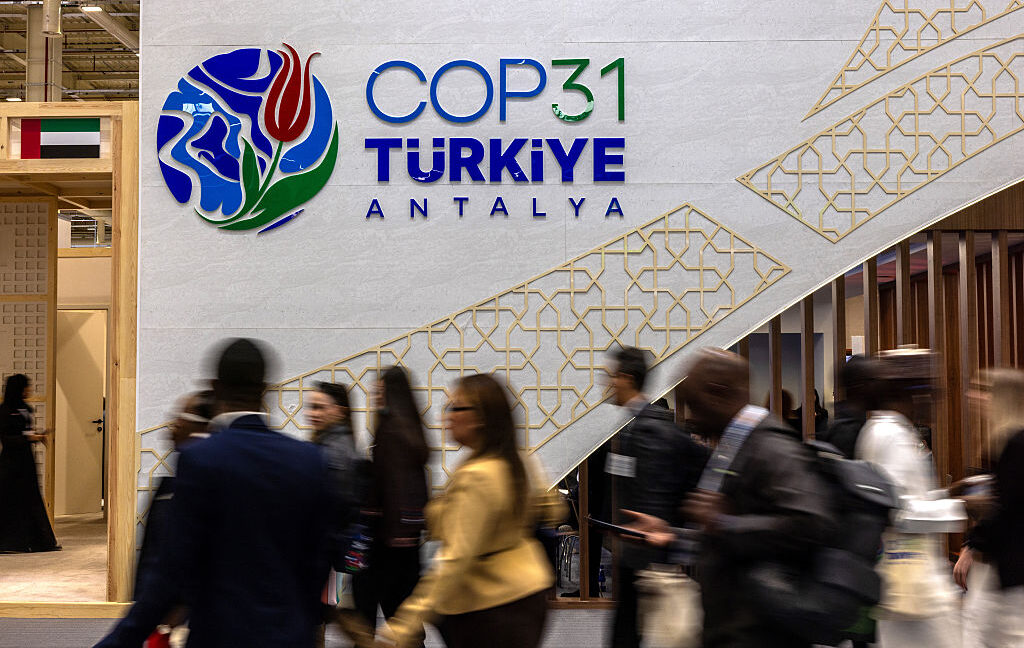

Climate Action Stagnates as COP31 Highlights Urgent Challenges
At COP31, the grim reality of climate action was clear, as leaders highlighted the failure of collective government efforts to combat climate change for the fifth consecutive year. Michael Heck emphasized this setback, stating, “Our message is a stark one.” He pointed out that aspirations to transition away from fossil fuels have been undermined by numerous new oil and gas drilling ventures, as governments continue to delay or dilute climate policies.
According to the latest climate assessments, even if current policies and promises are fully realized, global temperatures are projected to rise by 3.4 degrees Fahrenheit above preindustrial levels by the year 2100. This figure represents a level that climate scientists deem extremely dangerous.
While there have been advancements in renewable energy development, experts like Niklas Höhne from The New Climate Institute warn that these positive strides are insufficient to change the trajectory of climate change quickly enough. He likened the situation to realizing that dinner is burning and responding by turning up the heat rather than extinguishing the flames.
The negotiations at COP31 regarding global renewable energy goals have been particularly contentious. Co-hosts Turkey and Australia have opposed the inclusion of the term “clean” in discussions about electrification targets. Höhne expressed confusion over this stance, suggesting that it reflects their vested interests in fossil fuel industries.
In fact, Australia ranks among the world’s largest coal exporters, while Turkey significantly relies on coal for its energy needs. Despite their roles as hosts for this year’s climate talks, both countries have yet to present concrete plans for transitioning away from fossil fuels.
Bill Hare, CEO of Climate Analytics, criticized affluent nations for their lack of proactive climate leadership. He noted that during her address at COP31, Ursula von der Leyen, President of the European Commission, notably failed to emphasize any commitments to moving away from fossil fuels.
“Governments at this COP face a stark choice,” Hare stated, emphasizing that continued support for fossil fuels would lead to catastrophic economic consequences and irreversible loss for humanity and ecosystems alike.
Bob Berwyn is an experienced journalist based in Austria, having covered climate science and international climate policy for over ten years. His previous work includes reporting on environmental issues, endangered species, and public lands for various newspapers in Colorado.
This article originally appeared on Inside Climate News.
Editor’s Take
This situation underscores the urgent need for decisive action in combating climate change. As global temperatures continue to rise, the stakes grow higher for governments, businesses, and communities alike. The hesitation of leading nations to commit fully to transitioning away from fossil fuels reveals significant barriers to achieving meaningful climate goals. For developers and businesses, this could translate into increased scrutiny and pressure to adopt sustainable practices, impacting long-term strategies in energy and technology sectors.
Source: arstechnica.com