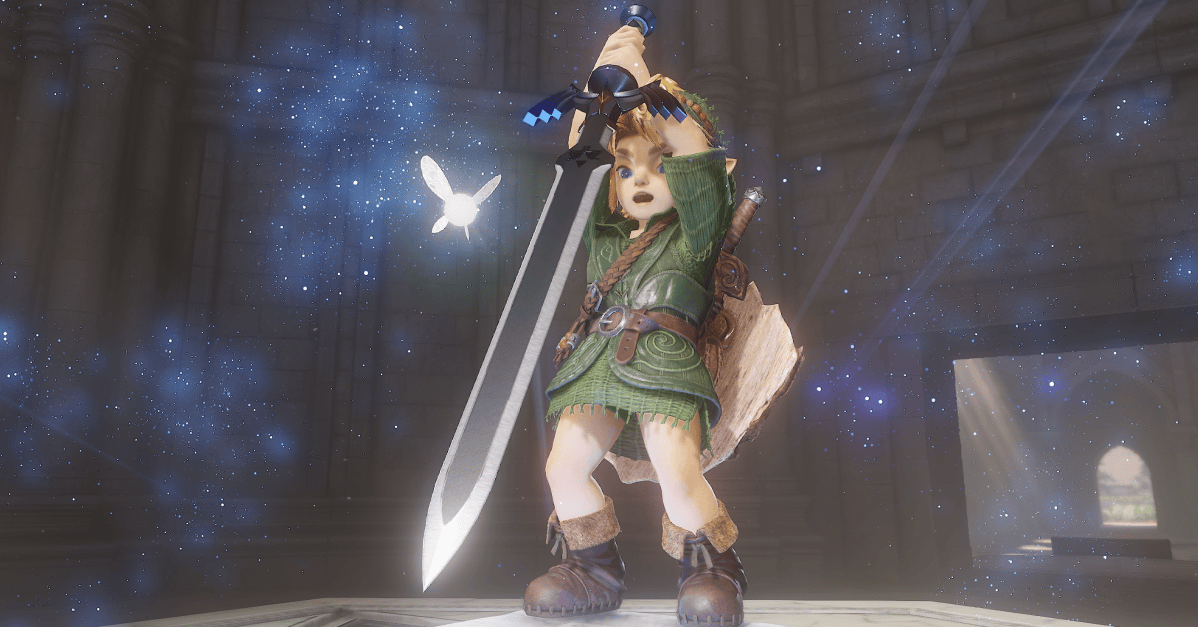

Modern Take on a Classic: The Ocarina of Time Remake for Switch 2
The highly anticipated Ocarina of Time remake for the Switch 2 successfully merges nostalgia with modern gaming sensibilities. Retaining the essence of the original Nintendo 64 experience, the game introduces stunning graphics and refined gameplay, making it feel relevant in today’s gaming landscape.
The remake was spearheaded by Eiji Aonuma, the long-time franchise director, and Hidemaro Fujibayashi, known for his work on Breath of the Wild and its sequel. Notably, the development team included many younger developers, some of whom had never experienced the original game. According to Fujibayashi, their fresh perspectives were invaluable, contributing significantly to the project.
“What struck me was their understanding of what aspects of the original should remain unchanged,” explained Fujibayashi. He emphasized that the newer team members approached the remake with a careful mindset, focusing on essential elements that would enhance elegance without cluttering the experience.
Since its initial release in 1998, much has evolved. Aonuma noted that production scales have drastically increased. “In the past, one person might design the backgrounds; now, the teams are larger and require more management,” he stated, highlighting the intricacies of modern game production.
Player perspectives have also changed. The original game had limitations, such as fixed camera controls and restricted jumping mechanics, which feel constraining compared to recent titles within the Zelda series that emphasize player freedom. The remake addresses these issues by providing full camera control and the ability to jump freely, bridging the gap between the classic and contemporary gameplay experiences.
Prominent improvements include overhauled graphics that blend realism with the franchise’s traditional fantasy elements, aiming to showcase details not possible in the original due to technical restrictions. Aonuma expressed excitement about finally achieving visual fidelity that enhances player immersion.
Not all aspects from the original were celebrated. The notorious Water Temple, often considered one of the game’s most challenging dungeons, has been modernized to improve navigation and ease of gameplay. Aonuma acknowledged that many players will appreciate the revamped dungeon, which eliminates frustrating camera issues and cumbersome menus.
Aonuma also took the opportunity to rectify elements that frustrated players in the original, particularly the character Navi, who has been toned down in the remake. The team aimed for a comfortable balance between guiding players and allowing them the freedom to explore and discover on their own.
This remake not only celebrates the Ocarina of Time but also marks a milestone in the Zelda franchise as it approaches its 40th anniversary. Aonuma sees value in maintaining traditional gameplay styles while also innovating, suggesting that the diversity of gameplay approaches has been key to the franchise’s enduring success.
“Working with younger staff allows us to bring in new ideas, enriching the project,” Aonuma said, expressing optimism for future developments in the Zelda series.
Editor’s Take
The release of the Ocarina of Time remake is significant in bridging generational gaps within the gaming community. It showcases how older titles can be revitalized for modern audiences without losing their core essence. For players, this means experiencing a beloved classic with enhanced accessibility and updated mechanics, ensuring its relevance for both veterans and newcomers.
Source: www.theverge.com