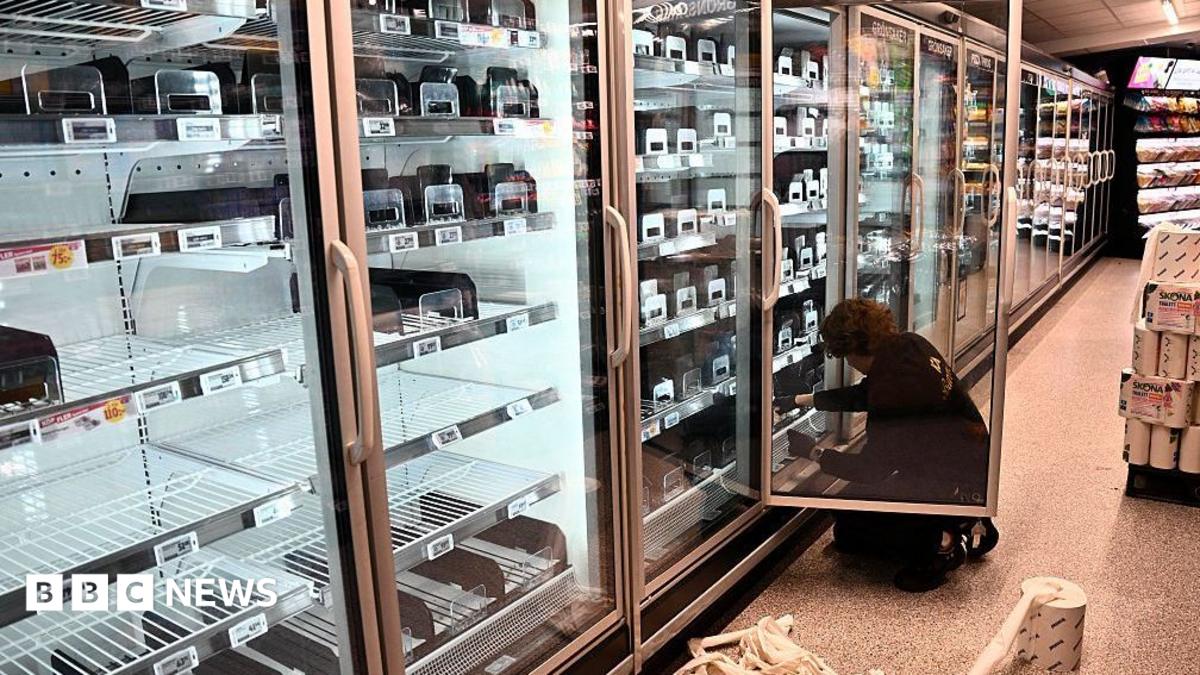

Businesses across the UK’s food supply chain are facing disruptions following a significant cyber-attack that impacted supermarket refrigeration systems throughout Europe on Monday.
The National Cyber Security Centre (NCSC) has reported several instances in the UK where vulnerable technology was exploited during the attack. Dr. Richard Horne, the NCSC’s chief executive, explained on BBC Radio Four’s Today programme that the centre had “worked through the night” to inform potentially affected organizations.
According to the British Association of Independent Meat Suppliers (AIMS), some of its over 300 member businesses have found themselves in an unexpected predicament, being termed as “collateral damage” from the hacks. AIMS noted that two members experienced a dangerous rise in refrigerator temperatures, while another reportedly saw their cold storage units escalate to 100°C (212°F).
Fortunately, AIMS spokesman Tony Goodger stated that the devices were empty during these incidents, so no food was lost. However, he urged all businesses within the food industry to remain vigilant. “This incident must serve as a reminder that anywhere in the supply chain, organizations can be perceived as potential targets,” he emphasized.
Reports emerged on Monday from supermarkets in countries such as Ireland, Sweden, Estonia, and Belgium, highlighting the rise in temperatures within their refrigeration units. These hacking events followed earlier attacks in October that targeted supermarkets and food suppliers in France.
During the overnight hack, hundreds of stores were affected, leading to thousands of euros in spoiled fresh and frozen food. Investigations revealed that the attackers exploited vulnerabilities in remote control systems used to manage refrigeration units, vulnerabilities that had been identified months earlier by cyber-security researchers.
In response to inquiries, Horne remarked that it is premature to determine the perpetrators behind the attacks. Nonetheless, he pointed to an urgent requirement for organizations to secure and update the foundational technology that supports many everyday applications and services.
“Our society’s technology infrastructure has not received the necessary investment,” Horne stated, highlighting that many companies continue to use outdated systems without proper upgrades or isolating them from the internet. Such neglect creates weak points widely regarded by cyber-experts as low-hanging fruit for hackers to exploit.
The NCSC chief highlighted a concerning trend: “These vulnerabilities can be identified and exploited with increasing speed and ease, especially with AI tools now accessible to adversaries.” He urged organizations to reevaluate their dependencies and invest in modernizing their systems, stating, “We can intervene where possible, but ultimately, responsibility lies with business leaders and managers to make informed choices.”
Editor’s Take
This cyber-attack underscores the vulnerabilities faced by the food supply chain and the urgent need for technological upgrades. As businesses increasingly rely on outdated systems, the risks not only threaten their operations but also consumer trust. The growing sophistication of cyber-attacks, particularly with AI in play, mandates immediate action from all sectors to enhance their cybersecurity measures.
Source: www.bbc.co.uk