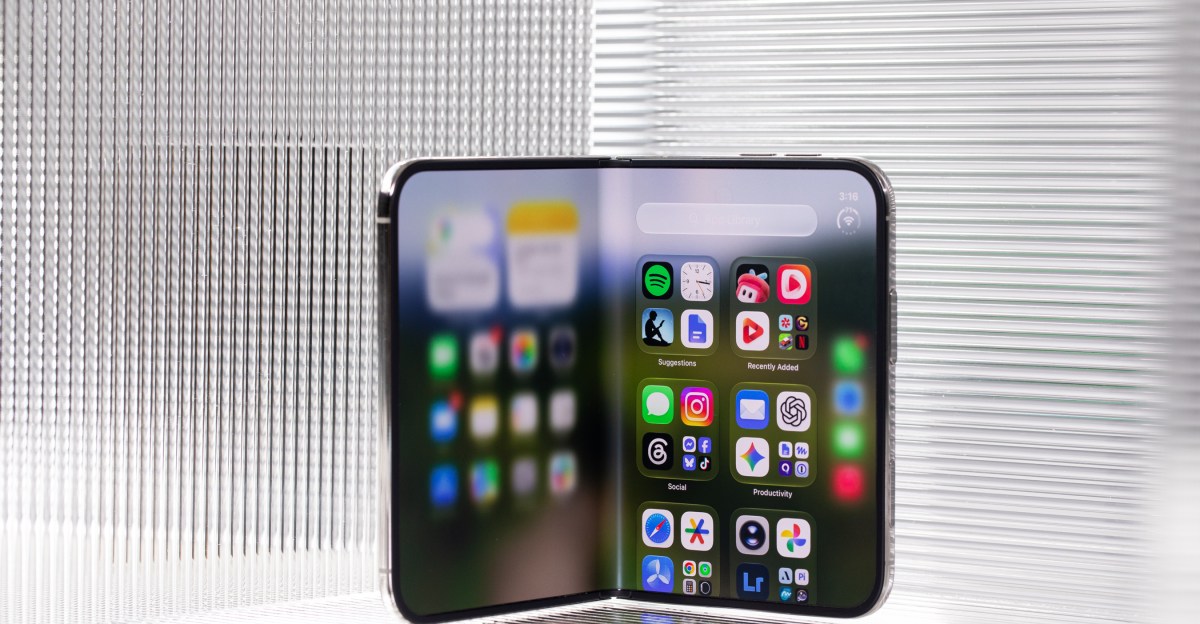

Apple’s CEO, John Ternus, has revealed that there is currently no set timeline for resolving the supply issues affecting the new iPhone Duo. In a recent interview with Reuters, Ternus noted that the company is intensively working to meet demand but cannot predict when supplies will stabilize. “We’re not able to predict when supply and demand will be in balance,” he stated.
The iPhone Duo, which debuted last month at a steep price of $1,999, features an outer display of 5.4 inches and a larger 7.6-inch inner screen. Despite the high price tag, preorders for the device quickly sold out, leading to expected shipment delays extending into 2027. In addition, a limited number of iPhone Duo models were made available for in-store purchase at launch.
Ternus also addressed concerns raised about cracked screens affecting a small number of the devices. He reassured customers that only a minimal percentage of iPhone Duos have been returned due to this issue, and Apple is replacing those units.
For several months, Apple has grappled with ongoing supply chain challenges and escalating memory costs. These factors have contributed to price increases across its product range, including higher starting prices for the iPhone 18 Pro and Pro Max. During Apple’s Q4 2026 earnings call, Ternus remarked, “What we’re seeing with memory pricing right now is unprecedented.” He also projected that memory costs will rise further during the upcoming December quarter, although recent price hikes have helped mitigate the impact.
Editor’s Take
This news about ongoing supply constraints highlights significant challenges within Apple‘s operational framework. For consumers, the uncertainty surrounding device availability adds frustration, while businesses reliant on Apple products may face disruptions. Moreover, these rising costs in memory could influence pricing strategies across the tech industry, prompting developers to reassess their approach to hardware and software optimization.
Source: www.theverge.com