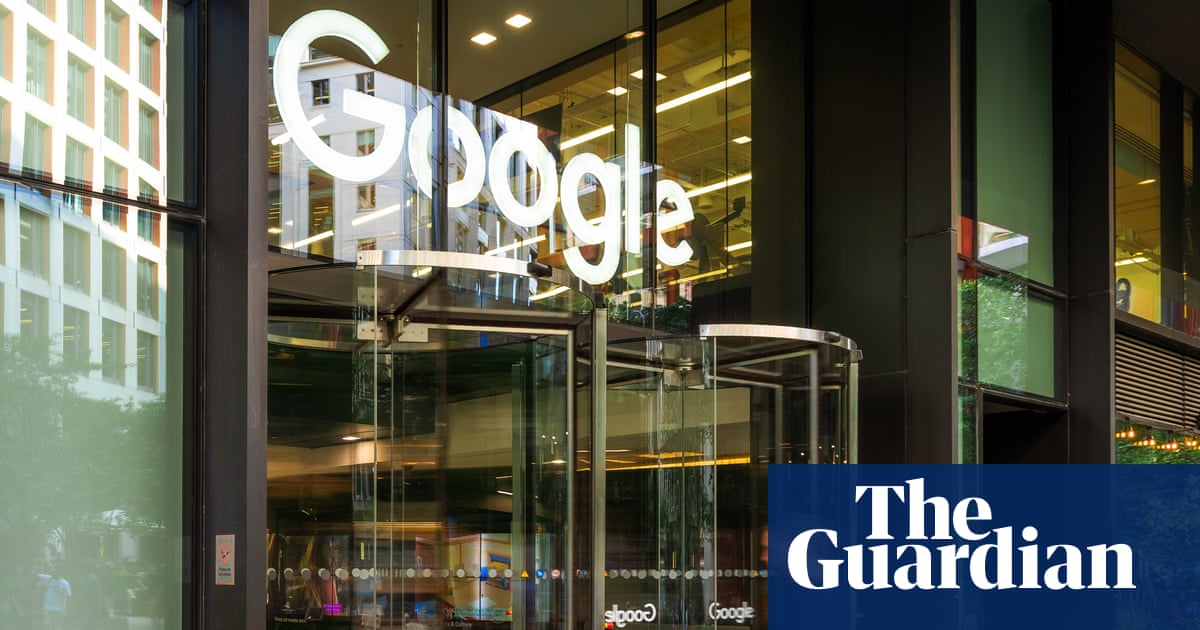
UK Employment Rights Overhaul Expands Union Access for Thousands of Google Workers

The landscape of labor relations within major technology firms in the UK is evolving, as new legislation grants trade unions improved access to workplaces. This shift comes on the heels of Google UK‘s recent agreement to enhance union engagement, announced on Monday.
The Prospect union has successfully negotiated terms that allow it to organize approximately 7,000 employees within Google‘s UK operations, including YouTube, but excluding DeepMind.
Google DeepMind, however, is anticipated to forge a separate agreement, with unions such as the Communication Workers Union and Unite aiming for recognition in that sector. This move follows a similar union agreement between Prospect and Meta, which encompasses platforms like Facebook, WhatsApp, and Instagram, serving around 5,000 employees in the UK.
These recent agreements will enable unions to communicate effectively with non-unionized staff and actively encourage their participation. Prospect, which represents over 160,000 workers across various industries, is now poised to conduct sessions within Google’s work environments, including its primary headquarters in King’s Cross, London.
Mike Clancy, the general secretary of Prospect, remarked, “We have been organizing tech workers for many years, and this access agreement emphasizes our capability to negotiate with even the largest global tech companies.” He stressed that workers in the tech sector should have a significant voice in matters that pertain to their work, from essential issues like pay and flexibility to broader topics such as AI deployment and workplace culture.
Expressing hope that this agreement would inspire other tech firms, Clancy stated, “A relationship with trade unions is becoming the new standard in the sector.” He believes that as more Google and Meta employees unionize, their collective strength will lead to improved outcomes.
Google clarified that it entered into this access agreement to align with the new UK workplace laws, while also highlighting its existing positive employee relations. A company spokesperson noted, “This initiative builds upon our established partnerships with employee representative groups, allowing us to meet new requirements while maintaining the respectful dialogue that defines our culture.”
Last week, Paul Nowak, general secretary of the TUC, indicated that a growing number of union recognition agreements in the private sector are expected in the forthcoming year, fueled by the “transformative” new regulations regarding workplace access.
The Employment Rights Act now grants unions the authority to visit workplaces to engage with staff or communicate digitally. Starting in January, employers will be mandated to inform their employees of their union membership rights.
Previously, unions attempting to gain recognition have often faced challenges organizing from outside the workplace, as demonstrated by the GMB’s unsuccessful attempt to secure recognition at an Amazon warehouse in Coventry two years ago.
Editor’s Take
The recent agreements between unions and major tech companies like Google signify a pivotal moment for labor relations in the industry. This development not only empowers workers but also sets a precedent for corporate practices surrounding unionization. As unions gain a foothold in tech, it could lead to a more balanced dialogue regarding worker rights and conditions, ultimately benefiting users, developers, and the broader AI landscape.
Source: www.theguardian.com