
Inflation in Australia has surged to a six-month high of 4.3%, creating significant pressure for the Reserve Bank of Australia (RBA) to consider another interest rate hike in their upcoming meeting during the Melbourne Cup Day. This represents an increase from 4% in August, marking the highest rate since March when inflation was at 4.6%.
According to Marc Jocum, a senior investment strategist at Global X, “This is an ugly number for the RBA, significantly strengthening the case for another rate hike next week.” Following the inflation data release, market predictions for a November rate hike soared from approximately 60% to around 80%.
If the RBA proceeds with the increase, the cash rate is set to climb from 4.60% to 4.85%. For borrowers with a $600,000 mortgage, this would mean an additional $92 to monthly repayments, adding to the approximately $364 increase experienced from earlier rate hikes this year.
With all five rate increases accounted for, homeowners could face monthly repayments that are about $456 higher, translating to an extra $5,472 annually.
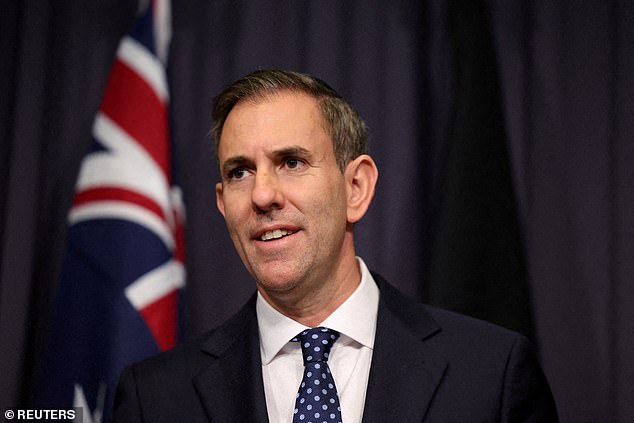
Treasurer Jim Chalmers pointed to the ongoing conflict in the Middle East and the resulting rise in oil prices as contributing factors exacerbating Australia’s inflation issues. He stated, “We already had an inflation challenge in our economy, and the war in the Middle East is making it worse.”
Highlighting the global nature of inflation, he emphasized that the rise in oil prices is impacting inflation rates worldwide. Chalmers remarked, “Today’s figures confirm that we are not immune from that,” urging for a resolution to the conflict.
Peter van Onselen, the Political and Economics Editor at Daily Mail, suggested that the government should consider spending cuts to help mitigate inflation. He stated, “While Jim Chalmers points to international factors driving inflation, that makes domestic spending restraint even more urgent.” Van Onselen argued that without fiscal discipline, the burden falls on individuals with mortgages and businesses affected by higher interest rates.
He also advocated for a targeted austerity approach, highlighting that higher interest rates are a blunt solution that adversely affects households and jeopardizes job stability.
The latest inflation data also contradicts the Albanese government’s previous assertions that they were over the worst of the economic challenges. Chalmers had previously declared in January 2025 that Australia had made significant progress after inflation dipped to a near four-year low of 2.4%.
Recent figures reveal a noticeable surge in prices across various essential categories, leading to increased strain on household budgets. For instance, petrol prices rose 9.4% in September alone, following a 14.8% hike in August. This marks an increase of nearly 24% compared to last year.
The transport sector recorded the most substantial annual increase, with a rise of 8.7% through September, followed by housing at 5.2%. Other categories including education costs (up 4.7%), recreation and culture (up 4.5%), and alcohol and tobacco (up 4.3%) also saw significant hikes.
Shadow Treasurer Tim Wilson emphasized that government spending has substantially contributed to heightened core inflation, suggesting that without curtailing spending, Australians would continue facing increased costs in both housing and groceries.
Editor’s Take
The rising inflation in Australia underscores the precarious balance the RBA must maintain between stimulating the economy and controlling price rises. For users, this means potential financial strain with increased mortgage costs. Businesses could also feel the impact with higher borrowing costs, affecting investment and growth. The need for government fiscal restraint is becoming increasingly urgent to prevent further economic challenges.
Source: www.dailymail.com