Mother Faces Police Questioning Over Daughter’s Selfie; Struggles with Legal Costs

Stepping into the warm sun of Plymouth following a meeting with my solicitor, I felt a mix of anticipation and anxiety. My solicitor had reassured me that I would hear from the police soon regarding an investigation that had commenced after I posted certain messages on social media.
It was September 2025, and I had just undergone an interview under caution with two police officers. From the outset of this situation, I recognized the seriousness of the police inquiry and promptly enlisted one of the premier local criminal defense firms to represent me. This firm is known for handling various cases, from drug importation to less conventional charges like controversial online posts.
With all necessary actions taken on my part, I found myself in a waiting game, unsure of what would come next. Little did I know, it would take another 13 months before I received any information regarding the investigation—news I discovered by chance.
Last September, I wrote for the Daily Mail about an ongoing investigation for harassment stemming from four tweets I had posted. The first tweet simply reported the facts: a former police officer had been charged with stalking and harassment. My goal as a journalist is to share relevant police news, inviting followers to reach out with their own stories that I can then pitch to media outlets.
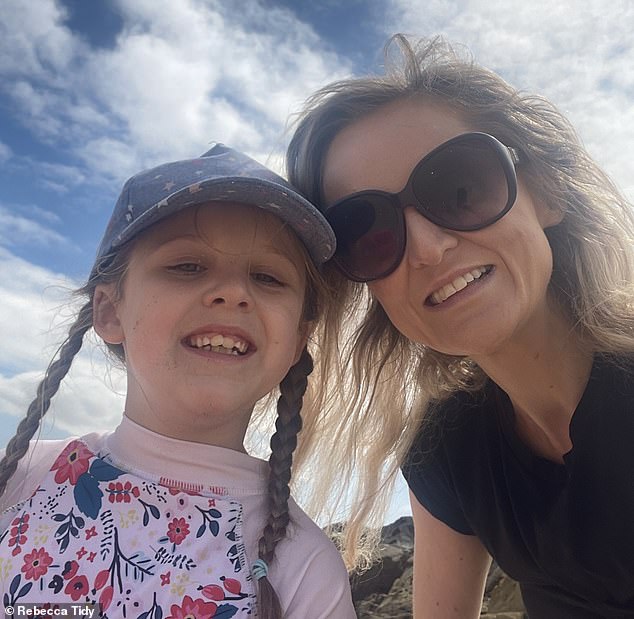
The second tweet was equally benign, merely a quotation from a local article covering the arrest of the former officer. In another interaction on social media, I casually referred to the individual by initials and commented on his bail status, which became the third item in the prosecution’s evidence against me. Finally, the last piece of evidence cited was a harmless beach selfie with my daughter, taken on a popular Cornish beach, completely devoid of any mention of the complainant.
This individual, claiming to feel “fearful and distressed,” had lived nearby, prompting the powers at the police to initiate a formal investigation.
When notified that failing to attend a voluntary interview would lead to my arrest, I traveled over two hours to meet with the officers. During the questioning, I remained largely silent while the police probed into my tweets and a harmless outing at the beach with my child.
One might assume the police could promptly review such a straightforward case involving social media posts. To facilitate their process, I even provided a written statement. Yet, days turned into weeks and weeks into months without any updates.
For 13 months, I lived under the weight of this ongoing investigation—anxiety hanging over me like a dark cloud. I could only guess how mundane my case was to the officers involved, likely just another entry in a long list of cases.
Despite my solicitor routinely requesting updates every 28 days, none were provided. For the police, a month without feedback was inconsequential, but for me, the uncertainty had tangible repercussions on my life.
This prolonged ambiguity affected my financial decisions, work commitments, and most importantly, the time I could dedicate to my daughter’s education and well-being. I was acutely aware of the dire consequences a harassment conviction could carry, especially as a single mother. If my income vanished, there would be no safety net.
To prepare for potential legal fees, I began saving diligently. Several local solicitors quoted hourly rates ranging from £350 to £650 for preparation. To put this in perspective, saving £1,000 monthly would grant me only about two hours of legal assistance, while even a simple trial could exceed £10,000 in costs.
As I trimmed non-essential expenses—canceling my monthly prescriptions and beauty treatments and switching to budget groceries—my daughter also felt the pinch. New clothes for her came from thrift shops rather than retail. Our usual summer trip was forfeited.
I found myself overly cautious, even delaying necessary repairs at home out of fear that each expense could lead to regret should charges materialize. Looking back now, the absurdity of it all is apparent, yet the police had insisted I was under suspicion, and I took that seriously.
Eventually, an unexpected email arrived from Devon and Cornwall Police. After 18 months of waiting for a response to a records request, I learned that they had decided not to pursue any charges against me a mere two weeks after my interview. They hadn’t even submitted the case file to the Crown Prosecution Service for consideration.
Their own records indicated an intent to update me, yet that communication never occurred.
Rather than feeling relieved, I was left enraged. An investigation over a few social media posts should never have commenced in the first place. Even more frustrating was the casual wording of their response—it shouldn’t require an exhaustive effort to keep a suspect informed.
This experience is not isolated; historically, Devon and Cornwall Police have faced scrutiny for such inefficiencies. Recently, they were downgraded due to insufficient investigation management, particularly concerning sexual offenses and child safety matters.
Many individuals could still be waiting for updates on cases that have already been resolved, unaware that their situations are no longer in limbo.
Throughout this ordeal, I did everything asked of me. I hired a solicitor, traveled to the interview, provided statements, and sought out updates. I aimed to protect my daughter from the stress of the investigation, handling the situation responsibly and ensuring I created a financial buffer for potential legal battles.
However, the emotional impact of being left in the dark long after the investigation concluded could not be shielded from her. Communicating case outcomes should be fundamental to police responsibilities, and lapses in this duty can adversely affect families.
In this case, I upheld my end of the bargain, but Devon and Cornwall Police failed to fulfill theirs, resulting in prolonged distress for my family and me.
Devon and Cornwall Police have been contacted for commentary.
Editor’s Take
This case highlights significant shortcomings in police communications and procedural efficiency, which can have severe ramifications for individuals involved. The impact on family life and mental well-being is profound, noting how essential timely updates are in criminal investigations. Continued scrutiny may be necessary to ensure that necessary reforms are enacted to protect citizens’ rights and autonomy.
Source: www.dailymail.com