
Australia Urged to Enhance Workplace Privacy Amid Rising AI Surveillance of Employees

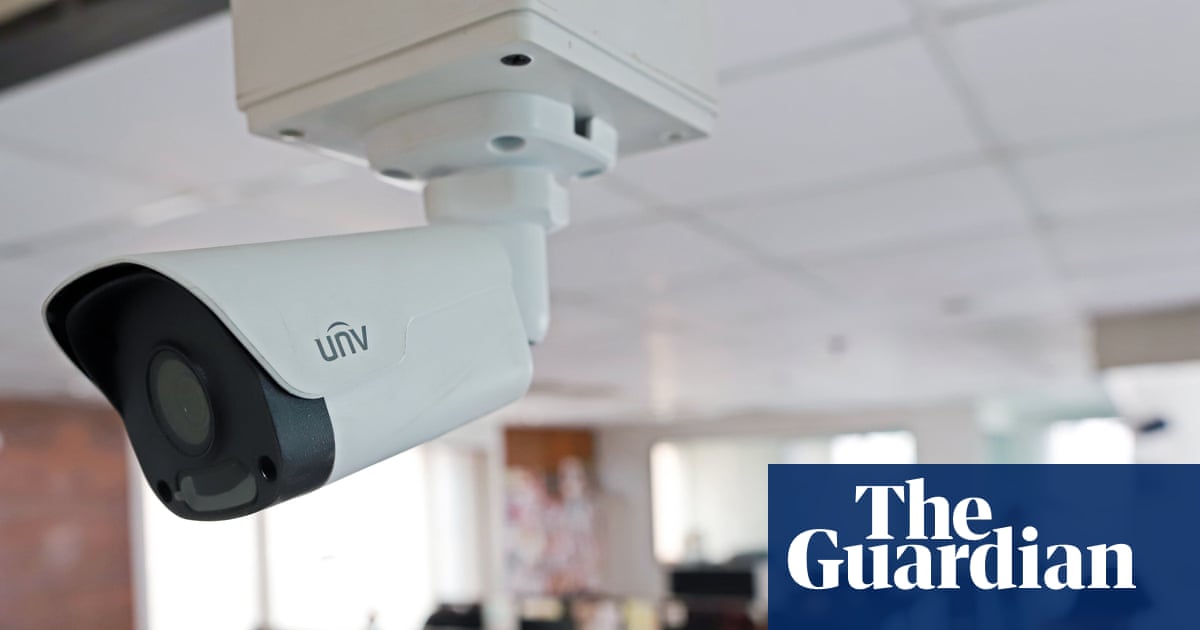
Recent warnings from the Human Technology Institute highlight a growing trend among employers utilizing advanced surveillance technology to monitor employees. Tools such as CCTV and keystroke logging are becoming increasingly prevalent in various workplaces, with the rapid adoption of artificial intelligence (AI) further accelerating this practice.
In a report published on Tuesday by the University of Technology Sydney, it was revealed that monitoring tools are frequently implemented across industries, ranging from fast-food outlets to retail environments, sometimes without employees’ knowledge. Specific instances include a fast-food chain employing surveillance cameras to prevent staff from using their phones, and AI systems flagging cashiers for errors, such as one employee who received a warning for committing a mistake approximately once per 533 transactions.
The report also pointed out that platforms like Microsoft Teams have introduced updates that automatically indicate a worker’s location as being in the office whenever they connect to the workplace WiFi. This feature raises additional concerns among employees regarding constant tracking.
Consultations with the institute revealed that at a major fast-food chain, young workers expressed worries about the potential surveillance in changing rooms, limiting their use of these spaces to avoid being monitored. This fear of constant observation has created an uncomfortable environment for many employees.
The Shop, Distributive and Allied Employees Association noted in its submission to a parliamentary inquiry that one cashier at a large supermarket received a final warning due to the AI monitoring system identifying too many mistakes, quantifying her error rate at just 0.18%.
Given the existing exemptions in the Privacy Act that apply to employee records, the Human Technology Institute is urging the federal government to enhance privacy protections in workplace legislation. A poll commissioned by Minderoo in March 2026 indicated that although 43% of Australians were aware that some employers utilized monitoring technologies, only 9% recognized such practices in their own workplaces.
According to Professor Edward Santow, co-director of the Human Technology Institute, transparency regarding workplace surveillance is crucial, but not sufficient on its own. He advocated for a thorough revision of the Fair Work Act to establish guidelines for the appropriateness of workplace monitoring.
Moreover, the report suggests that the Minister for Workplace Relations should have the authority to prohibit specific surveillance technologies that pose significant risks to worker rights, especially with the rise of tools like smart glasses, which can facilitate covert monitoring.
The Human Technology Institute is set to present its findings to a joint parliamentary committee focusing on AI in the workforce. Various stakeholders, including unions and representatives from tech companies and regulatory bodies, will participate in this week’s discussions, emphasizing that surveillance in the workplace is an issue of growing concern.
Labor senator Tony Sheldon expressed that the findings from the report raise urgent issues regarding employee privacy, the health of workers, and the overall dignity of the workforce, highlighting that many employees remain unaware of the extent to which they are being monitored.
Editor’s Take
This development underscores the need for a critical examination of workplace surveillance practices. As monitoring becomes more commonplace with advancing technology, employees’ rights and privacy are at stake. Businesses must re-evaluate how they implement these systems to maintain not only legal compliance but also a trusting workplace culture. Moreover, the dialogue initiated by this report could be pivotal in shaping future regulations in the AI landscape, ensuring a balance between operational efficiency and respect for worker dignity.
Source: www.theguardian.com