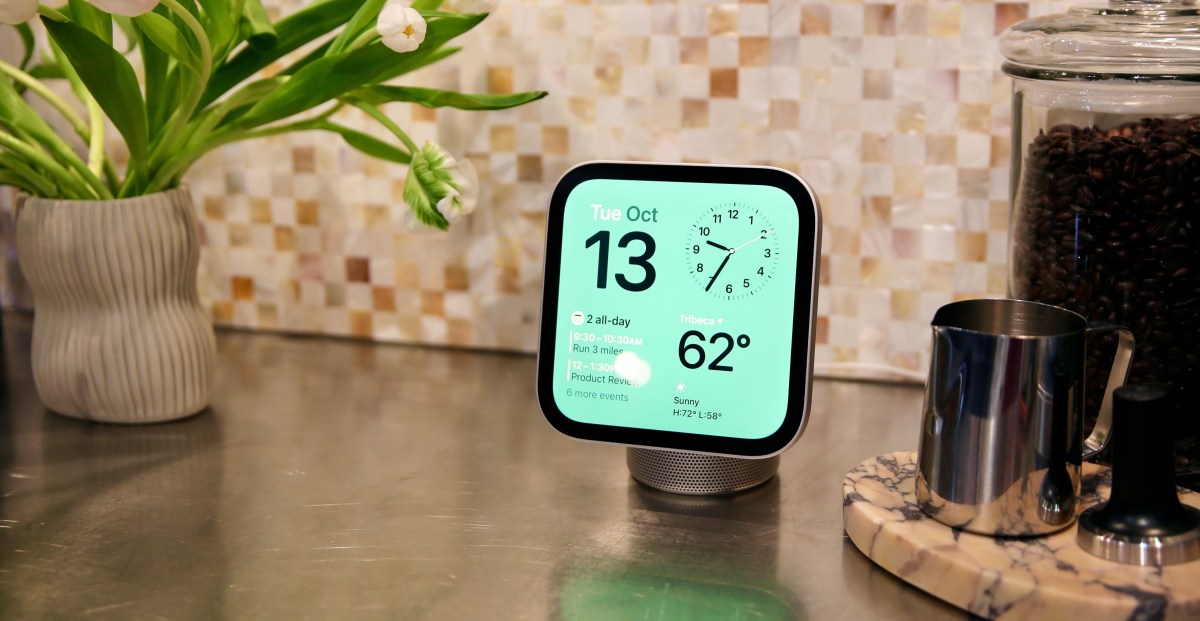

Apple Unveils HomeView: A Game Changer for Smart Home Interfaces
Apple has announced its first smart display device, the HomeView, which is designed to serve as an always-on household interface for families. Set at a price point of $299, the HomeView resembles a large, flattened version of the HomePod Mini, combining aesthetic appeal with functionality. While it may not be a dream device for every tech enthusiast, its introduction signifies a significant step in enhancing user experience within the Apple ecosystem.
Initial reactions have been mixed, with some questioning the necessity of HomeView when similar functions can be performed on an iPhone or iPad. It is true that many of the HomeView’s features replicate tasks already achievable on personal devices. However, its unique selling point lies in its consistent availability. The HomeView is always powered on, always unlocked, and always stationed in a central location, making it readily accessible for users.
The experience of controlling smart home devices using an iPad has often left much to be desired. For many, it has proven cumbersome, which is where HomeView could excel. With its focus on family collaboration and multi-user capability, it promises a more intuitive solution for managing smart home environments.
Unlike most iPads, the HomeView is specifically tailored for a fixed position in the home, negating issues related to mobility, such as battery life and potential misplacement. Designed as a community device, it facilitates the easy control of smart home functions, such as adjusting the thermostat, without the complications of user accounts. This simplicity is expected to resonate with households that prefer an effortless approach to technology.
The HomeView also enters a competitive market, where devices like the Echo Show and Google Nest Hub have established user bases. Its arrival indicates Apple’s intention to capture the attention of families seeking an alternative to personal devices cluttering their home spaces.
From the HomeView’s capability as a video call device to its advanced scheduling and home management features, Apple is targeting tech-savvy families that require seamless connectivity. This shift is reflective of Apple’s commitment to convenience and accessibility, as highlighted by their recent marketing showcasing HomeView’s ability to ring calls even if a phone is silent or dead.
Experts suggest that the timing of HomeView’s launch aligns with advancements in Siri’s AI, enhancing its interactive capabilities. Apple believes that this improved technology allows users to engage naturally with their devices, ideally suiting a diverse demographic ranging from young adults to the elderly.
While purely functional smart displays may only appeal to hardcore automation fans, HomeView is positioned as a user-friendly interface that could finally engage family members who are less inclined to embrace technology. Apple’s approach may bring the home automation experience to a wider audience, ultimately making it more user-friendly for everyday tasks.
Editor’s Take
This development marks a pivotal moment for Apple in the smart home market. With consumers increasingly seeking intuitive solutions, the HomeView aims to simplify interactions within Apple’s ecosystem. It has the potential to enhance family connectivity and control amid the growing array of connected devices, thus reinforcing Apple’s stronghold in the tech landscape.
Source: www.theverge.com